
How to Swiftly Open and Close Positions on WEEX:A Step-by-Step Guide

 Prefer us on Google
WEEX offers a dynamic feature that allows traders to rapidly open and close positions at market price. Whether you’re a seasoned trader or a beginner, this tool helps you respond to market shifts quickly and trade efficiently. This guide outlines the steps to open and close positions seamlessly on WEEX.
What Does Opening and Closing Positions Mean?
Opening or closing a position at market price on WEEX means the system instantly places an order at the most favorable price available. This ensures your order is executed as quickly as possible, aligning with current market conditions.
Steps to Open and Close Positions
Set the Quantity
Begin by determining the quantity, or number of contracts, for your position. This defines how much you want to buy or sell at market price.
Execute Your Order
After setting the quantity, place your order at market price. The system will automatically select the best available price, allowing you to enter or exit the market without delay.
Trailing Mechanism for Unfilled Orders
If your order isn’t fully executed immediately, WEEX employs a trailing mechanism. The system will keep trying to fill the order by adjusting it to a more executable price at regular intervals.
Order Termination After Repeated Attempts
If the order remains unfilled after multiple tries, the system will cancel it. This prevents partially executed positions, keeping your trading process smooth.
Key Information to Understand
Multiple Transaction Records
When opening or closing positions at market price, your transaction history may show multiple entries at varying prices. This occurs if the system fills your order in parts, each at a slightly different price.
Unexecuted Orders
Sometimes, an order may not be fully completed after several attempts. In such cases, the system terminates the transaction to avoid leaving you with an incomplete position.
Liquidation Safeguards
If the reasonable mark price hits your position’s estimated liquidation price, the system prioritizes liquidation. A liquidation bot activates first to manage your position securely and efficiently.
Why Quick Positioning Matters
In fast-moving markets, swiftly opening and closing positions can be transformative. Using WEEX’s market price feature, you can:
Seize Market Opportunities: Act instantly when you identify a trading chance or need to limit losses.
Streamline Execution: Save time by avoiding delays and capitalizing on market moments.
Minimize Slippage: Rapid trades in volatile conditions help secure better prices and reduce slippage.
Conclusion
WEEX’s ability to quickly open and close positions at market price is a vital tool for traders. By following these steps, you can execute trades efficiently and stay responsive to market changes. If an order isn’t fully filled, the trailing mechanism retries it, ensuring you don’t miss out.
Stay ahead with WEEX’s fast and efficient trading capabilities at your fingertips.
For more insights and updates, visit the WEEX platform for the latest features and news!
This content is provided for general informational purposes only and doesn't constitute financial, investment, legal, or tax advice. Any events, rewards, online promotions, or related information mentioned herein should not be considered a recommendation, solicitation, or invitation to purchase, sell, trade, or otherwise deal in any crypto assets. Crypto assets are highly volatile and may result in loss. The availability of WEEX services, products, and related events may vary by region. You are responsible for ensuring that your participation is in accordance with applicable local laws and regulations.
You may also like
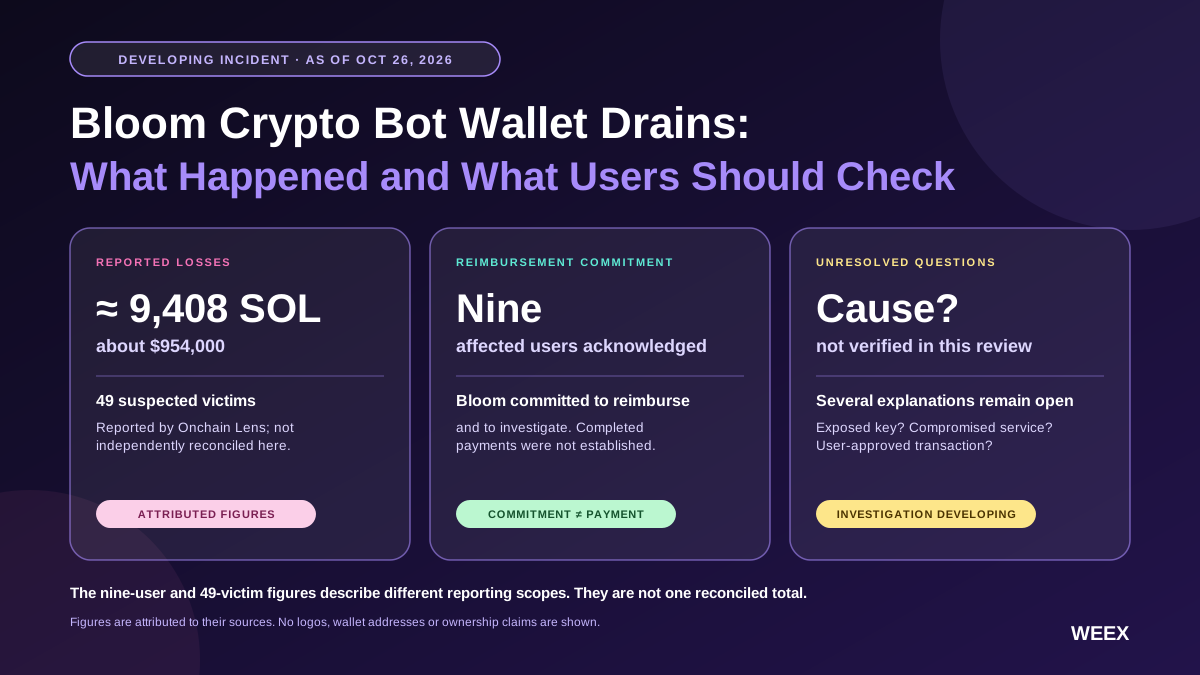
Bloom Crypto Bot Wallet Drains: What Happened and What Users Should Check
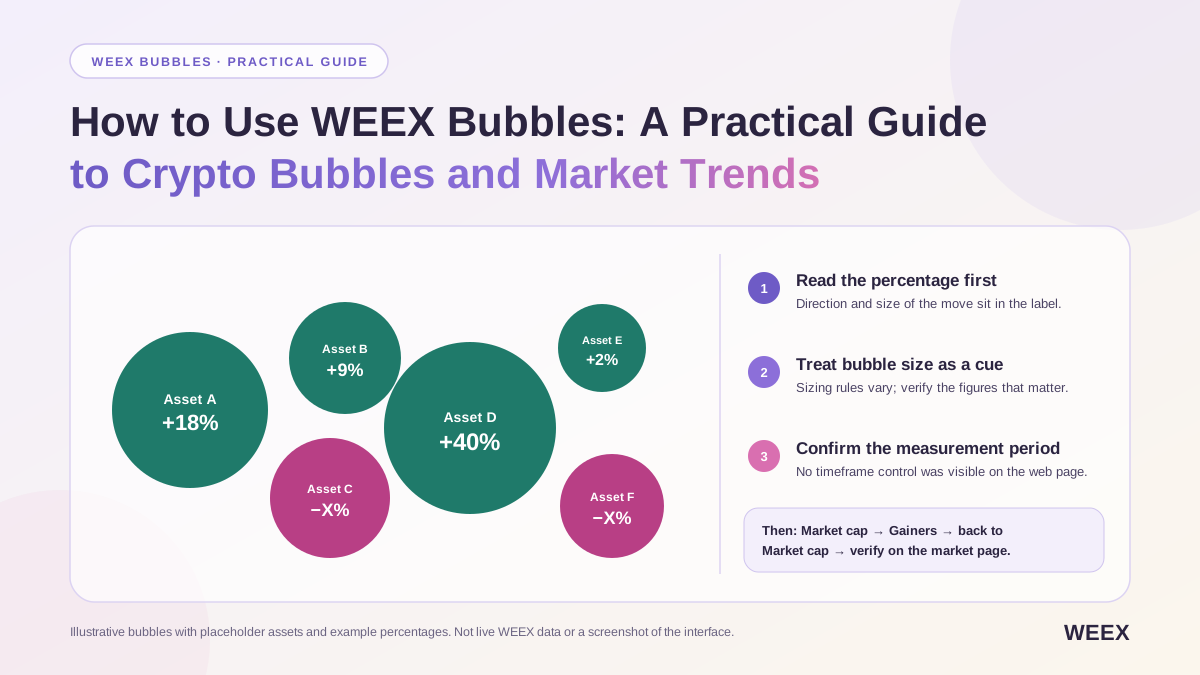
How to Use WEEX Bubbles: A Practical Guide to Crypto Bubbles and Market Trends

TSLA Stock After the Flying Roadster Reveal: What the Q3 Results, SpaceX Merger Talk and Analysts Say
SK Hynix Stock Before Q3 Earnings: Special Dividend Reports, HBM4 and What Investors Want to See on October 28
Corporate Actions for Tokenized Stocks: How Dividends, Splits and Mergers Are Handled
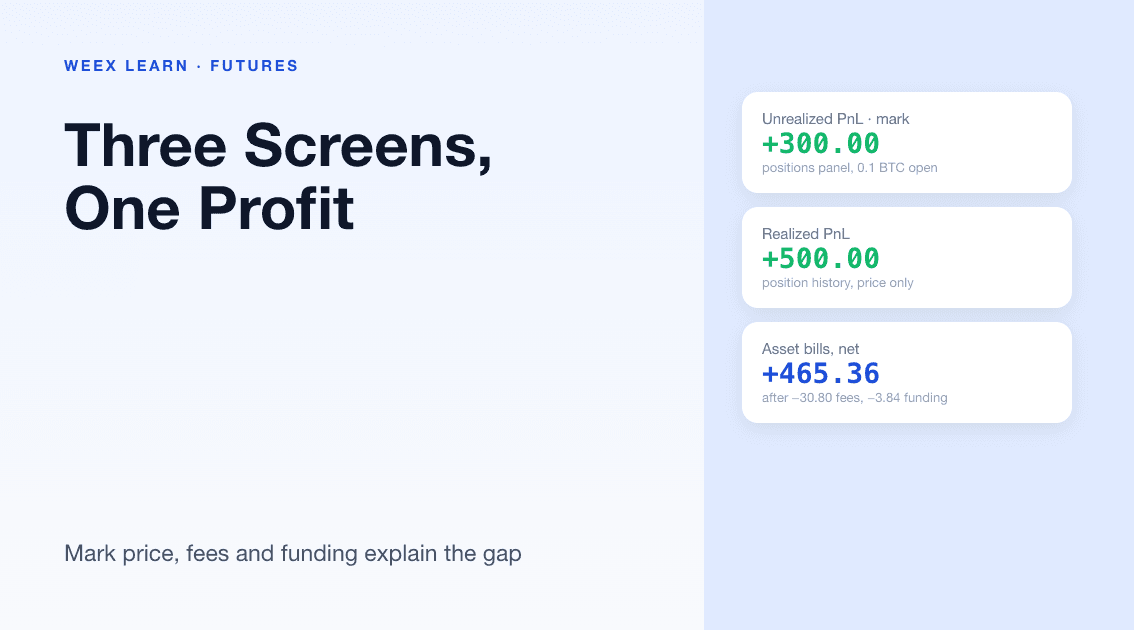
WEEX Futures PnL: Why Your Three PnL Numbers Rarely Match
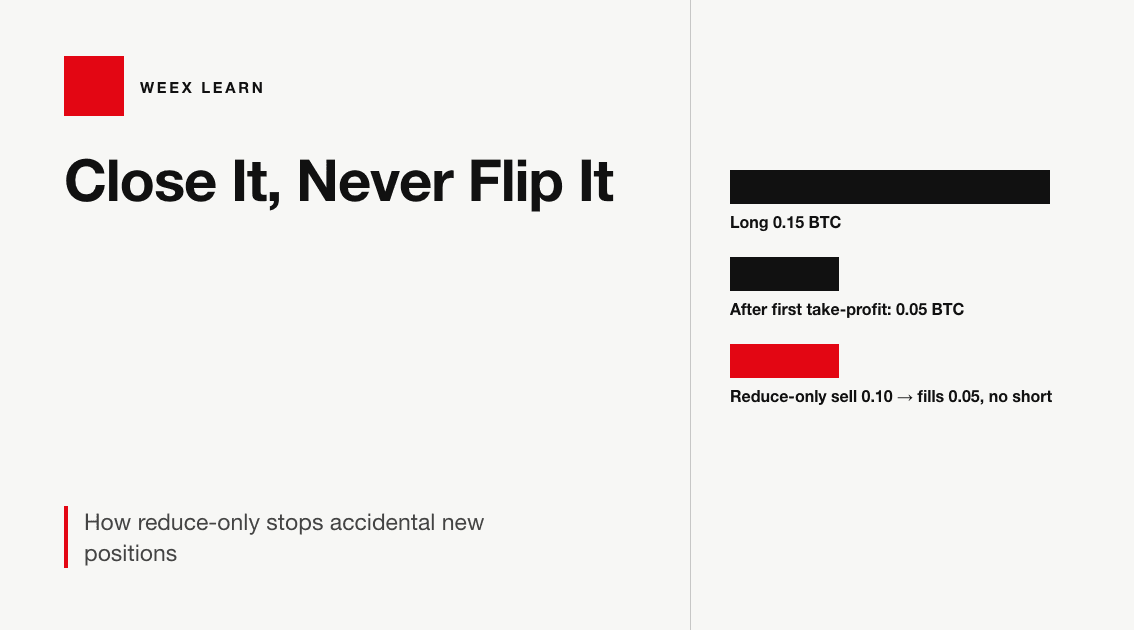
WEEX Reduce-Only Order: What It Does and When It Gets Cancelled
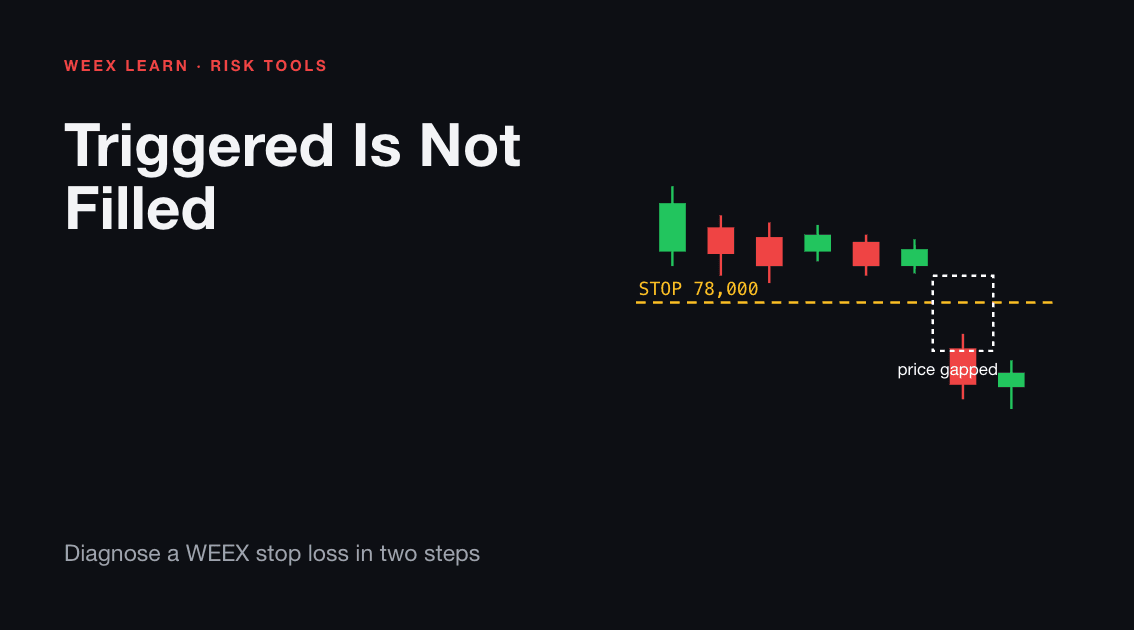
WEEX Stop Loss Not Triggered? Check the Trigger, Then the Fill
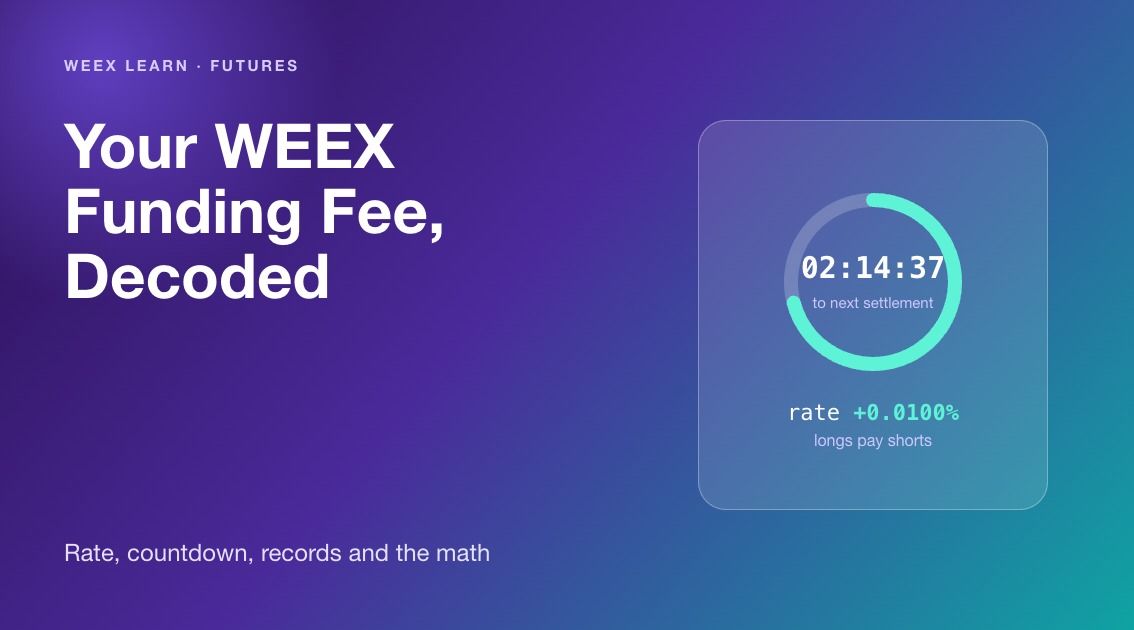
WEEX Funding Fee Explained: Rate, Countdown, Records and Math
WEEX Trading Pair Suspended or Delisted? Your Orders and Assets
WEEX Order History: How Orders, Fills and Fees Fit Together
WEEX Minimum Order Size Errors Explained With Rounding Examples

Cancel WEEX Spot Order: What Returns to Your Balance and When
WEEX Limit Order Not Filled? Read the Book, Then Fix the Order
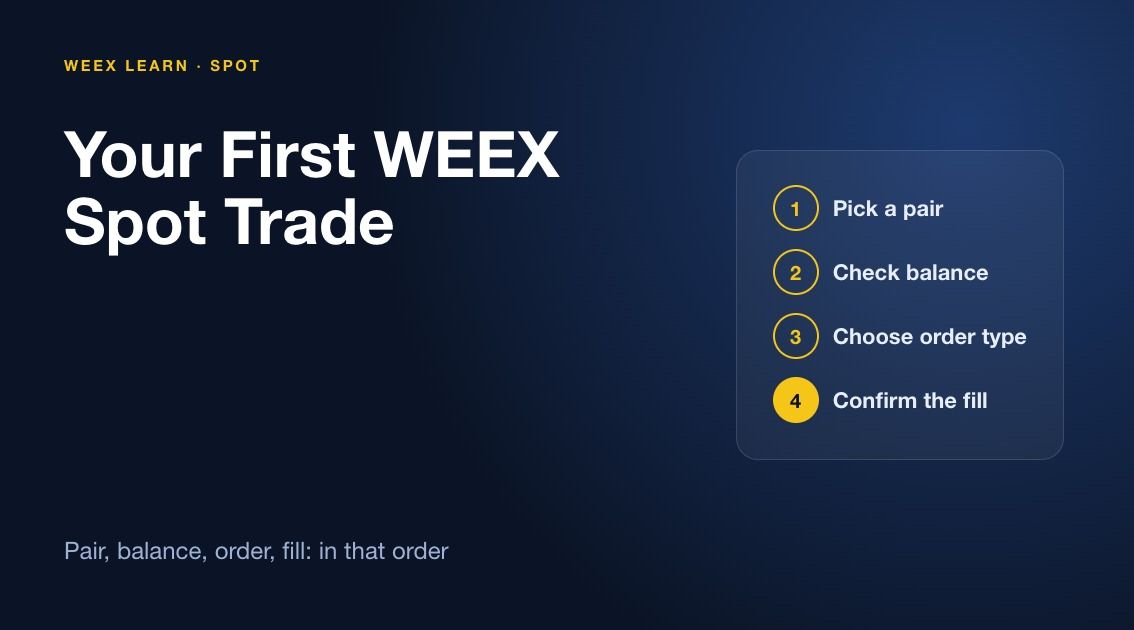
How to Spot Trade on WEEX: From Pair Choice to a Confirmed Fill

Your Auto Earn Floor: Why Your Lowest Balance Sets the Day's Pay
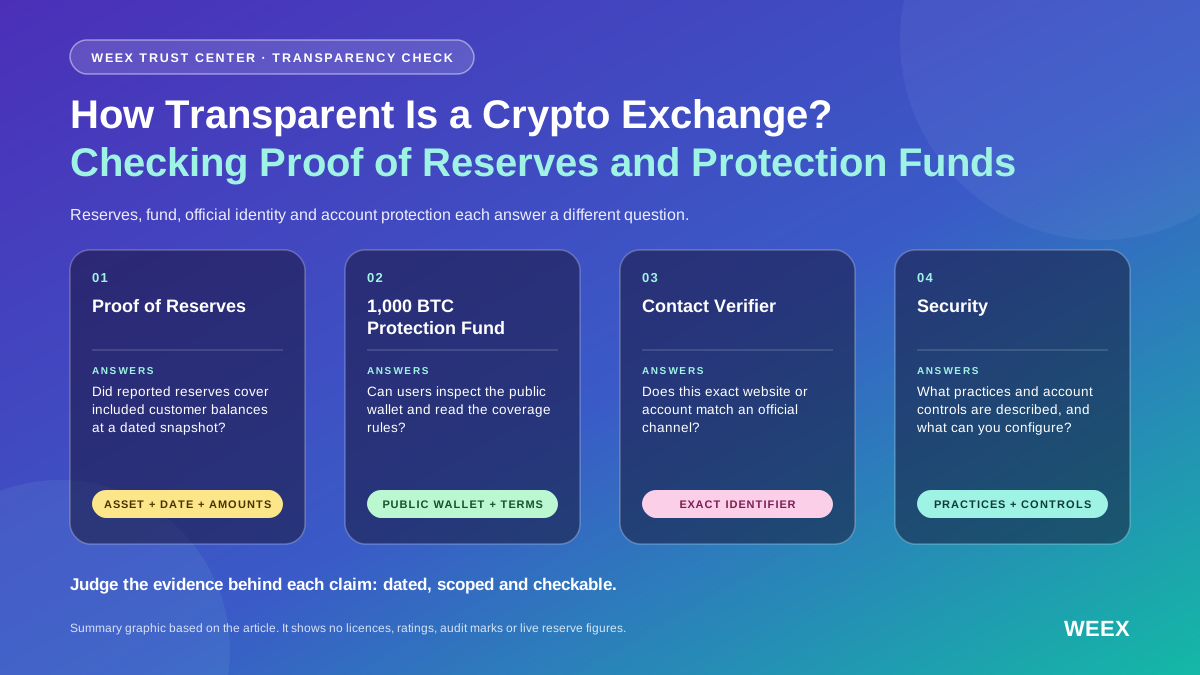
How Transparent Is a Crypto Exchange? Checking Proof of Reserves and Protection Funds On WEEX Trust Center

HTX (Huobi) Russia Restrictions: Who Is Affected and What to Check
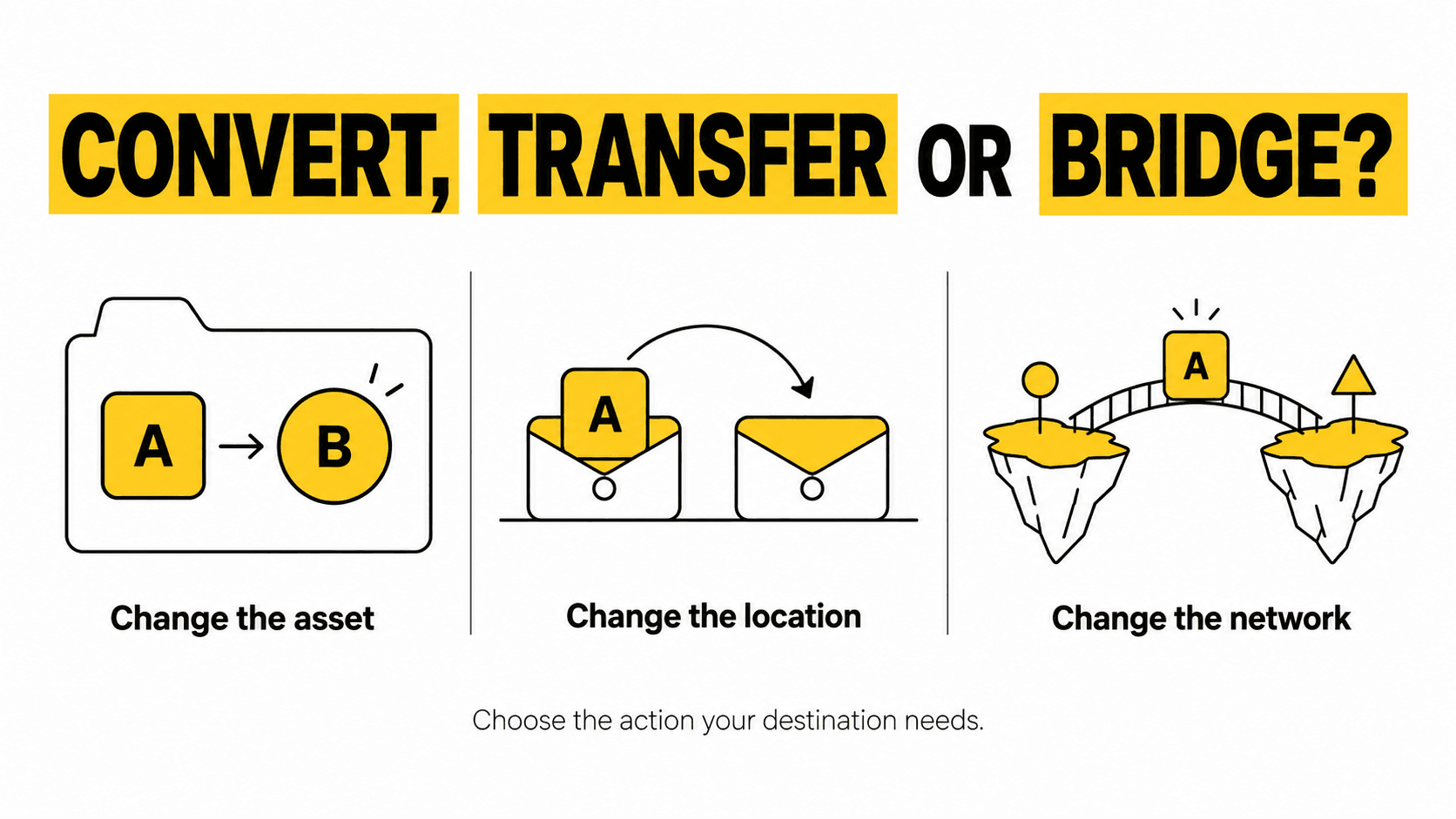
Crypto Convert vs Transfer vs Bridge: Which Action Do You Need?

Is United States Dividend Fund (USDF) Legit? What Website Checks and Reddit Actually Show
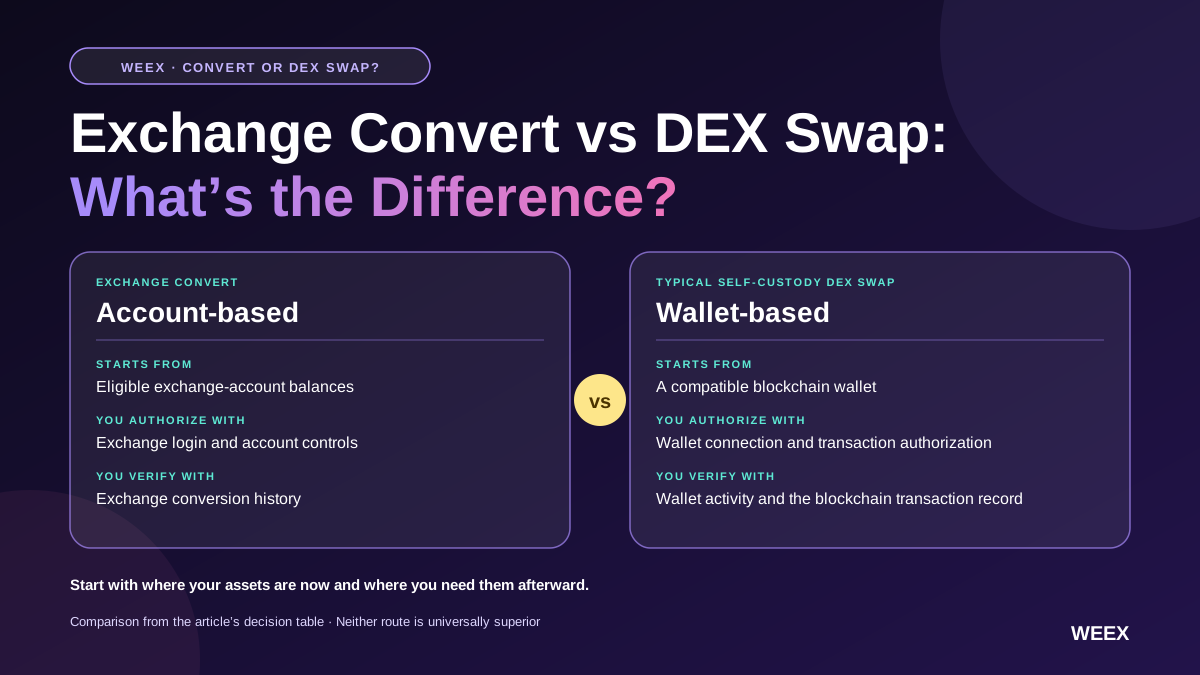
Exchange Convert vs DEX Swap: What’s the Difference? Try Convert Crypto On WEEX!
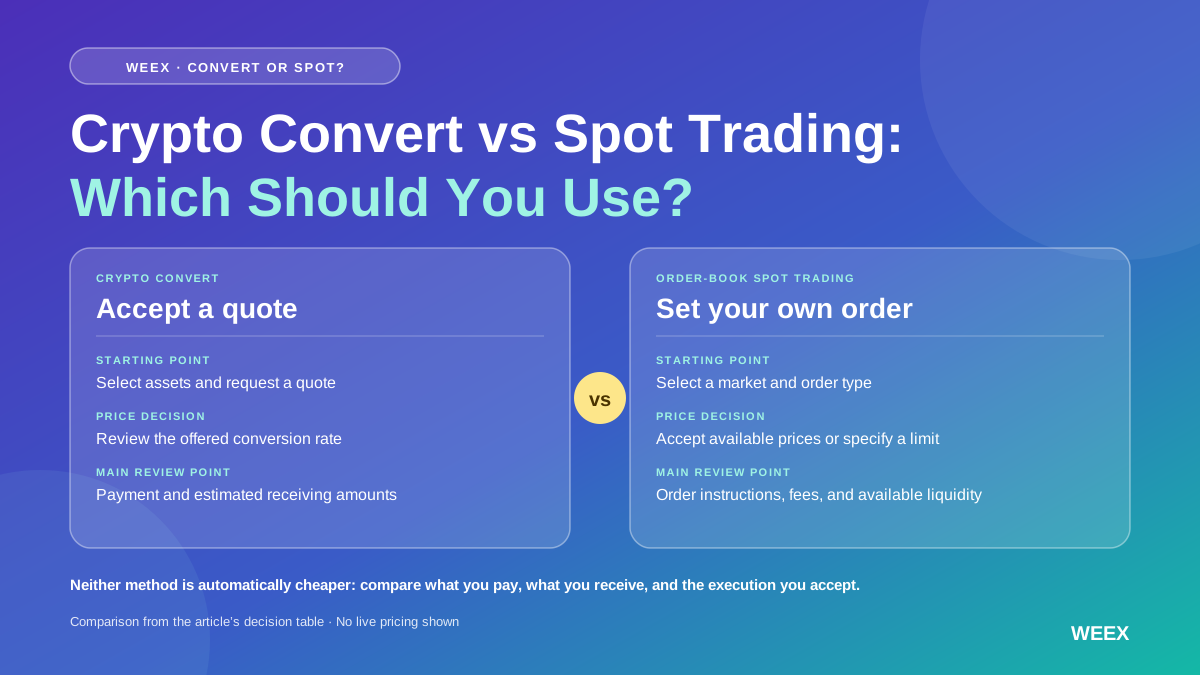
Crypto Convert vs Spot Trading: Which Should You Use On WEEX?
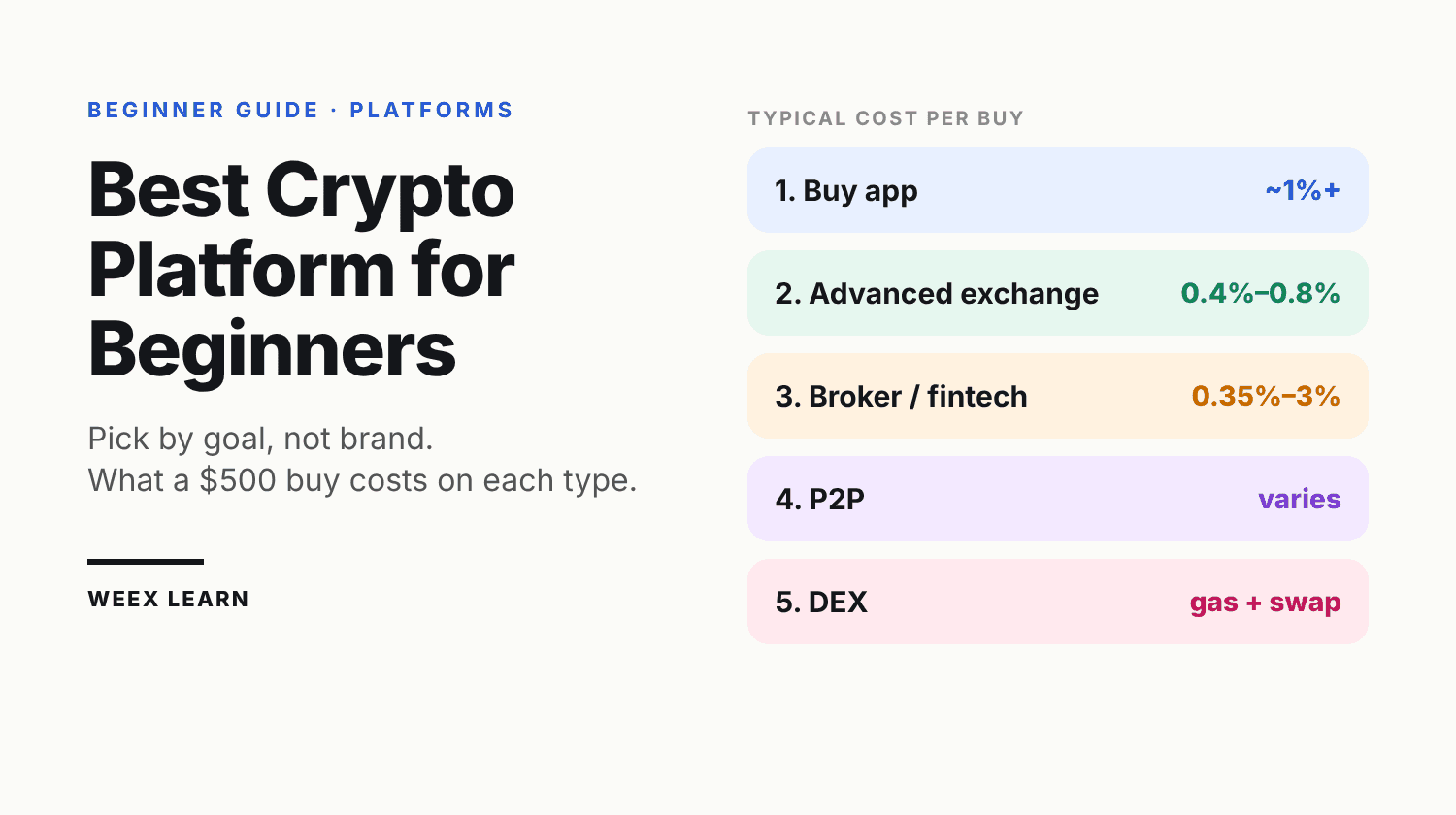
What Is Crypto Convert and How Does It Work? Try Crypto Convert On WEEX Now!
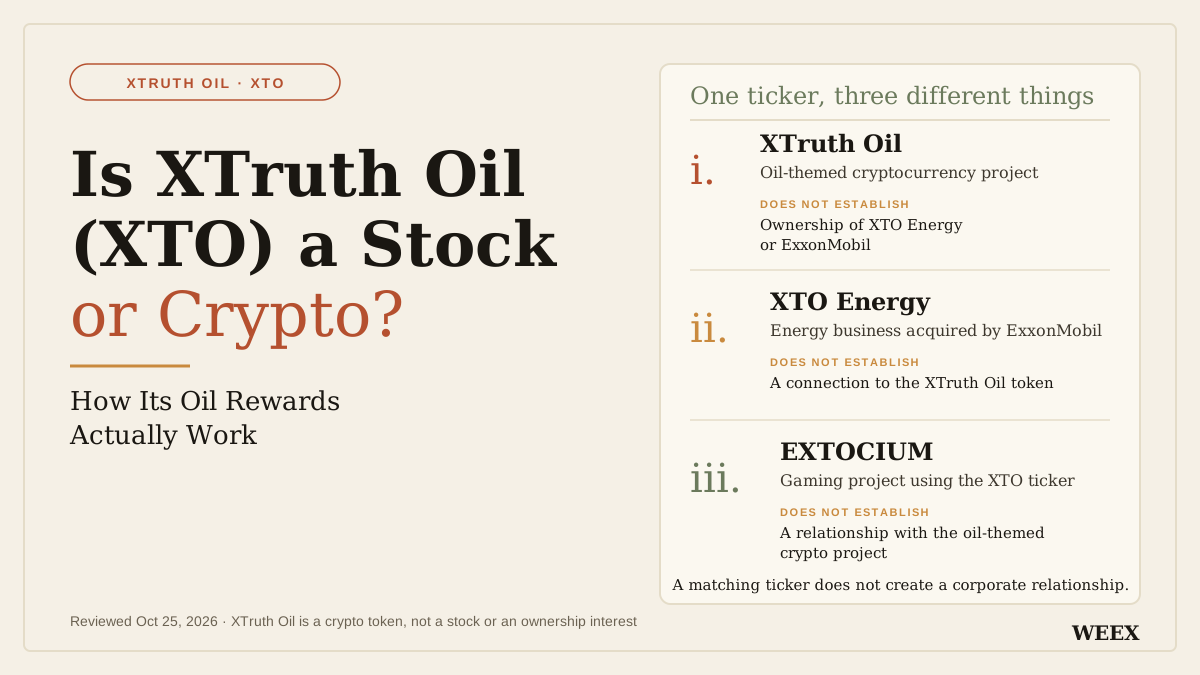
Is XTruth Oil (XTO) a Stock or Crypto? How Its Oil Rewards Actually Work
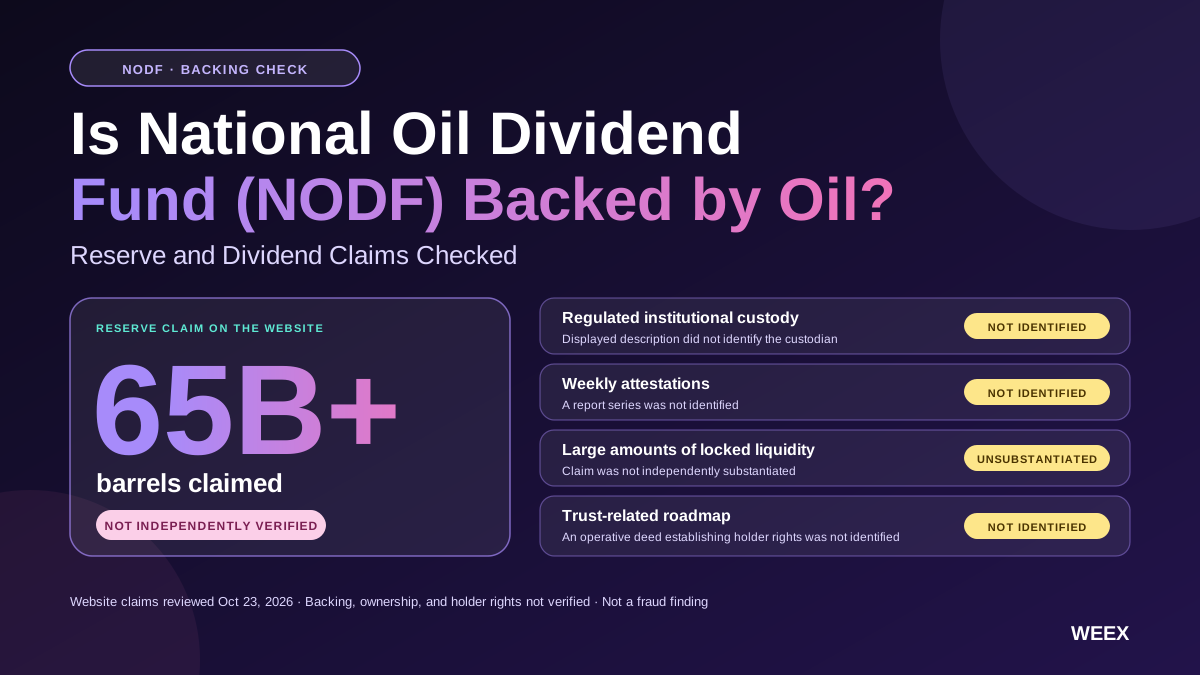
Is National Oil Dividend Fund (NODF) Backed by Oil? Reserve and Dividend Claims Checked
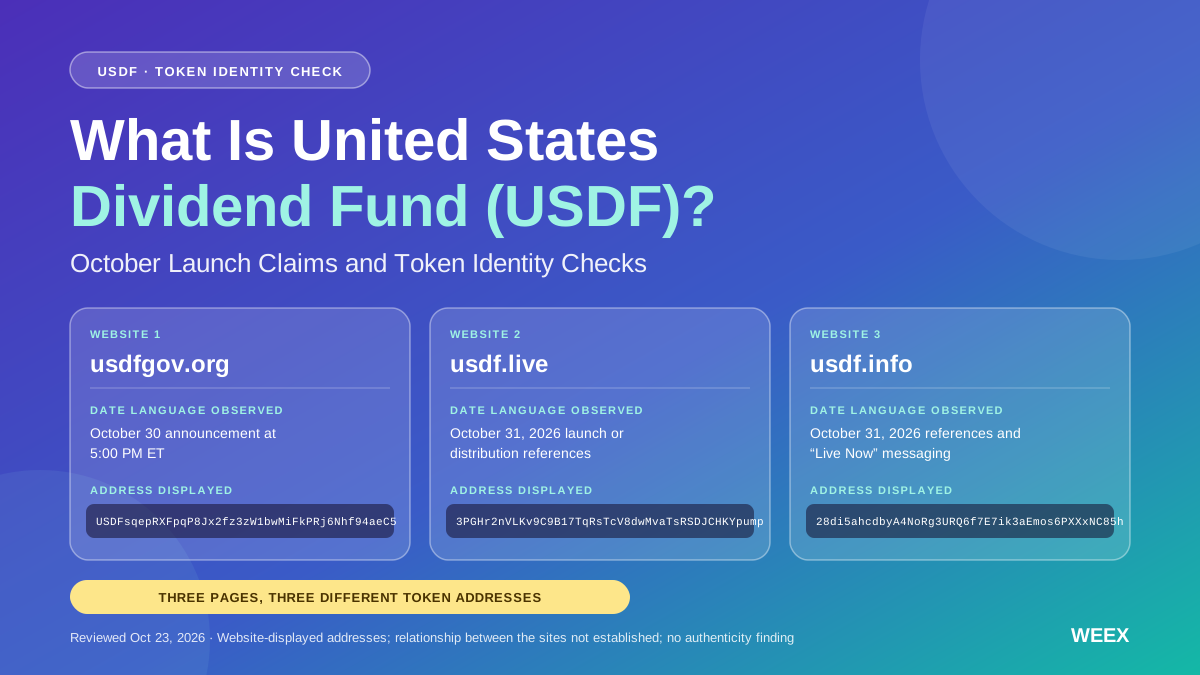
What Is United States Dividend Fund (USDF)? October Launch Claims and Token Identity Checks

How to Check Your WEEX Convert History: Convert Records and Spot Transactions

Why Did Pump.fun Partner With Kimchi? What the Deal Means for Traders
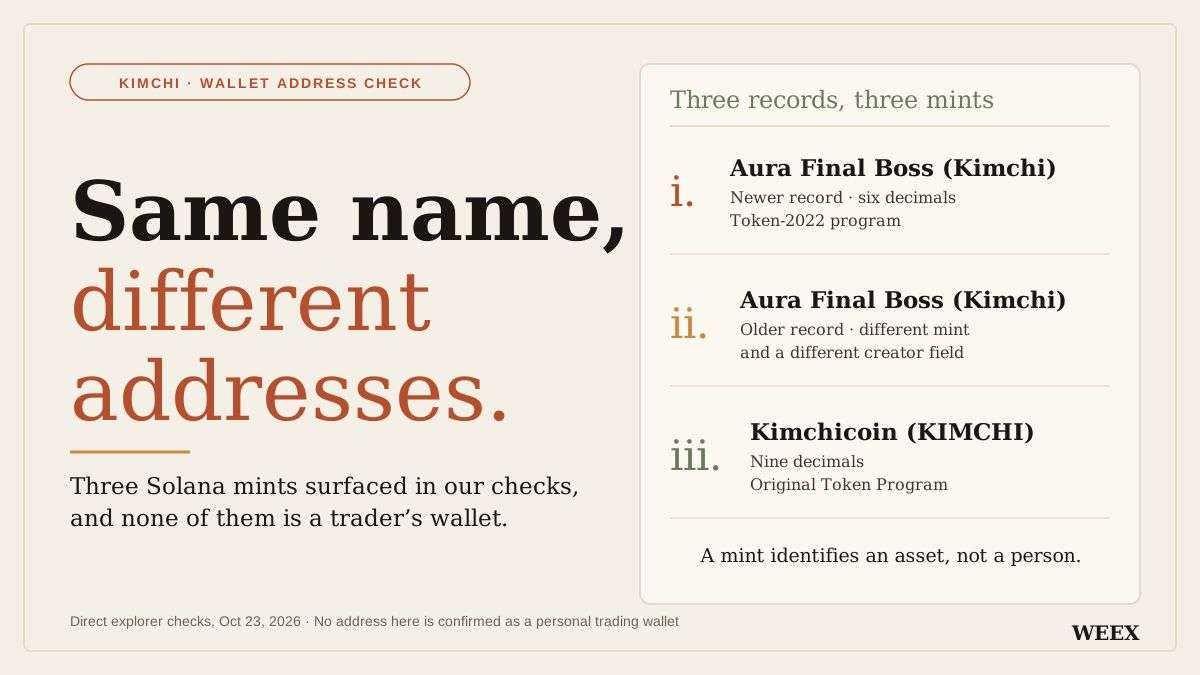
What Is Kimchi Crypto Trader’s Wallet Address? Public Records and Verification Guide
Which Cryptocurrencies Can You Convert on WEEX? How to Check Supported Assets
Bloom Crypto Bot Wallet Drains: What Happened and What Users Should Check
How to Use WEEX Bubbles: A Practical Guide to Crypto Bubbles and Market Trends
TSLA Stock After the Flying Roadster Reveal: What the Q3 Results, SpaceX Merger Talk and Analysts Say
SK Hynix Stock Before Q3 Earnings: Special Dividend Reports, HBM4 and What Investors Want to See on October 28
Corporate Actions for Tokenized Stocks: How Dividends, Splits and Mergers Are Handled
WEEX Futures PnL: Why Your Three PnL Numbers Rarely Match


