
Your Auto Earn Floor: Why Your Lowest Balance Sets the Day's Pay
By: WEEX|10/26/2026 03:00:00
0
Share
 Prefer us on Google


Key Takeaway
WEEX Auto Earn does not pay on your average balance. It checks your balance every three hours, eight times a day, and pays on the lowest reading. That lowest reading is your earning floor. Three traders with the same 5,000 USDT can earn very different amounts, depending on how low their floor drops.
How WEEX Auto Earn Picks the Balance It Pays On
WEEX Auto Earn takes a snapshot of your interest-bearing balance every three hours. That is eight snapshots a day. The lowest of the eight sets the balance for the whole day.
Only some USDT counts toward each snapshot:
- Spot and funding: available and frozen USDT
- Futures: available USDT only, not margin in open positions
- Never counted: trial funds and coupons
Each day's interest arrives in your Funding Account at 12:00 PM (UTC+0) the next day.
Find Your Earning Floor
Your earning floor is the lowest balance WEEX Auto Earn sees across a day's eight snapshots. It is the only number that sets your pay. Raising it is the simplest way to earn more.
As of October 26, 2026, WEEX Auto Earn pays 10% APR on the first 200 USDT and 3% APR from 200 to 500,000 USDT. To estimate a day's interest from your floor:
- Take 10% of the first 200 USDT of your floor.
- Take 3% of the rest, up to 500,000 USDT.
- Add them and divide by 365.
A 5,000 USDT floor pays about 0.4493 USDT a day. A 3,000 USDT floor pays about 0.2849.
-- Price
--
--
--
Three Traders, Same Balance, Different Pay
Each of these traders holds 5,000 USDT on WEEX with Auto Earn on. They differ only in how they use futures margin. Their floors, and their pay, end up far apart.
- The holder never opens positions. The floor stays at 5,000 USDT. Pay: about 0.4493 USDT a day.
- The swing trader keeps 2,000 USDT as margin in a position for days. Every snapshot sees 3,000 USDT. Pay: about 0.2849 USDT a day.
- The scalper opens 2,000 USDT positions for short bursts all day. On average only a few hundred USDT is tied up. But if one snapshot lands during a trade, the floor is 3,000 USDT. Pay: about 0.2849 USDT a day.
The swing trader gives up about 60 USDT a year in interest. The scalper can give up the same, despite rarely holding positions.
Why Your Average Balance Misleads You
Most people judge interest by their average balance. WEEX Auto Earn uses your lowest snapshot instead. The gap between the two is what surprises active traders.
The scalper above averages about 4,800 USDT across the day. At that balance, Auto Earn would pay about 0.4329 USDT. The actual payout is about 0.2849, because one snapshot caught the low point.
Do not try to time trades around snapshots. Snapshot times can change, and a trade that runs long will be caught anyway.
How to Raise Your Floor
Raising your floor means keeping a steady base of USDT that you never touch. Trade from a separate slice. The base earns every day, whatever the trading slice does.
- Decide your base, such as 3,000 of 5,000 USDT.
- Size futures margin so it never dips into the base.
- Keep spare USDT in spot or funding, not as idle futures margin.
- Batch transfers out instead of making many small ones.
WEEX Auto Earn rates are estimates and can change. Interest does not protect USDT from losing its peg. The product needs identity verification and is not offered in every region.
To start, turn on WEEX Auto Earn.
FAQ
- How often does WEEX Auto Earn check my balance?WEEX Auto Earn takes a snapshot every three hours, eight times a day, and pays on the lowest one.
- Why is my WEEX Auto Earn payout lower than my average balance suggests?WEEX Auto Earn pays on your lowest snapshot of the day, not your average. One low reading sets the day's pay.
- Does futures margin count toward my Auto Earn floor?No. Margin in open positions does not count. Only available futures balance does.
- What is an earning floor in WEEX Auto Earn?It is the lowest balance across the day's eight snapshots. WEEX Auto Earn pays interest on that amount.
This content is provided for general informational purposes only and doesn't constitute financial, investment, legal, or tax advice. Any events, rewards, online promotions, or related information mentioned herein should not be considered a recommendation, solicitation, or invitation to purchase, sell, trade, or otherwise deal in any crypto assets. Crypto assets are highly volatile and may result in loss. The availability of WEEX services, products, and related events may vary by region. You are responsible for ensuring that your participation is in accordance with applicable local laws and regulations.
You may also like

How to Trade Gold in Forex: What XAU/USD Is, How Pips and Lots Work and the Risks to Know
BTC Funding Rate and Open Interest: What Each One Measures and How to Read Them Together
What Is Leverage Trading in Crypto? A Beginner’s Guide With Simple Examples
What Is Crypto Margin Trading? How It Works, How It Differs From Futures and What Can Go Wrong
Crypto Leverage Trading Explained: How Perpetual Futures, Margin and Liquidation Work
What Is Leverage in Trading? How Leverage Ratios Like 5x and 10x Work and What They Do to Your Risk
What Is Leverage Trading? A Beginner’s Guide to Margin, Liquidation and Funding Fees
The Cost of Idle USDT: What Unused Balances Miss Each Year
USDC Significant EMT Status in the EU: What Changes on November 12 Under MiCA
What Is a Limit Order? How It Works and When to Use It
MU Stock Falls Below $1,000: Is the CXMT Threat Real or Just an Excuse to Take Profits?
Stop Loss and Take Profit in Crypto Futures: A 1% Risk Playbook
SPCX Stock Futures: 2.75B SpaceX Shares Unlock by December
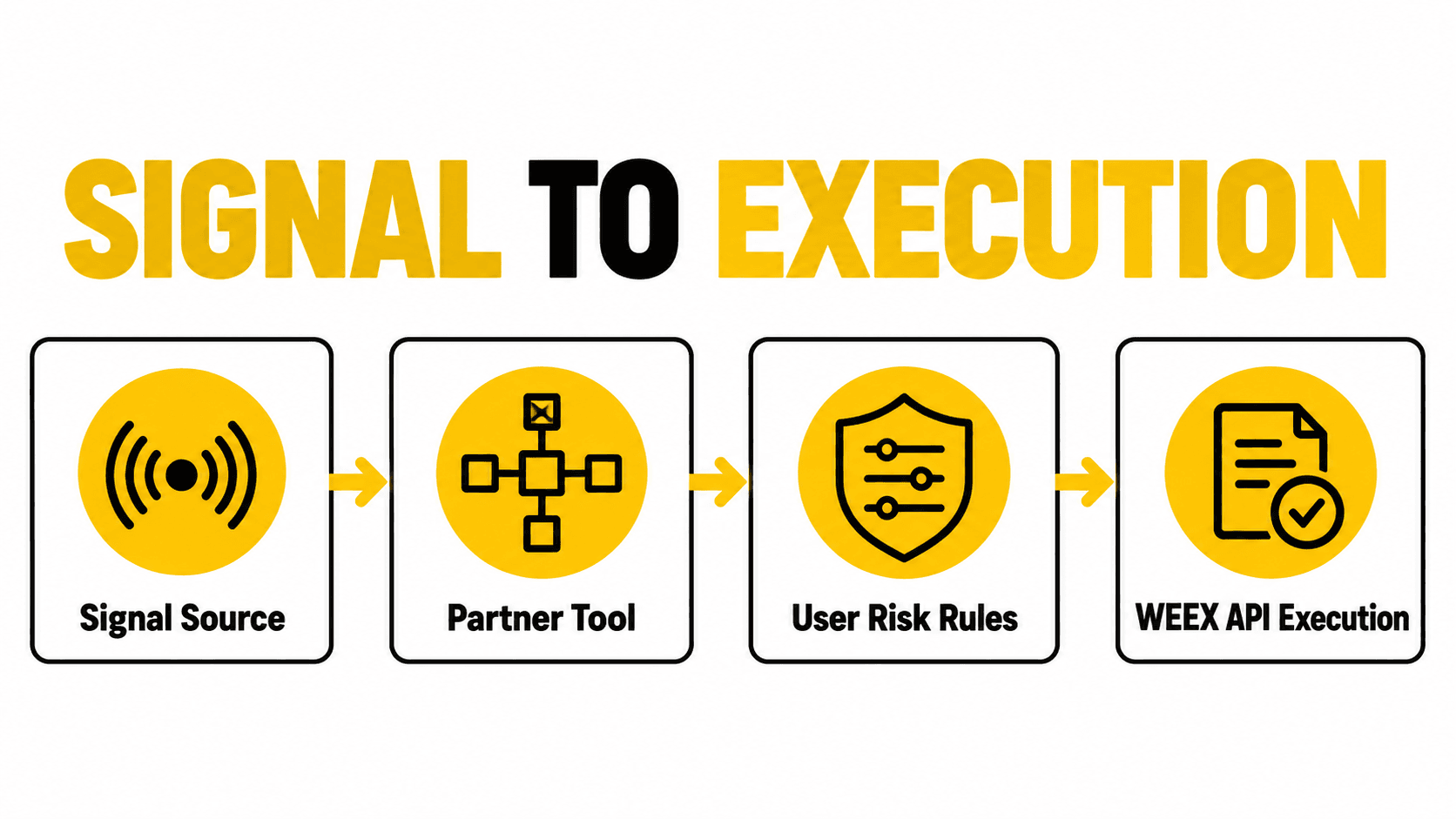
How Copy Trading, Signal, and Telegram Trading Tools Can Build With WEEX Broker
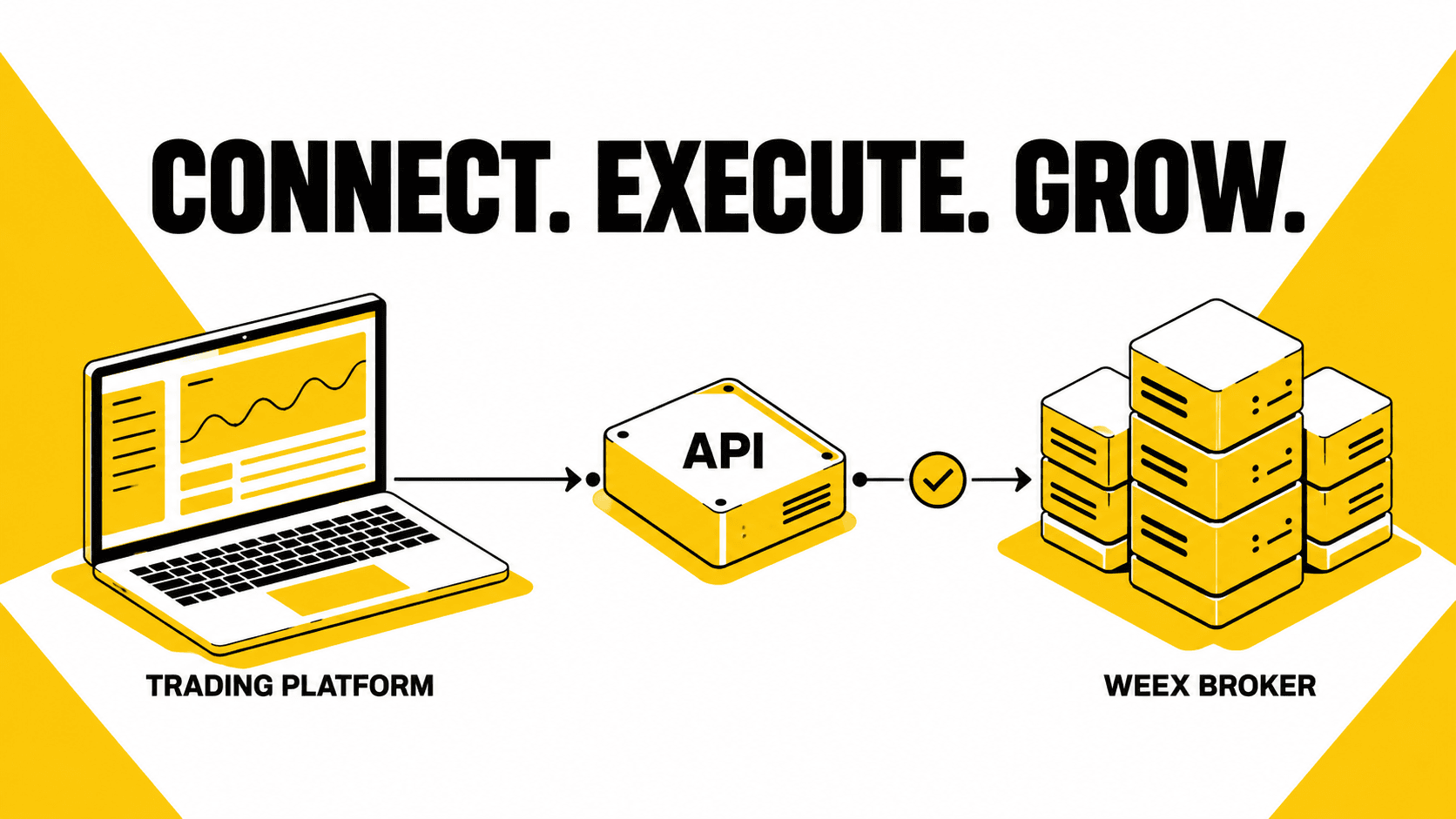
How Trading Platforms and Terminals Can Connect to WEEX Broker
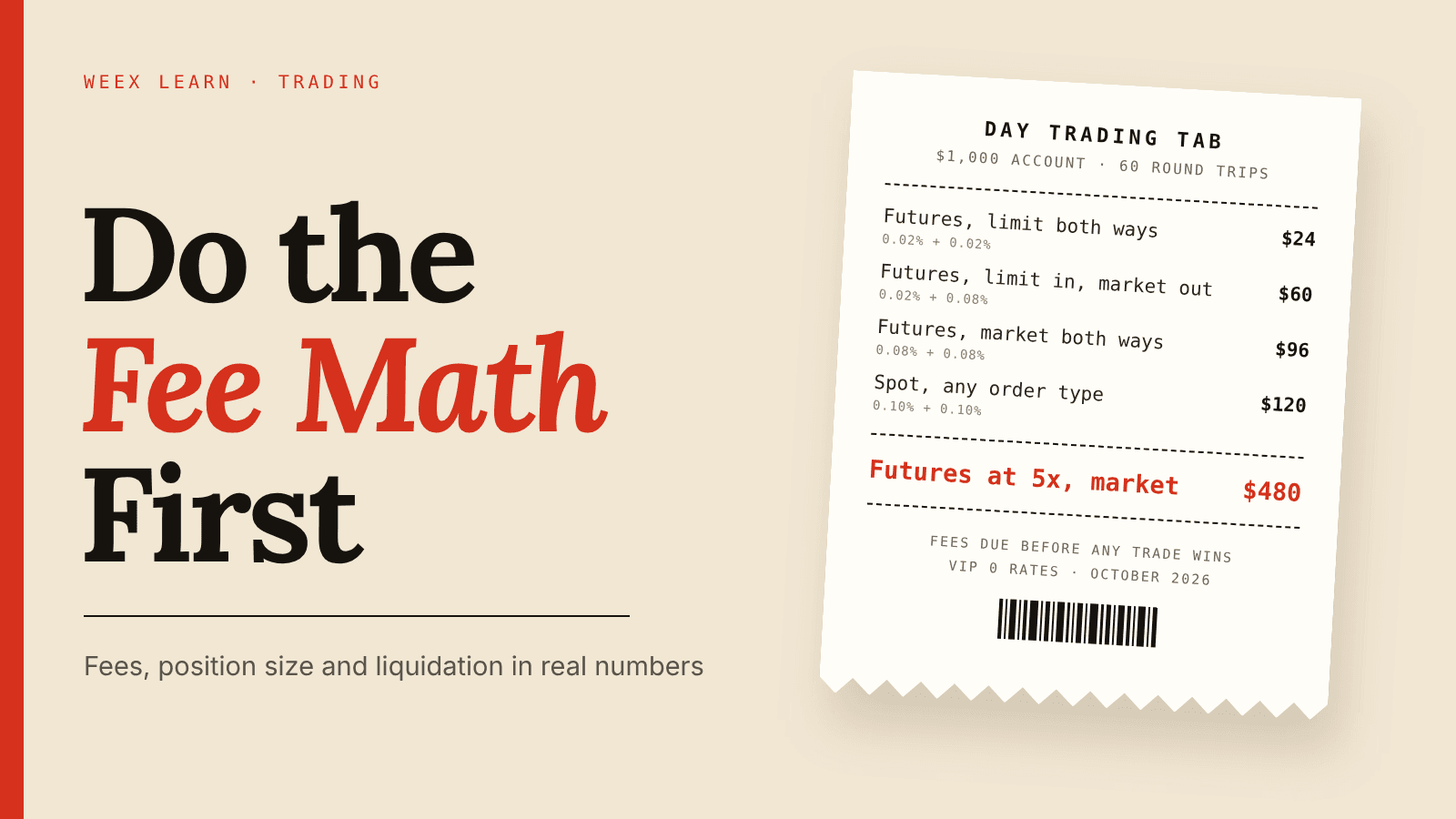
How to Day Trade Crypto for Beginners: Do the Fee Math First
WEEX API for Quantitative Trading: Use Cases, Market Data and Automated Trading
What Is WEEX API? Features, Trading Tools and How It Works
WEEX TOKEN2049 Day 1 Live Preview: Booth, MBTI and AI Demo

Is RSI a Lagging Indicator? Yes in the Math, Not Always in Practice
Trading Psychology for Beginners: The Math Behind Your Emotions
Does a Negative Funding Rate Mean a Short Squeeze Is Coming?
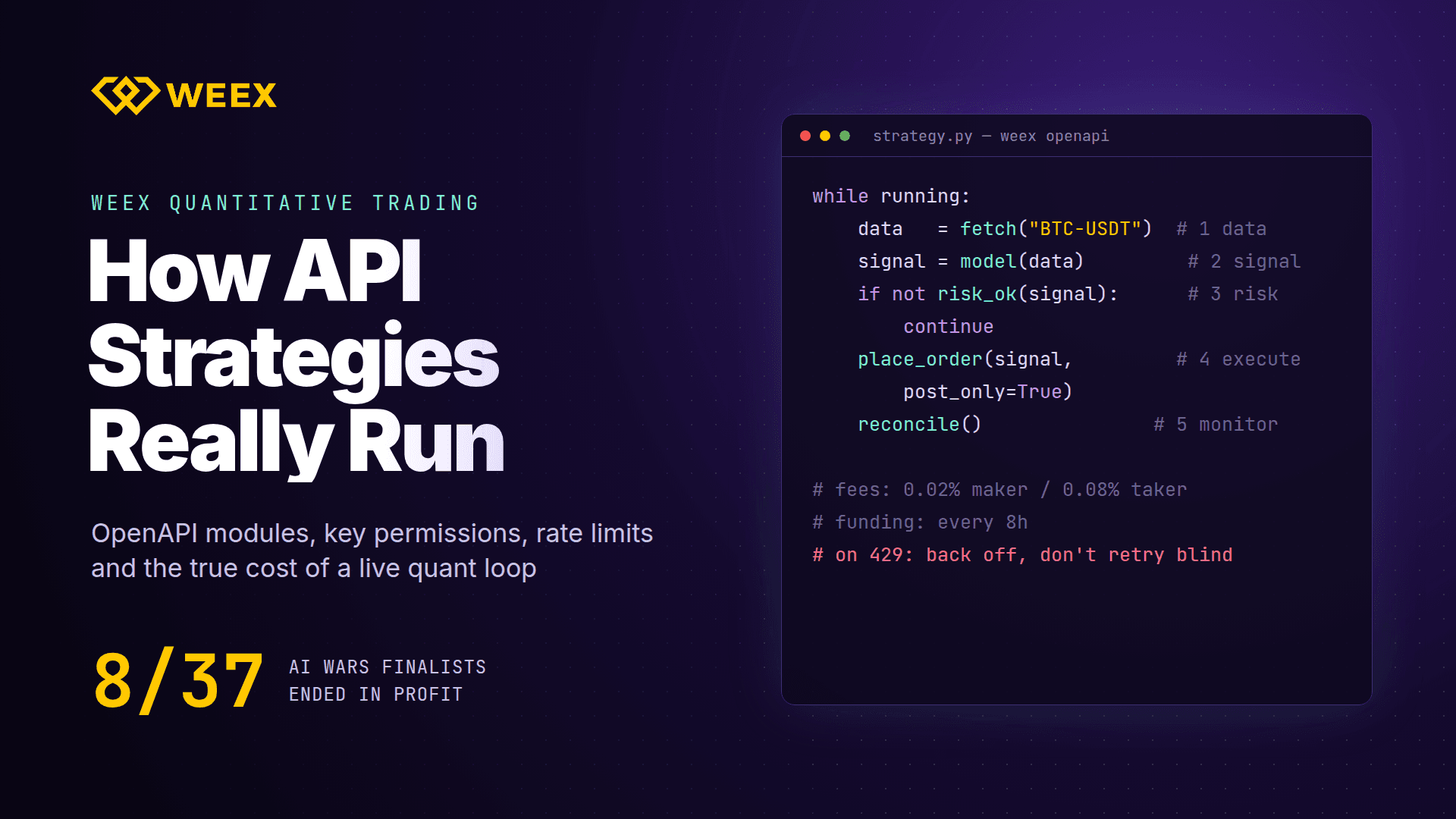
WEEX Quantitative Trading: How API Strategies Run in Practice
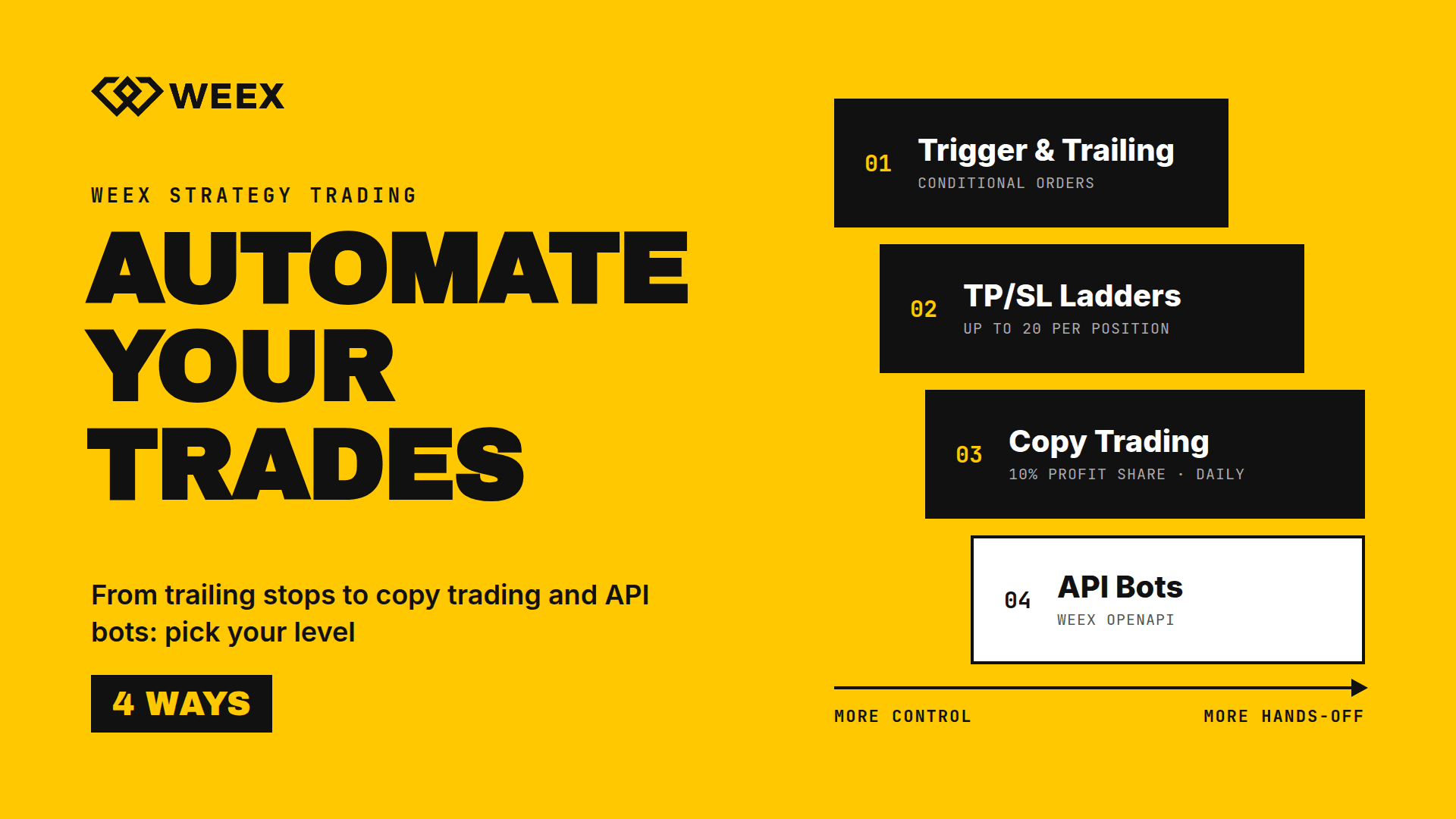
WEEX Strategy Trading: 4 Ways to Automate Your Crypto Trades

Best Crypto Exchange for Beginners 2026: What Actually Matters When Choosing One
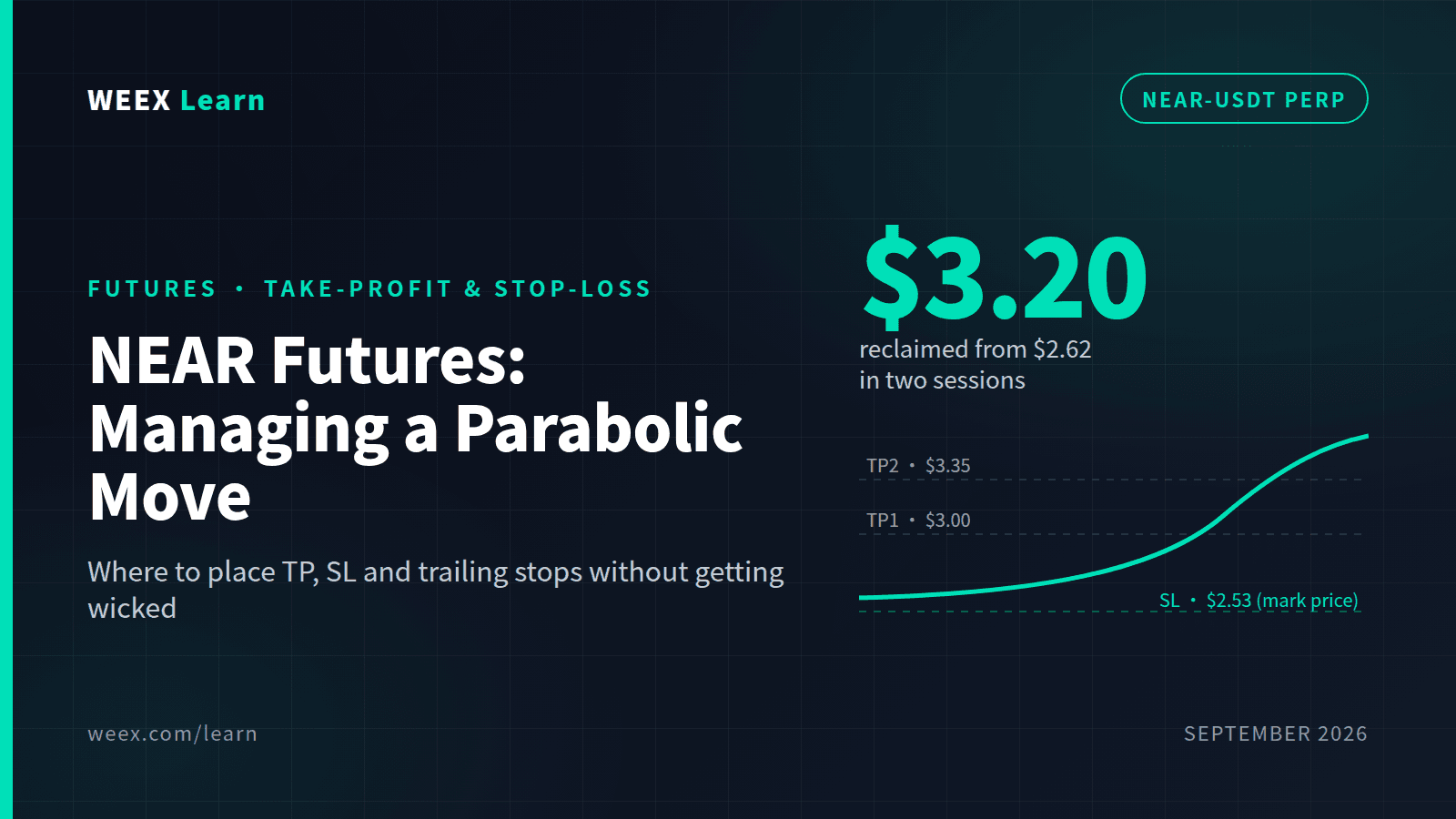
NEAR Futures Take-Profit and Stop-Loss: Managing a Parabolic Move
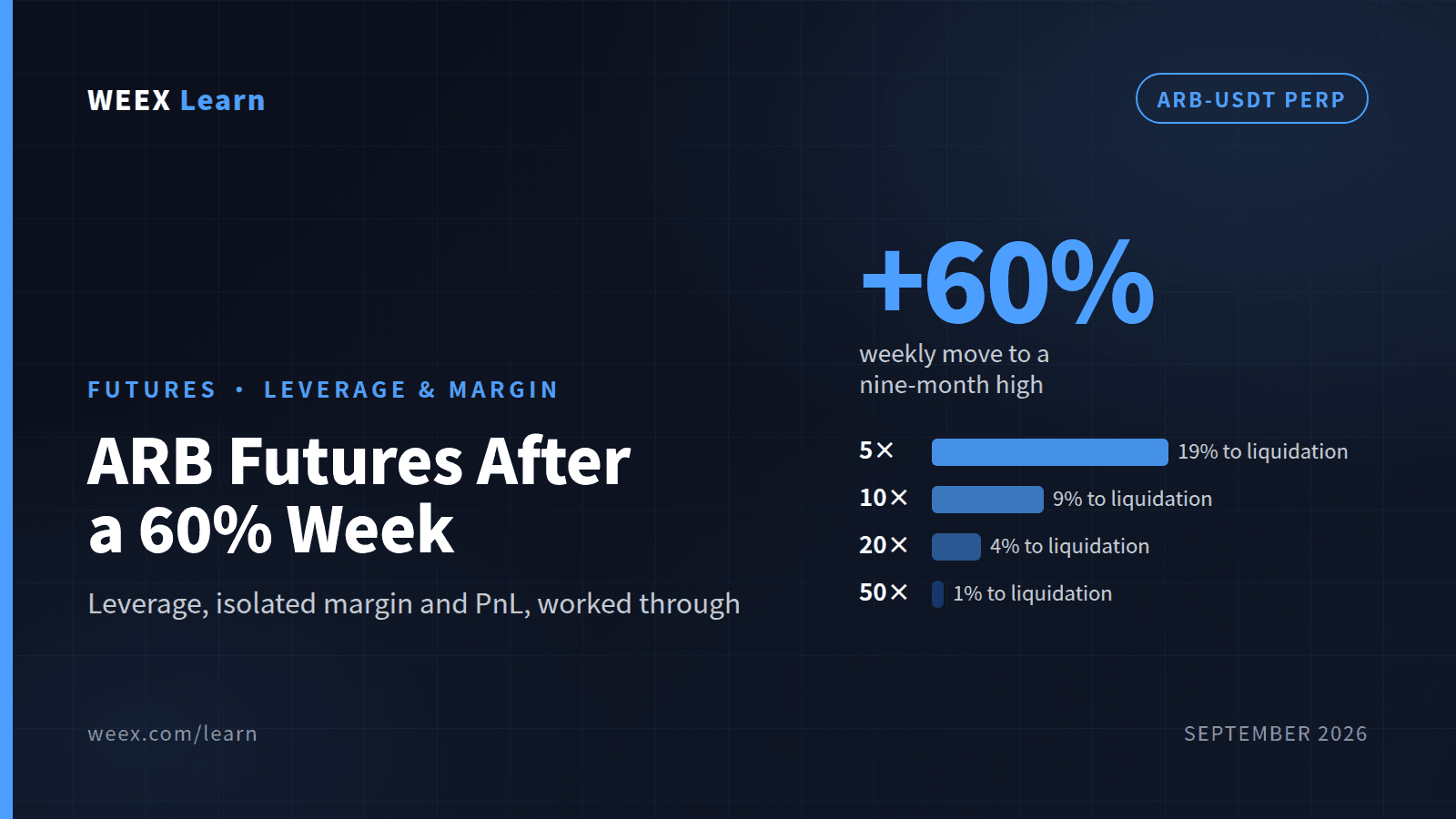
ARB Futures After a 60% Week: Leverage, Isolated Margin and PnL
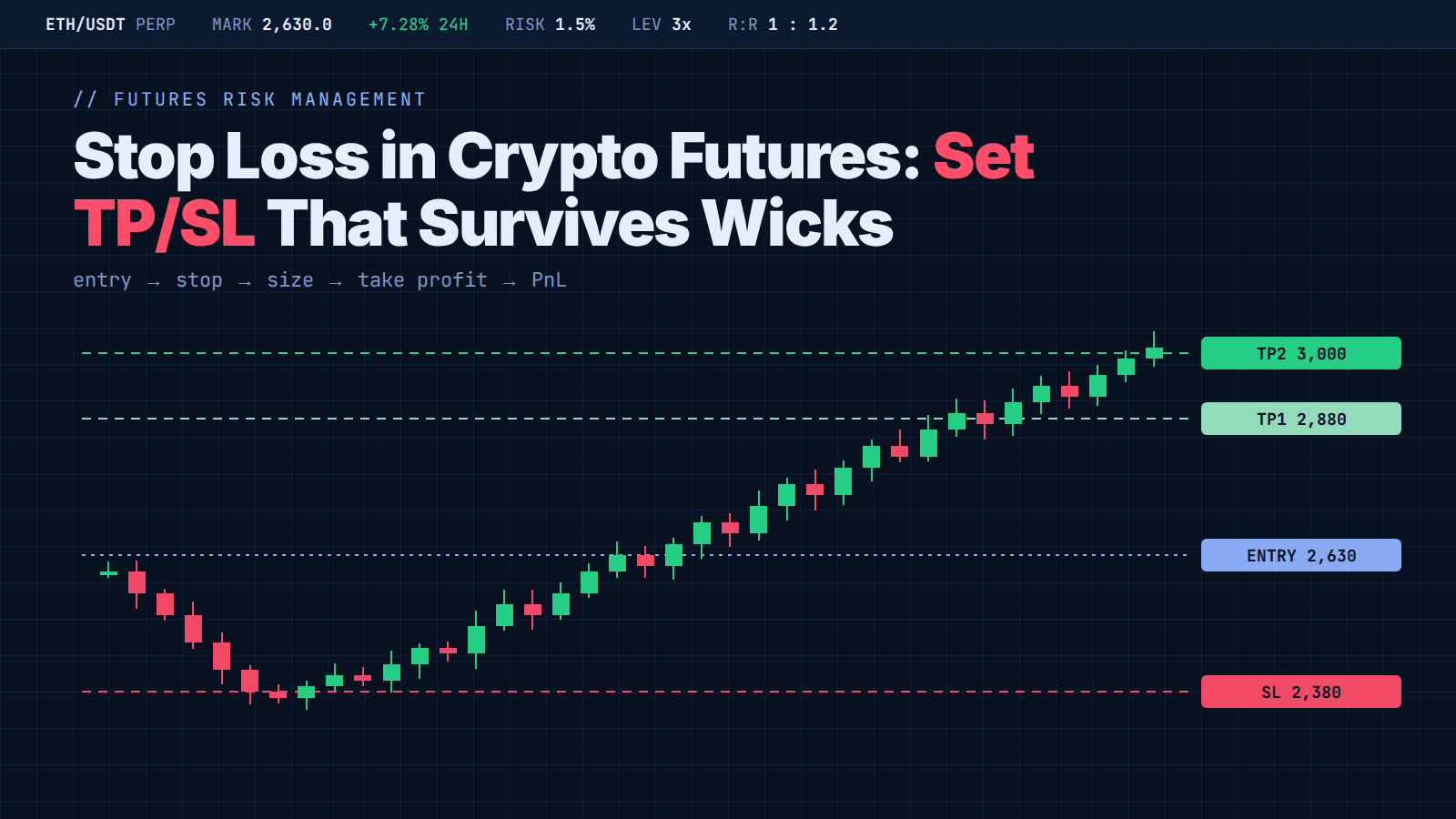
Stop Loss in Crypto Futures: How to Set TP/SL That Survives Wicks
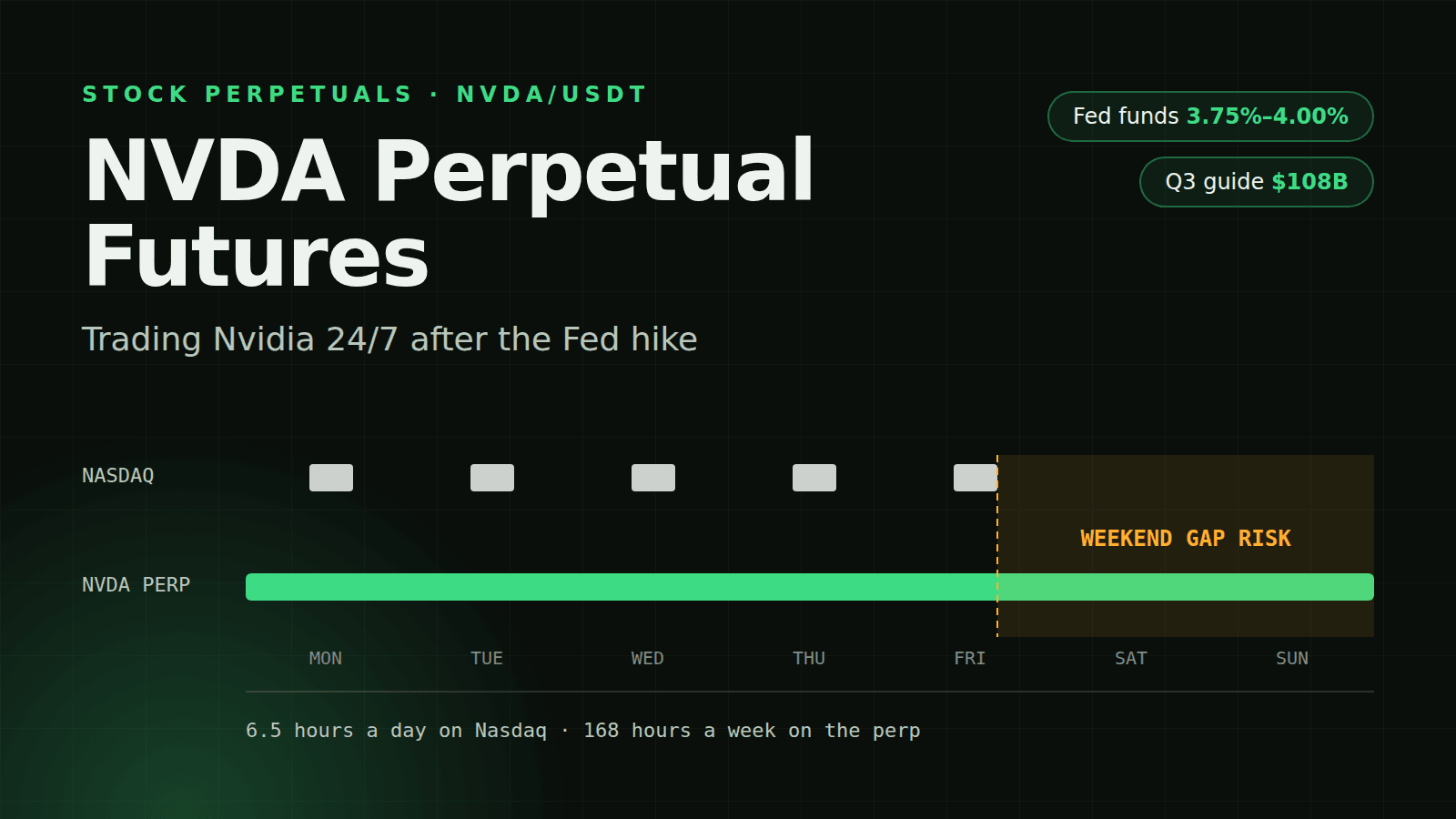
NVDA Perpetual Futures: Trading Nvidia 24/7 After the Fed Hike
Perpetual Futures for Beginners: Margin, Funding and Liquidation Explained
How to Trade Gold in Forex: What XAU/USD Is, How Pips and Lots Work and the Risks to Know
BTC Funding Rate and Open Interest: What Each One Measures and How to Read Them Together
What Is Leverage Trading in Crypto? A Beginner’s Guide With Simple Examples
What Is Crypto Margin Trading? How It Works, How It Differs From Futures and What Can Go Wrong
Crypto Leverage Trading Explained: How Perpetual Futures, Margin and Liquidation Work
What Is Leverage in Trading? How Leverage Ratios Like 5x and 10x Work and What They Do to Your Risk
...


Customer Support:@weikecs
Business Cooperation:@weikecs
Quant Trading & MM:bd@weex.com
VIP Program:support@weex.com
