
What Is Bitcoin? A Simple Guide for Crypto Beginners

 Prefer us on Google
Welcome to WEEX - the world’s fastest growing crypto derivatives trading platform.
Bitcoin revolutionized finance as the first decentralized digital currency, but how does it actually work? Understanding its technology, value proposition, and risks is essential before investing.
In the following article below, everything about Bitcoin will simply be explained for you.
What is Bitcoin?
Launched in 2009, Bitcoin is a cryptocurrency that enables peer-to-peer transactions without banks or governments. Unlike traditional currencies, it operates on a decentralized network of computers worldwide.
Transactions are verified through cryptography and recorded on a public blockchain ledger. This open system allows anyone to participate in Bitcoin's borderless financial ecosystem.
The Birth of Bitcoin
In 2008, the anonymous Satoshi Nakamoto published the groundbreaking Bitcoin whitepaper, introducing a decentralized digital currency. The network launched in 2009 when Nakamoto mined the Genesis Block (50 BTC reward).
Bitcoin's first real-world transaction occurred on May 22, 2010 - 10,000 BTC for two pizzas (now celebrated as Bitcoin Pizza Day ). By 2021, Bitcoin's price soared to a record $65,000+, showcasing its remarkable evolution from experimental concept to valuable asset.
How Bitcoin works?
Unlike government-issued fiat currencies managed by banks, Bitcoin operates through cryptographic verification. Transactions are publicly recorded on an open ledger, with details like sender, receiver, and amount visible to all.
All transactions are stored in interconnected "blocks" forming a tamper-proof chain. Each block contains a unique cryptographic hash of the previous one, creating an immutable record that ensures transparency and security.
Without central authorities, transaction verification is performed by miners who compete to add new blocks. Successful miners earn Bitcoin rewards, maintaining the network while introducing new coins into circulation.
-- Price
The Advantages and Disadvantages of Bitcoin
We have mentioned part of the advantages of Bitcoins above, let’s deep dive into it…and don’t ignore the risk of it.
Advantages
- Bitcoin operates without government or bank control, ensuring no one can freeze, tax, or seize your coins. Enjoy borderless transactions anytime, without intermediaries.
- Transactions protect your identity while blockchain technology prevents fraud, double-spending, and tampering. Every payment is permanently recorded yet pseudonymous.
Disadvantages
- Bitcoin's extreme price swings offer profit potential but equal danger. Prices surge or crash rapidly based on mining supply, investor demand, news cycles, and regulations—making it unsuitable for stable returns.
- While secure by design, Bitcoin isn't risk-free. Users must safeguard private keys or risk permanent loss. Hackers also target wallets through phishing and scams, requiring constant vigilance.
Conclusion
If you want to know more crypto trading information for crypto investors, follow us on WEEX Learn. We have constantly provided essential trading knowledge to enhance your investment strategy and crypto journey.
Ready to start your crypto-currency experience today? – Buy Bitcoin on WEEX now!
This content is provided for general informational purposes only and doesn't constitute financial, investment, legal, or tax advice. Any events, rewards, online promotions, or related information mentioned herein should not be considered a recommendation, solicitation, or invitation to purchase, sell, trade, or otherwise deal in any crypto assets. Crypto assets are highly volatile and may result in loss. The availability of WEEX services, products, and related events may vary by region. You are responsible for ensuring that your participation is in accordance with applicable local laws and regulations.
You may also like
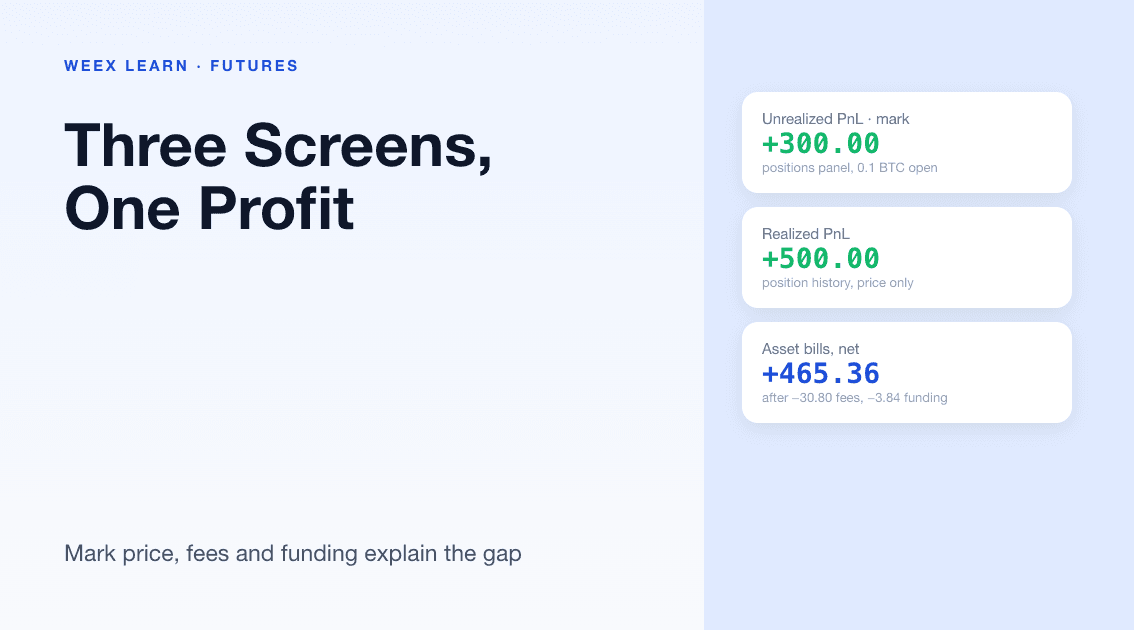
WEEX Futures PnL: Why Your Three PnL Numbers Rarely Match
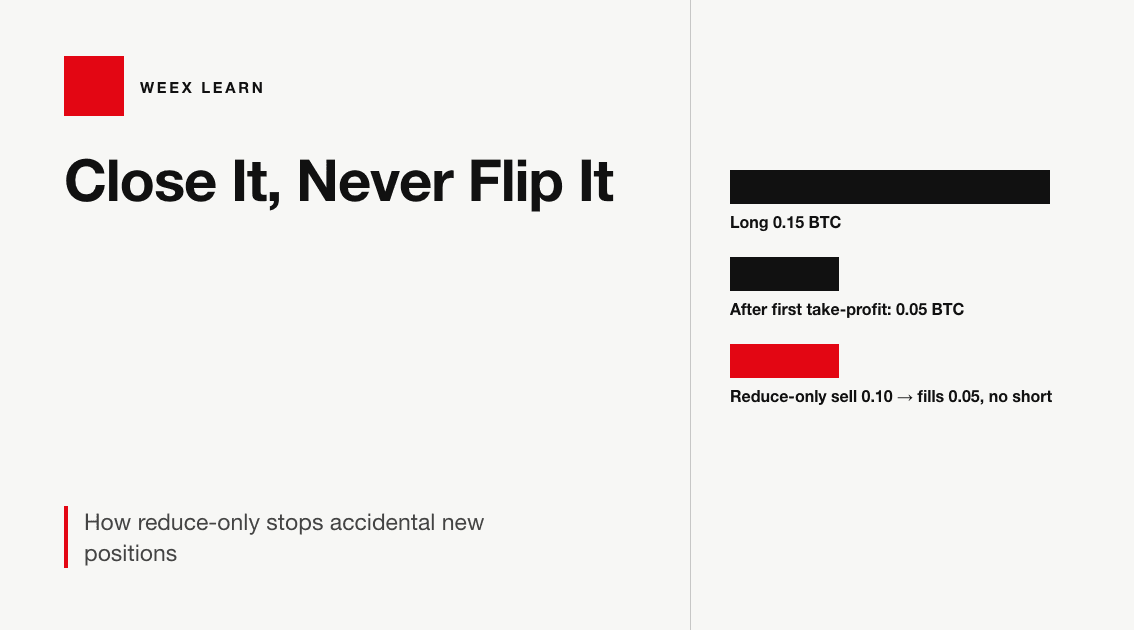
WEEX Reduce-Only Order: What It Does and When It Gets Cancelled
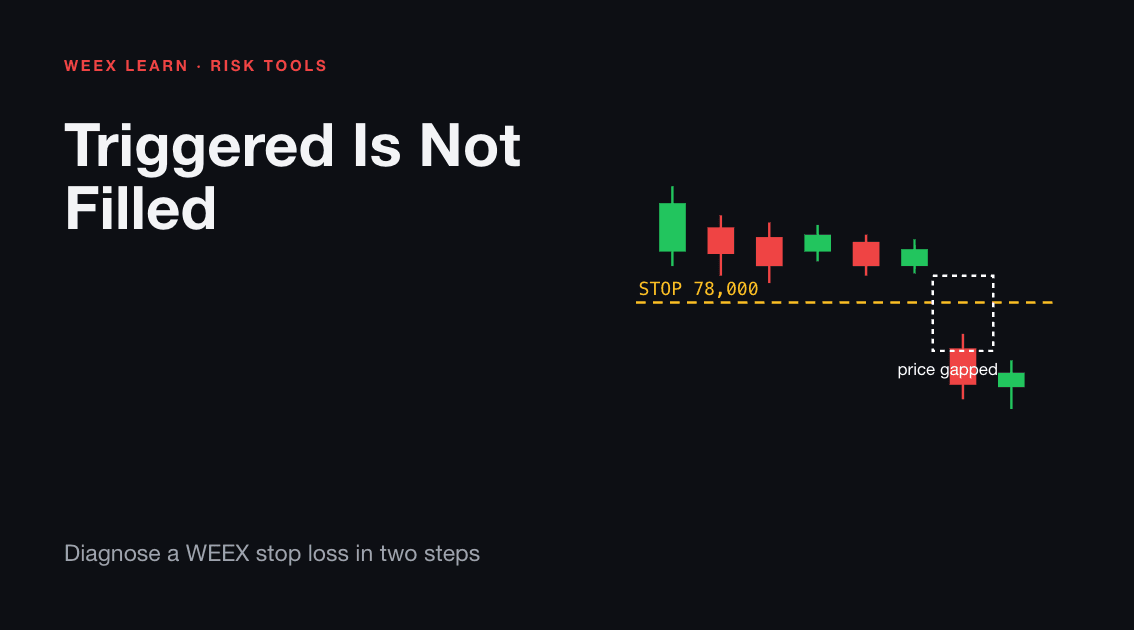
WEEX Stop Loss Not Triggered? Check the Trigger, Then the Fill
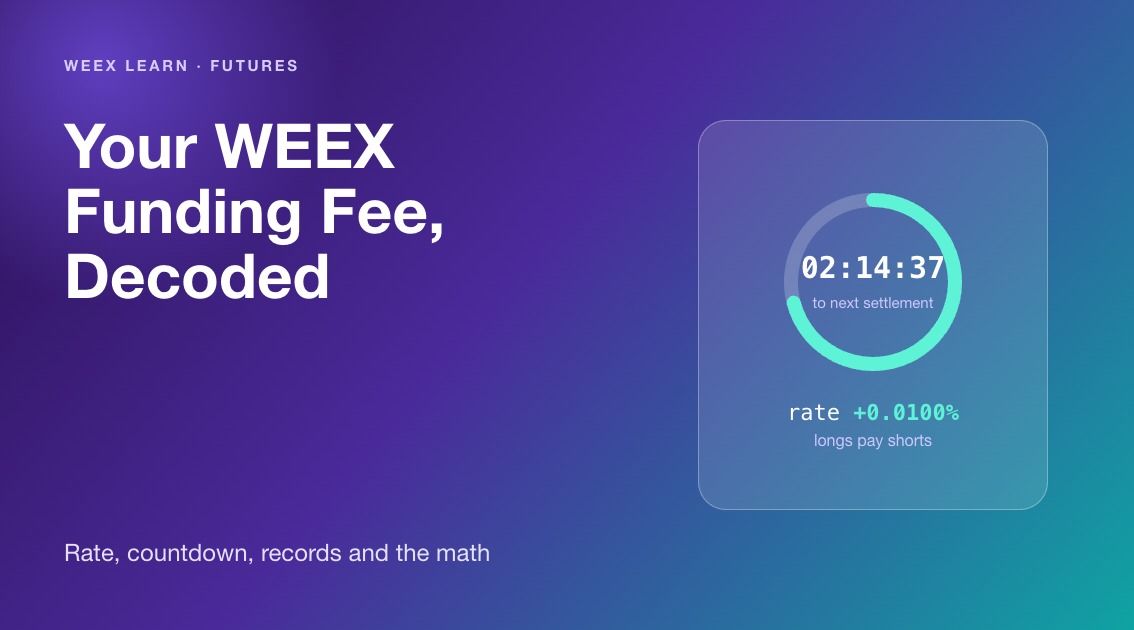
WEEX Funding Fee Explained: Rate, Countdown, Records and Math
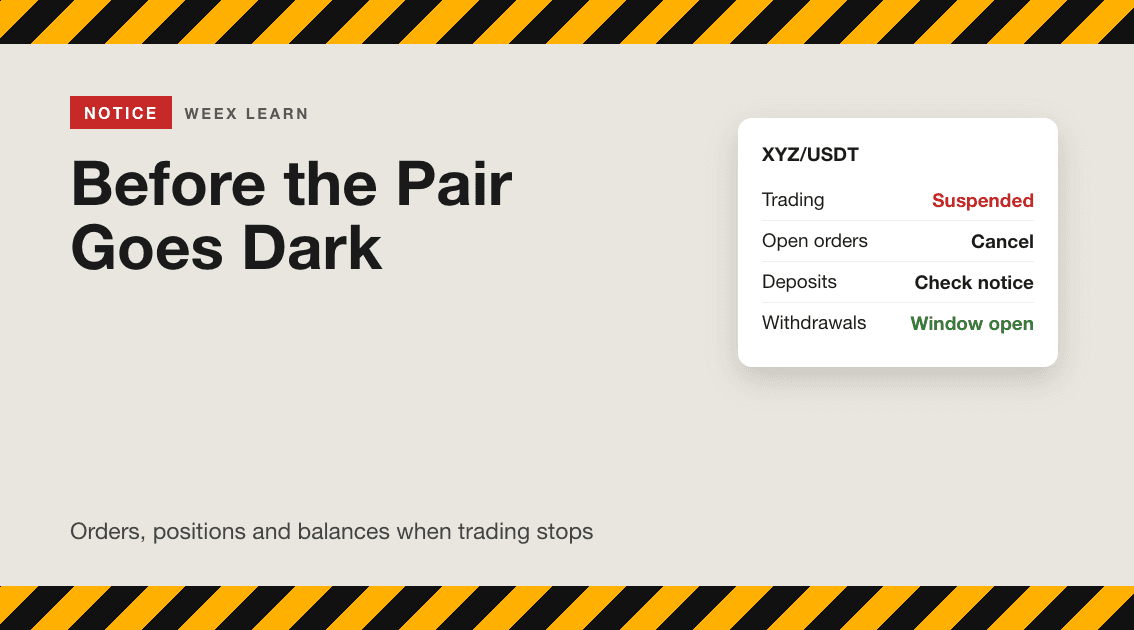
WEEX Trading Pair Suspended or Delisted? Your Orders and Assets
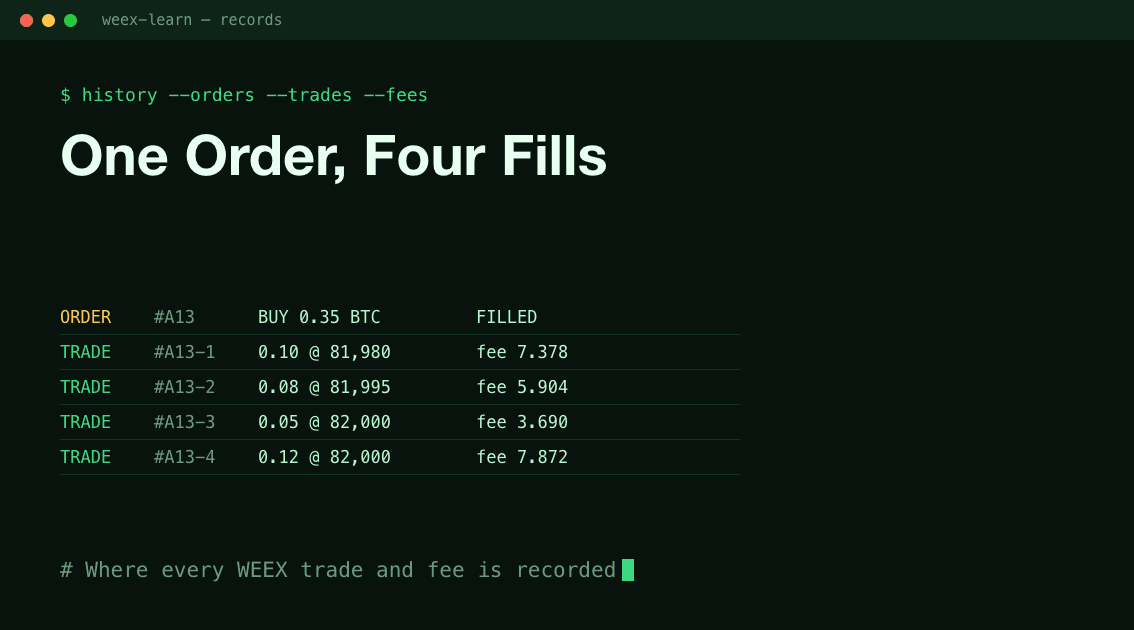
WEEX Order History: How Orders, Fills and Fees Fit Together
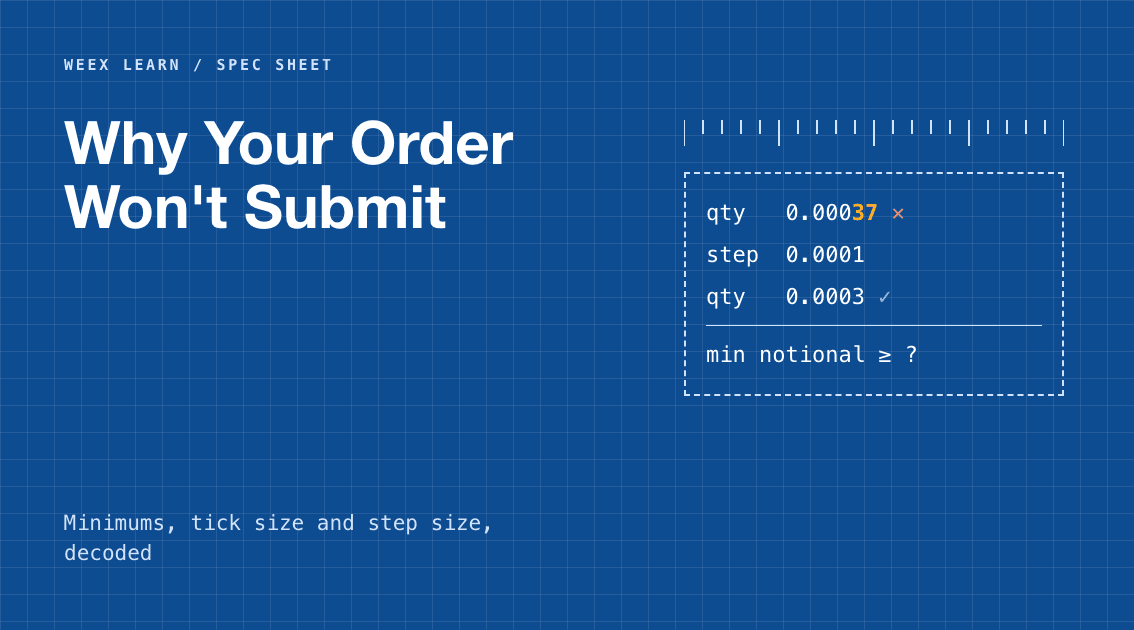
WEEX Minimum Order Size Errors Explained With Rounding Examples

Cancel WEEX Spot Order: What Returns to Your Balance and When
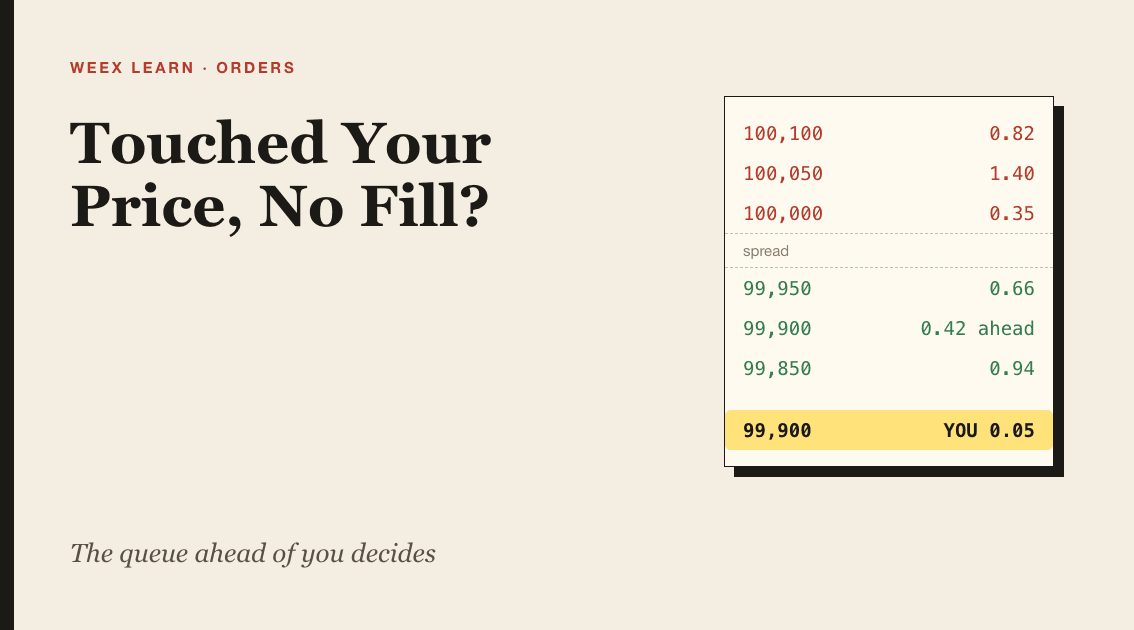
WEEX Limit Order Not Filled? Read the Book, Then Fix the Order
How to Spot Trade on WEEX: From Pair Choice to a Confirmed Fill
How to Convert ETH to USDT on WEEX: Step-by-Step Guide
How to Convert USDT to BTC on WEEX: Step-by-Step Guide
How to Convert BTC to USDT: A Step-by-Step WEEX Guide
BTC Funding Rate and Open Interest: What Each One Measures and How to Read Them Together
How Transparent Is a Crypto Exchange? Checking Proof of Reserves and Protection Funds
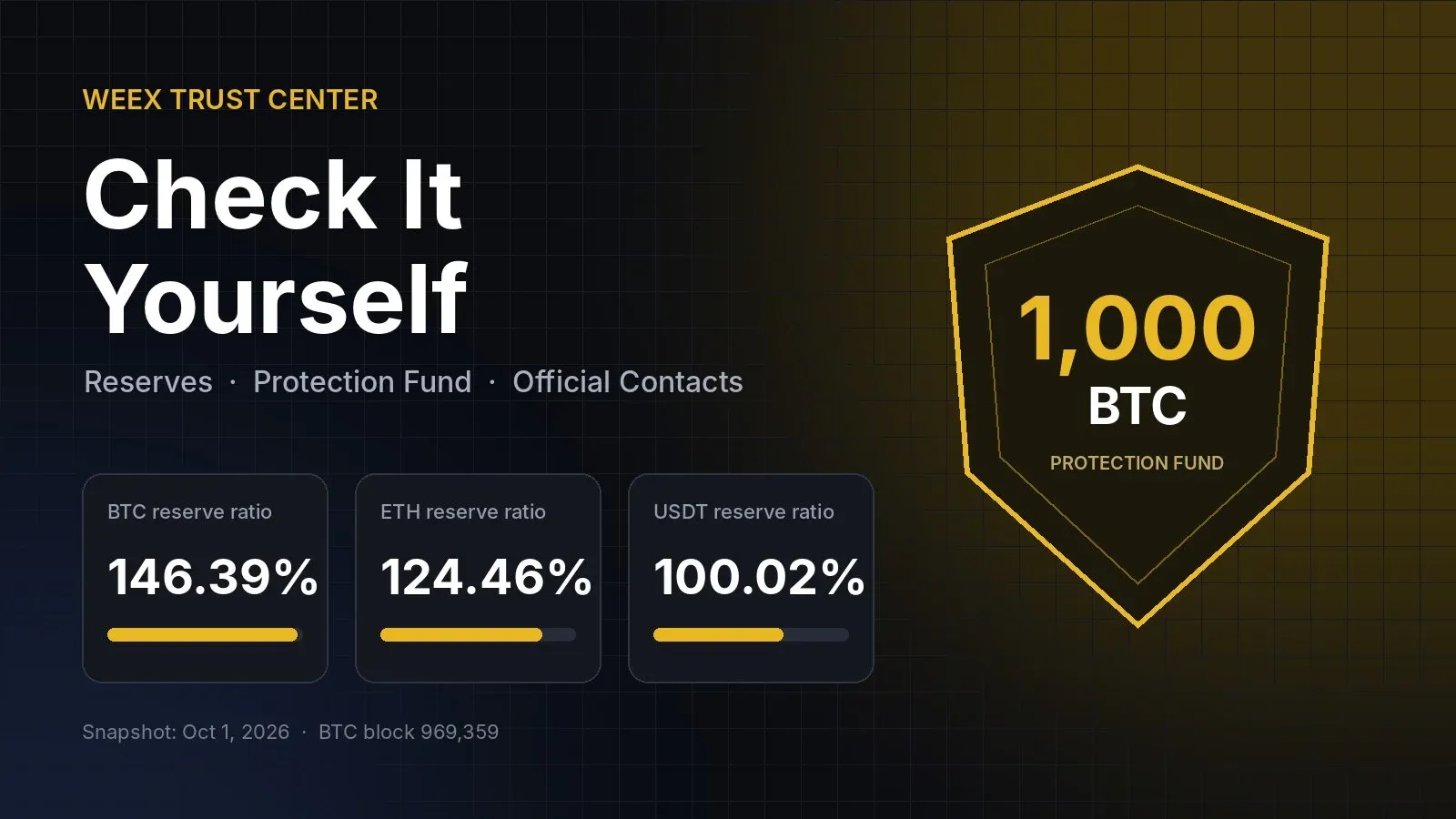
How to Use the WEEX Trust Center: Check Reserves, Protection Fund and Official Contacts
Crypto Leverage Trading Explained: How Perpetual Futures, Margin and Liquidation Work
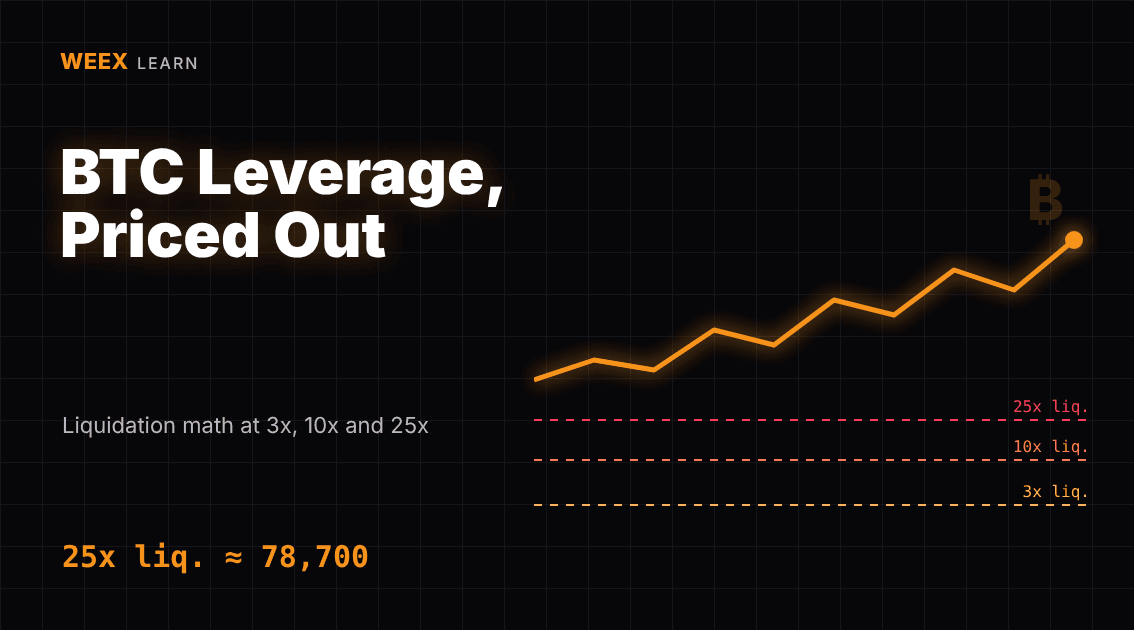
Bitcoin Margin Trading: BTC Liquidation Math at 3x, 10x and 25x

Crypto Leverage Trading Platform: 6 Checks Before You Deposit
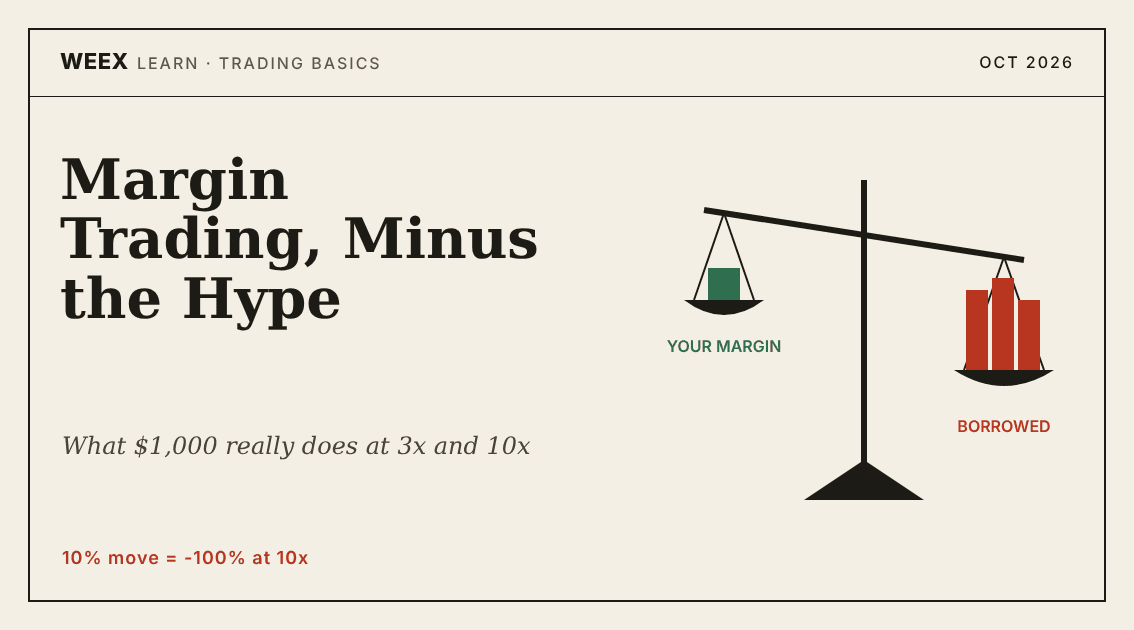
What Is Margin Trading? A $1,000 Example at 3x and 10x Leverage
How to Day Trade Crypto for Beginners: The Math Behind One Trade

Trading Psychology for Beginners: Crypto Traps and Hard Rules
What Is a Bitcoin ETF? How Creation, Custody and Fees Work

What Is Blockchain and How Does It Work? One Transaction, Traced
WEEX Convert Fees: What Zero-Fee Conversion Really Costs You
WEEX Convert Quote: How the 8-Second Price Lock Really Works
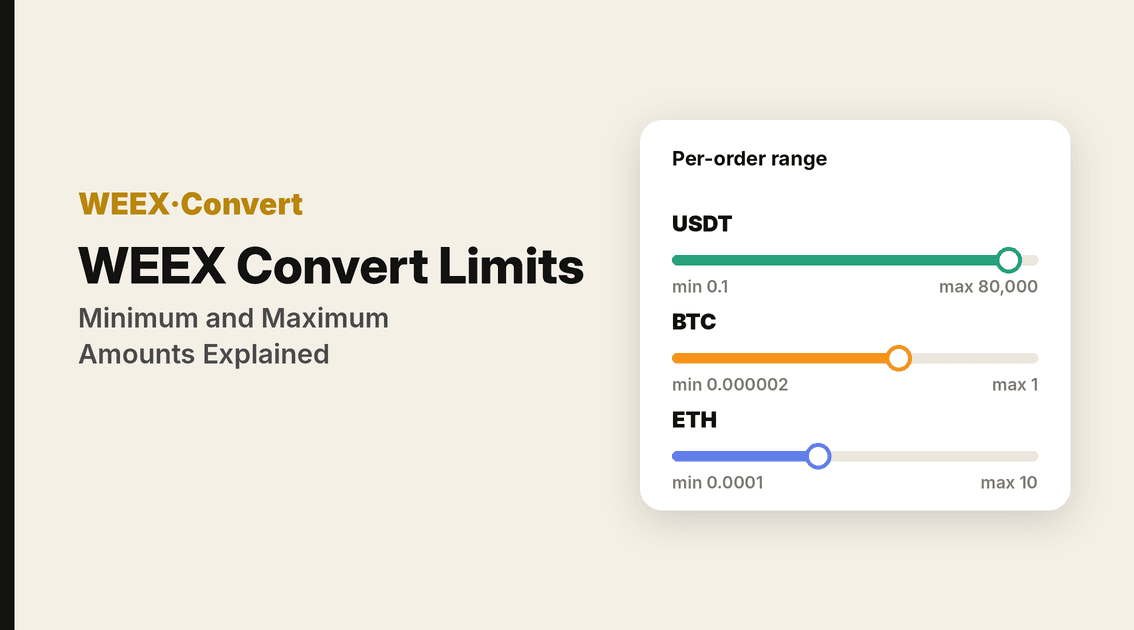
WEEX Convert Limits: Minimum and Maximum Amounts Explained
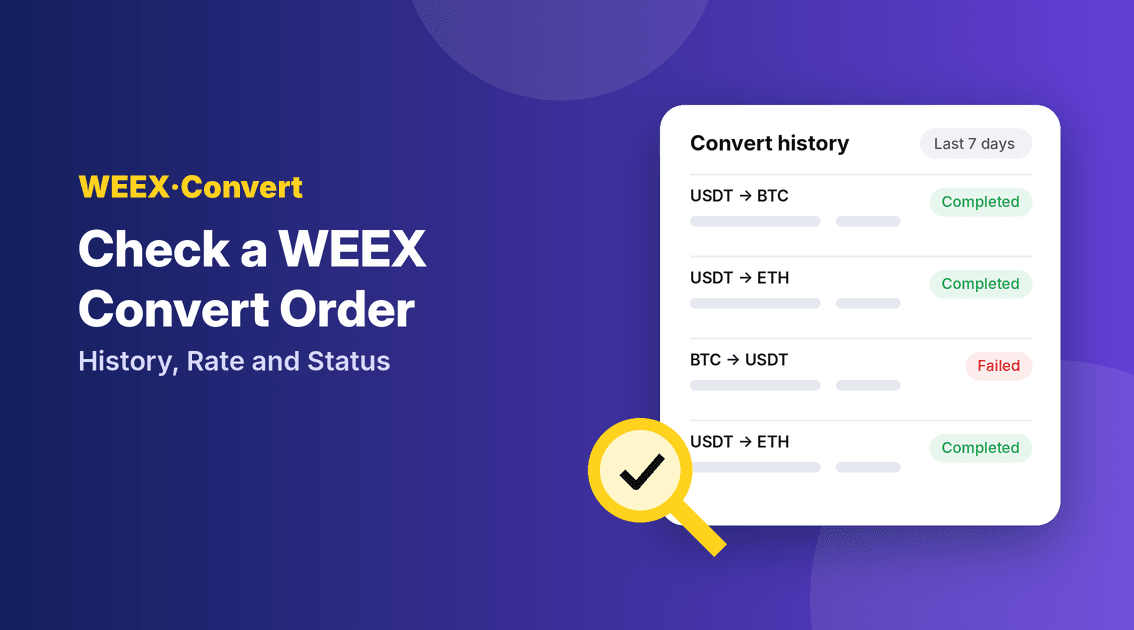
How to Check a WEEX Convert Order: History, Rate and Status

USDC Significant EMT Status in the EU: What Changes on November 12 Under MiCA
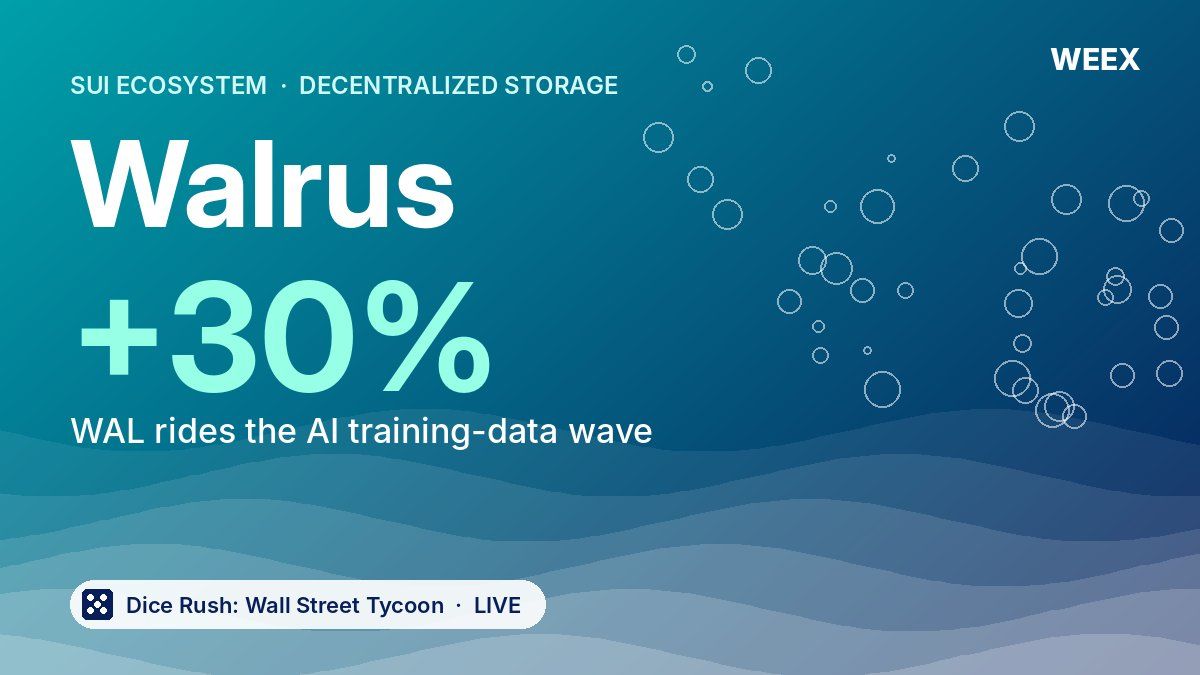
Walrus (WAL) Jumps 30%: Sui Storage Token Rallies on AI Data
WEEX Futures PnL: Why Your Three PnL Numbers Rarely Match
WEEX Reduce-Only Order: What It Does and When It Gets Cancelled
WEEX Stop Loss Not Triggered? Check the Trigger, Then the Fill
WEEX Funding Fee Explained: Rate, Countdown, Records and Math
WEEX Trading Pair Suspended or Delisted? Your Orders and Assets
WEEX Order History: How Orders, Fills and Fees Fit Together





