
Prediction Markets Are the Future of Finance or Just Gambling?

 Prefer us on Google


Prediction markets are growing from niche platforms into a broader financial and media phenomenon. Their biggest promise is turning collective opinions into market signals, but their biggest controversy is that they may also transform more aspects of everyday life into speculative bets.
Platforms such as Polymarket and Kalshi allow users to trade contracts based on future events, including elections, economic indicators, and other real-world outcomes. Supporters view them as a new way to measure expectations, while critics argue that they blur the line between financial innovation and gambling.
The future of prediction markets may depend on whether they can create useful information without encouraging excessive speculation.
How Do Prediction Markets Work?
Prediction markets allow users to buy and sell contracts linked to the outcome of future events. The contract price changes as market participants update their expectations based on new information.
Unlike traditional betting, users do not necessarily need to wait until the final result. They can trade positions before an event ends, making prediction markets closer to financial markets in structure.
However, the core activity remains similar to gambling: participants take financial risks based on uncertain outcomes.
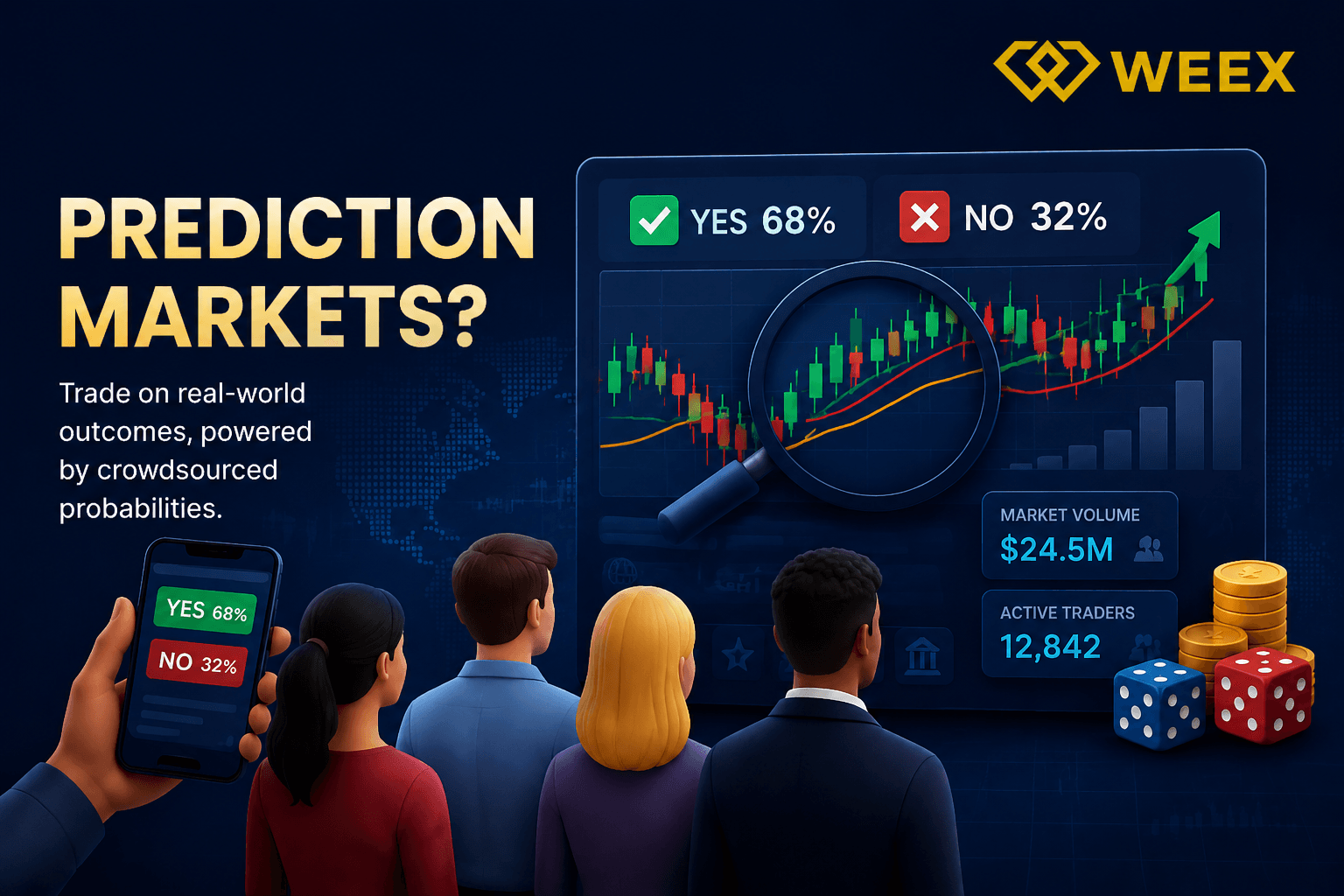
Are Prediction Markets a Better Way to Predict the Future?
One of the strongest arguments for prediction markets is the idea of “wisdom of crowds.” When many participants trade based on different information sources, market prices may reflect a broader view of future probabilities.
This concept is similar to how financial markets estimate company values. A stock price represents investors’ expectations about future performance, while a prediction market price represents expectations about a future event.
However, prediction markets are not automatically accurate. Their effectiveness depends on factors such as liquidity, participant diversity, and market size.
A small group of active traders can influence prices, meaning the market may sometimes reflect the opinions of a specific community rather than a complete picture of public expectations. The video also highlights that prediction markets can be limited by low liquidity and concentrated participation.
Therefore, prediction markets should be viewed as a source of market sentiment, not a guaranteed forecasting tool.
Why Do Prediction Markets Look Similar to Gambling?
The debate over prediction markets often comes down to one question: are they financial products or a new form of betting?
The answer is complicated because they contain elements of both.
Like financial markets, users can trade positions, respond to information, and manage risk. But like gambling, the outcome depends on uncertain future events, and participants may be attracted by the possibility of quick profits.
The video argues that prediction markets combine the experience of trading with the excitement of betting. Users are not only analyzing information but also engaging with real-time price movements and probability changes.
This combination is one reason prediction markets have attracted strong attention from both investors and regulators.
Why Are Prediction Markets Becoming Popular Among Young Users?
The rise of prediction markets is closely connected to changes in online culture and economic sentiment.
The video discusses the idea of a “suckerfication crisis,” describing a feeling among some young users that traditional paths to financial success have become less accessible. This environment can make people more interested in opportunities that promise an advantage through information, timing, or risk-taking.
Prediction markets fit this mindset because they allow users to express their opinions with real financial consequences. Instead of simply debating an election, sports match, or economic event online, users can attach money to their predictions.
This creates a stronger sense of participation, but it also increases the risk that users treat every event as an opportunity to speculate.
The Rise of “Financializing Everything”
One of the most important ideas behind prediction markets is the broader trend of financialization.
In traditional markets, investors trade assets such as stocks, bonds, and commodities. Prediction markets expand this concept by allowing users to trade expectations about events themselves.
Politics, sports, and social trends can all become market contracts.
Supporters argue that this creates a new information layer. If people have strong opinions about an event, prediction markets provide a mechanism to measure those expectations.
However, critics worry that this approach changes how people interact with important events. Instead of focusing on the event itself, users may increasingly focus on probabilities, prices, and potential profits.
The video points out that media companies are also exploring prediction markets because they create more interactive content and increase audience engagement. The cooperation between news organizations and prediction platforms reflects how prediction data is becoming part of modern media discussions.
Are Prediction Markets the Future of Finance?
Prediction markets are unlikely to become either a complete replacement for traditional finance or simply another form of online gambling. Their future will likely depend on how well they balance information discovery, user protection, and market innovation.
If prediction markets can provide reliable signals and operate under clear regulations, they may become a useful tool for understanding public expectations. But if they mainly encourage short-term speculation and emotional trading, their value may be limited.
The most important question is not whether prediction markets are finance or gambling. It is whether they can help people better understand uncertainty without turning every uncertainty into a bet.
Disclaimer: This content is provided for general branding and informational purposes only and doesn't constitute financial, investment, legal, or tax advice. Any events, rewards, online events, or related information mentioned herein should not be considered a recommendation, solicitation, or invitation to purchase, sell, trade, or otherwise deal in any crypto assets or to use any services. Crypto assets are highly volatile and may result in loss. WEEX services and online events may not be available in all regions and are subject to applicable laws, regulations, and eligibility requirements. You are responsible for ensuring that your use of WEEX services complies with local laws and for carefully assessing the risks before participating in any crypto-related activities.
You may also like

Tesla Stock Is Down 17% in 2026: What Q2 Earnings Need to Deliver to Turn the Story Around

What Is Mark Cuban's Stock Options Philosophy? How SpaceX Turned Welders Into Millionaires

SPCX Stock Price and the $25 Billion Short Position: Is a Short Squeeze Coming?

Is SPCX Stock Price a Buy? What Uber, Airbnb and Rivian's IPO Crashes Tell Investors
SPCX Stock Price Hits All Time Low: What Investors Should Do Right Now

How Will the CLARITY Act and Bank-Grade Stablecoin KYC Rules Change Crypto Trading in 2026

Why Is BitMine Buying Millions of Ethereum Tokens and Staking $9 Billion in ETH in 2026
How to Protect Your Bitcoin from Physical Attacks: Lessons From the NYC Crypto Torture Case in 2026
What Is the NYC Crypto Kidnapping Case? The Soho Bitcoin Attack Explained — 2026 Case Analysis

SpaceX Stock (SPCX): Now Public, and Back Where It Started
USA Rare Earth (USAR): What It Is and How to Trade the Token
NVIDIA Stock in 2026: Real Shares, Tokenized NVDA, and Perpetuals Compared
How to Buy USAR Coin: Buying Tokenized USA Rare Earth Stock the Right Way
WEEX Poker Party Series 4: Draw Cards to Split a $1M USDT Pool
Can TENDIES Coin Recover After the Pullback? Price Outlook Explained
Who Really Makes Money on Prediction Markets? Smart Money vs Retail Traders
The Hidden Problem With Prediction Markets: Who Pays the Winners?
How Polymarket and Kalshi Turned Predictions Into a Billion-Dollar Business

Why Prediction Markets Are So Hard to Regulate: The CFTC vs SEC Debate
Are Prediction Markets Legal? CFTC vs SEC Regulation Explained
Why Is TSMC Stock Down After a 77% Profit Jump? What Wall Street Is Actually Worried About
Is Samsung Stock a Buy at Its Lowest Level Since the AI Boom Began?
Samsung Stock and the KOSPI Bear Market: What the 30% Decline From Peak Tells Investors
Oil Price Above $90: What the US-Iran War Means for Your Portfolio Right Now
Iran War and Bitcoin: Why Crypto Is Not Acting Like a Safe Haven at $90 Oil
KOSPI Stock Market Enters Bear Market: What a 25% Drop From the Peak Means for Investors
KOSPI Stock Bear Market: What It Means for Samsung, SK Hynix and Korean Chip Stocks
Is the KOSPI Stock Market a Buy After Entering Bear Market Territory?
SK Hynix Leveraged ETFs SKHL SKHX SKHZ: What Each One Does and Who Should Use Them
Barclays Sees 70% Upside for SK Hynix Stock: What the Overweight Rating Means
Tesla Stock Is Down 17% in 2026: What Q2 Earnings Need to Deliver to Turn the Story Around
What Is Mark Cuban's Stock Options Philosophy? How SpaceX Turned Welders Into Millionaires
SPCX Stock Price and the $25 Billion Short Position: Is a Short Squeeze Coming?
Is SPCX Stock Price a Buy? What Uber, Airbnb and Rivian's IPO Crashes Tell Investors
SPCX Stock Price Hits All Time Low: What Investors Should Do Right Now
How Will the CLARITY Act and Bank-Grade Stablecoin KYC Rules Change Crypto Trading in 2026
Contents
Popular coins
Latest articles





