
WEEX Security Alert — Social Media And Online Forums

 Prefer us on Google
Social media and online forums are vital sources of information, community interaction, and real-time updates in the cryptocurrency ecosystem. However, these platforms also harbor considerable risks—including scams, false information, and cybersecurity threats. Recognizing these dangers and adopting proactive safety measures is critical to protecting both your investments and personal data. This article examines common threats encountered online and provides actionable strategies to navigate crypto-related social spaces securely.
Common Risks
Malware and Phishing Attacks
Cybercriminals frequently employ malware and phishing tactics to steal cryptocurrency assets. Phishing attempts often come in the form of deceptive emails or messages that mimic trusted sources, urging users to click harmful links or disclose sensitive information such as private keys and passwords. Meanwhile, malware can be concealed within seemingly legitimate software downloads, enabling unauthorized access to devices and crypto wallets once installed.
A prominent example involves phishing emails impersonating well-known platforms like LocalBitcoins. These messages prompt users to click links that either lead to fake login pages or directly install malware, putting both credentials and stored cryptocurrencies at risk. Staying vigilant and verifying the authenticity of any request is crucial to avoiding such threats.
Personal Information Leaks
Publicly sharing personal details on forums or social platforms can make you vulnerable to identity theft, targeted harassment, or sophisticated scams. Fraudsters often use such information to build false trust and manipulate victims into disclosing sensitive data—such as private keys or passwords—or making unsafe financial choices.
Scams and Fraud
Cryptocurrency-focused social media platforms and online forums are fertile ground for a variety of fraudulent activities. Common schemes include fake initial coin offerings (ICOs), phishing sites, Ponzi programs, and organized pump-and-dump groups. Among these, one particularly widespread tactic is the counterfeit crypto giveaway, in which scammers pose as prominent figures or well-known projects to lure victims.
These scams often exploit the reputations of celebrities such as Elon Musk, using fabricated or hacked social media accounts to appear legitimate. They typically promise to double any cryptocurrency sent to them—a classic red flag, as no legitimate offer guarantees returns in this manner. Recognizing these too-good-to-be-true promises is essential to avoiding financial loss.
Misinformation
The cryptocurrency landscape is often saturated with misinformation and exaggerated hype. Unverified rumors and misleading claims—whether about upcoming projects or speculative price movements—can easily lead to impulsive and ill-informed investment choices. Distinguishing between credible information and unfounded speculation is critical for making sound decisions.
Additionally, scammers often employ fake accounts and orchestrate coordinated comment campaigns to create a false sense of legitimacy around fraudulent schemes. By flooding social media threads and forums with overly positive messages, they manipulate perception and lure unsuspecting users into scams. Maintaining a skeptical and research-driven approach is key to navigating this environment safely.
How to Stay Safe on Social Media And Online Forums
- Always Choose the Right Platform: When engaging with the crypto community, it’s important to choose trusted platforms and forums that enforce strict moderation and clear security guidelines. Established platforms such as Reddit communities like r/Cryptocurrency and r/Bitcoin, Twitter accounts with verified credibility, and well-moderated crypto forums often implement strong protective measures to screen out scams, false information, and malicious activity, helping users engage more safely.
- Use Strong Passwords: Be sure to use strong and unique passwords for every online account you own. Steer clear of easily guessed phrases—such as birthdays, common words, or sequential characters. For stronger protection, combine uppercase and lowercase letters, numbers, and special symbols in each password.
- Enable 2FA: Be sure to enable two-factor authentication (2FA) on all supported platforms. This provides an additional security barrier by requiring a second verification step—such as a code from an authentication app or SMS—along with your password. Widely used apps like Google Authenticator and Authy generate temporary six-digit codes that refresh periodically, significantly enhancing account protection.
- Verify Information: Before taking any action, always verify the information through multiple reliable sources. Cross-check news and claims against official project announcements and trusted media outlets to ensure accuracy.
- Be Careful about Personal Information: Be extremely cautious with the information you share online. Refrain from disclosing personal details such as your full name, physical address, phone number, or any financial data. Where possible, use pseudonyms or non-identifiable usernames instead of your real identity. Adopting these habits helps protect you from identity theft, targeted scams, and unwanted exposure in an increasingly connected—and, and often risky—digital world.
Additional Tips
Regularly Update Software and Devices
Keep your operating systems, applications, and devices updated. Regular updates often include critical security patches that address vulnerabilities and protect against emerging threats.
Educate Yourself Continuously
Stay informed about evolving security practices and threats within the cryptocurrency ecosystem. Follow trusted sources, attend webinars, and regularly review cybersecurity guidelines to enhance your awareness and preparedness.
Engage With Trusted Communities
Join established and reputable crypto communities that feature active moderation and a commitment to accurate information. Platforms such as dedicated Discord servers, Reddit subgroups, or verified Telegram groups can offer valuable support and insights.
Use a Virtual Private Network (VPN)
Employ a VPN to encrypt your internet connection and enhance your online privacy. This helps prevent attackers from intercepting your data, especially when accessing sensitive accounts or making transactions.
Avoid Public Wi-Fi for Sensitive Activities
Refrain from conducting financial or crypto-related transactions over public Wi-Fi networks. These connections are often unsecured and susceptible to interception. Always use a private and protected network when managing digital assets.
Never Store Digital Copies of Sensitive Crypto Information
A critical mistake—whether made by new or experienced users—is, is creating digital records of wallet passwords, seed phrases, or backup codes. Avoid storing this information in screenshots, emails, notes apps, or cloud services, as these are vulnerable to hacking, malware, and unauthorized access. Instead, record these details on paper or use durable physical storage solutions such as metal plates offered by providers like Cryptotag, Coldbit, Cryptosteel, or Simbit.
-- Price
Final Thoughts
Navigating the world of cryptocurrencies on social media and online forums requires caution, awareness, and proactive security measures. As a user of WEEX, you can further enhance your safety by leveraging the platform’s built-in security features—such as two-factor authentication (2FA) and withdrawal address whitelisting—alongside the protective practices highlighted in this guide. By understanding common risks, verifying information across trusted sources, and adopting robust security habits, you can significantly reduce exposure to scams and cyber threats.
Continue to educate yourself, engage with reliable communities, and utilize privacy tools like VPNs when accessing your WEEX account or other sensitive services. With the right precautions and the security-first approach offered by WEEX, you can participate more confidently in the crypto ecosystem and make well-informed decisions to protect both your investments and your personal data.
Further Reading
This content is provided for general informational purposes only and doesn't constitute financial, investment, legal, or tax advice. Any events, rewards, online promotions, or related information mentioned herein should not be considered a recommendation, solicitation, or invitation to purchase, sell, trade, or otherwise deal in any crypto assets. Crypto assets are highly volatile and may result in loss. The availability of WEEX services, products, and related events may vary by region. You are responsible for ensuring that your participation is in accordance with applicable local laws and regulations.
You may also like
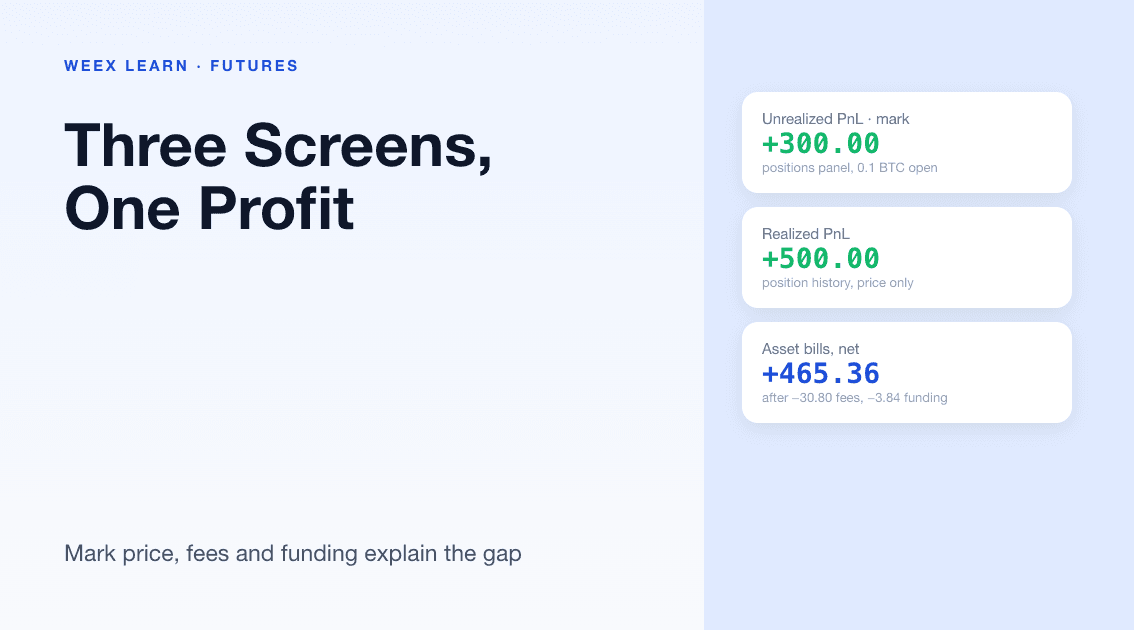
WEEX Futures PnL: Why Your Three PnL Numbers Rarely Match

WEEX Reduce-Only Order: What It Does and When It Gets Cancelled
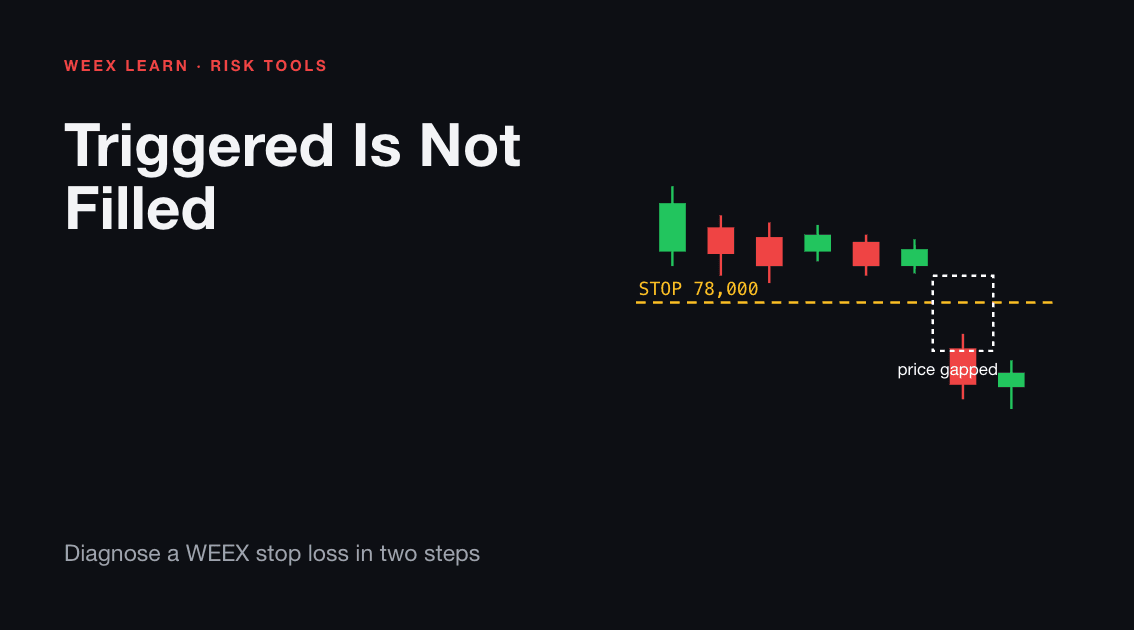
WEEX Stop Loss Not Triggered? Check the Trigger, Then the Fill
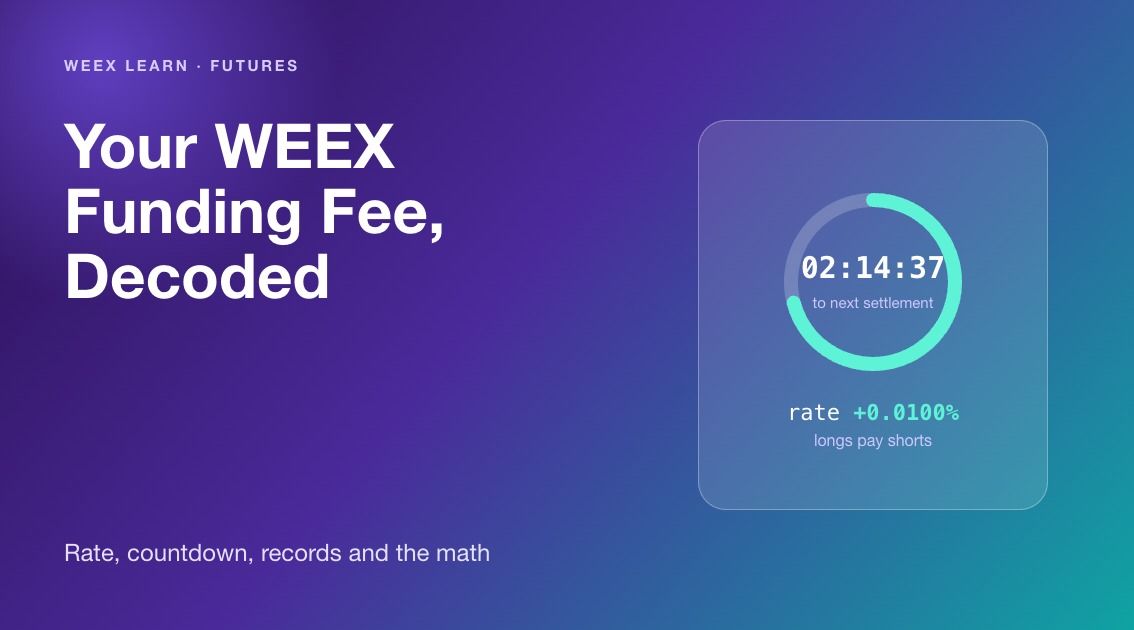
WEEX Funding Fee Explained: Rate, Countdown, Records and Math
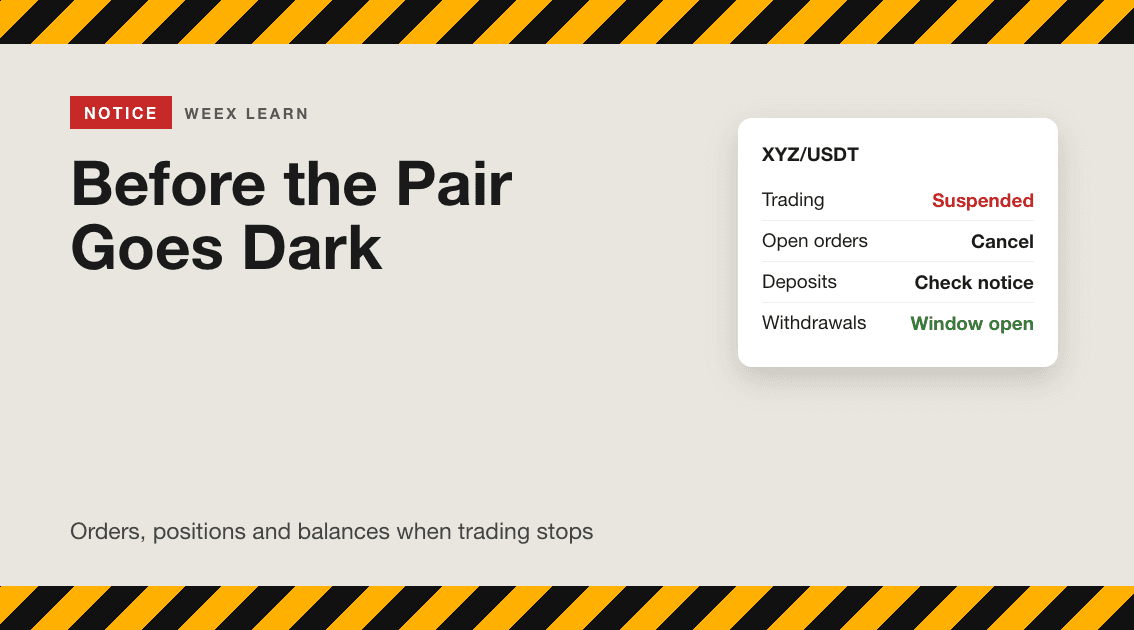
WEEX Trading Pair Suspended or Delisted? Your Orders and Assets
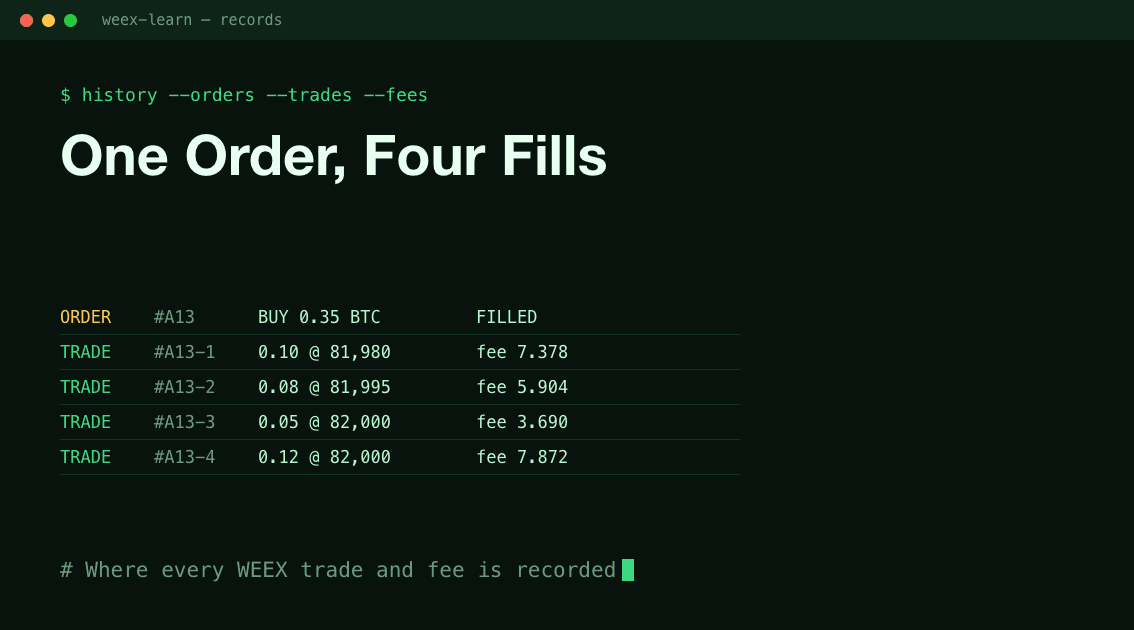
WEEX Order History: How Orders, Fills and Fees Fit Together
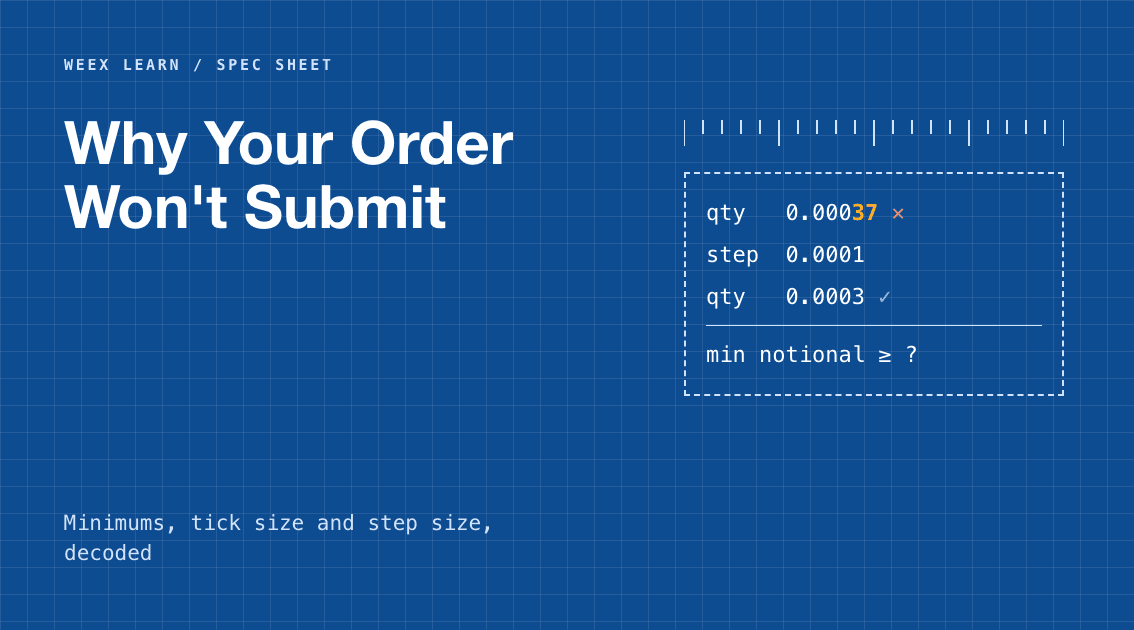
WEEX Minimum Order Size Errors Explained With Rounding Examples
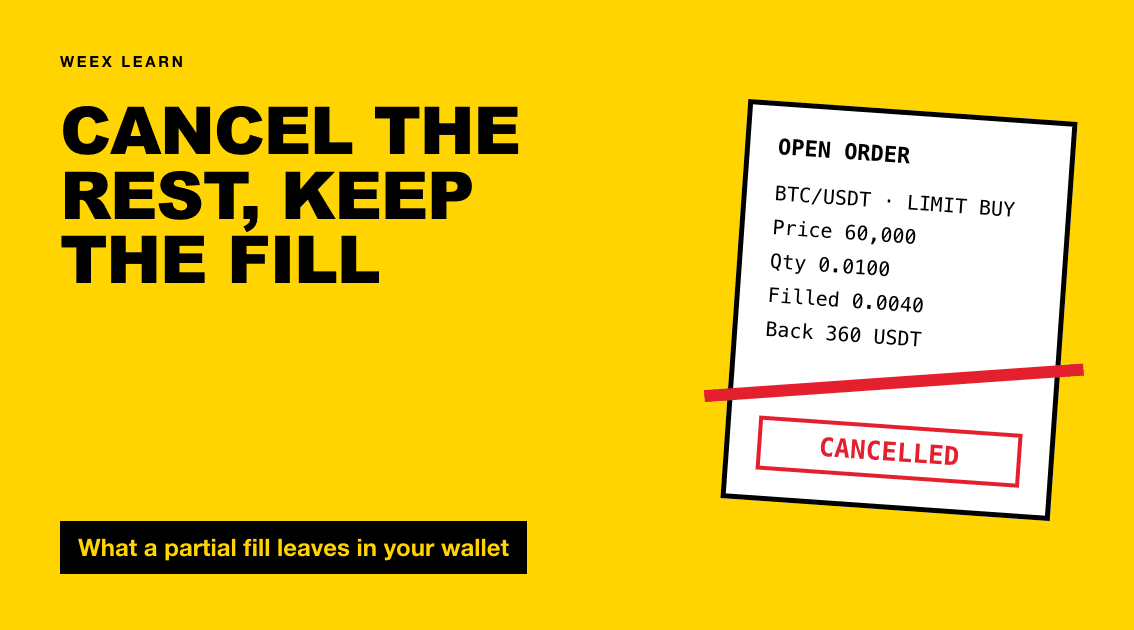
Cancel WEEX Spot Order: What Returns to Your Balance and When
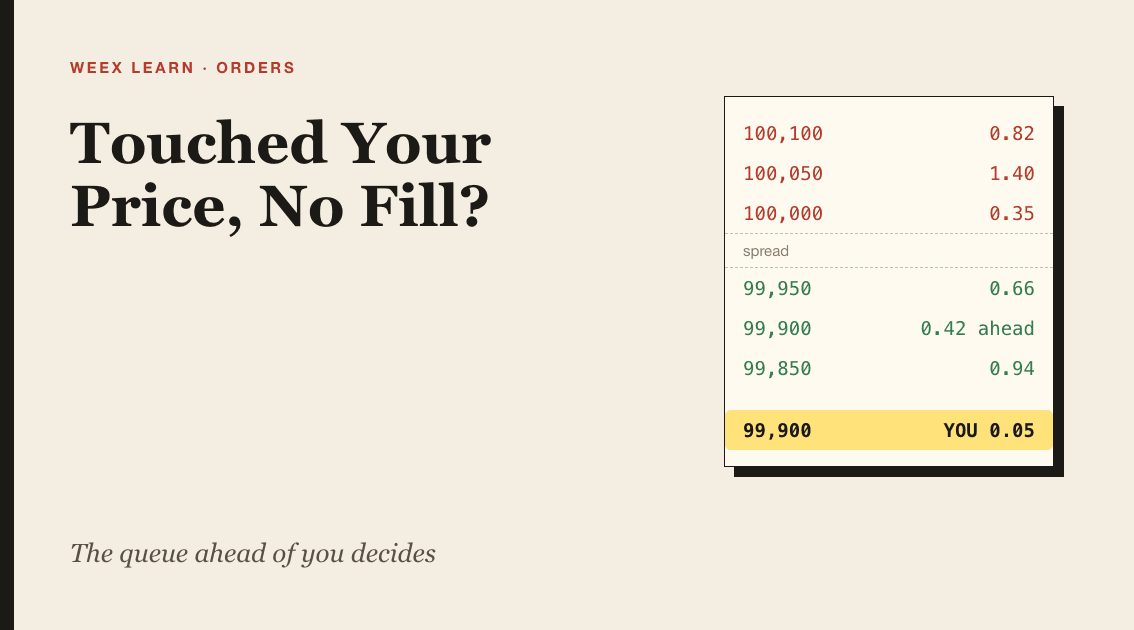
WEEX Limit Order Not Filled? Read the Book, Then Fix the Order
How to Spot Trade on WEEX: From Pair Choice to a Confirmed Fill
How to Convert ETH to USDT on WEEX: Step-by-Step Guide
How to Convert USDT to BTC on WEEX: Step-by-Step Guide
How to Convert BTC to USDT: A Step-by-Step WEEX Guide
BTC Funding Rate and Open Interest: What Each One Measures and How to Read Them Together
How Transparent Is a Crypto Exchange? Checking Proof of Reserves and Protection Funds
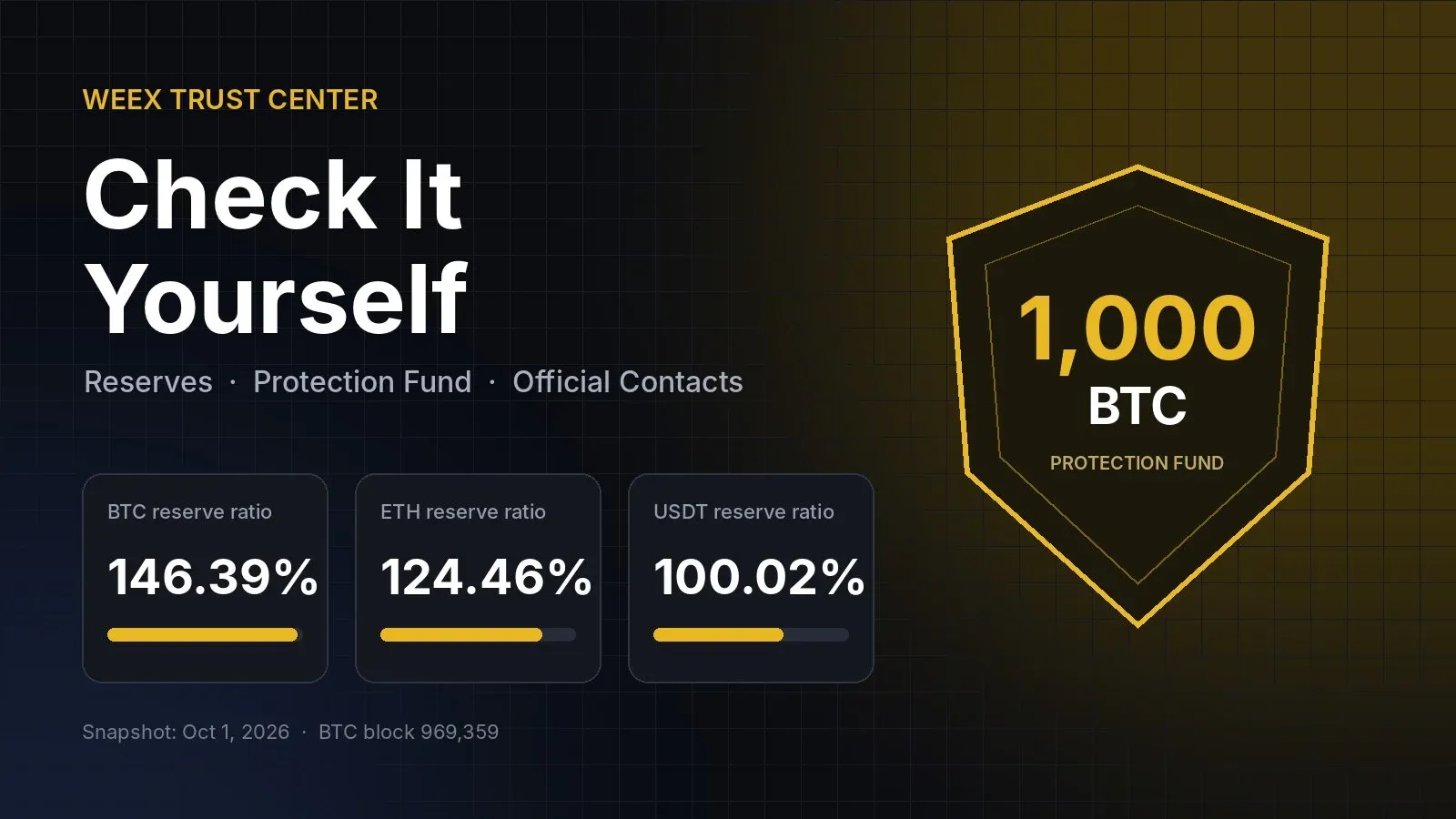
How to Use the WEEX Trust Center: Check Reserves, Protection Fund and Official Contacts
Crypto Leverage Trading Explained: How Perpetual Futures, Margin and Liquidation Work
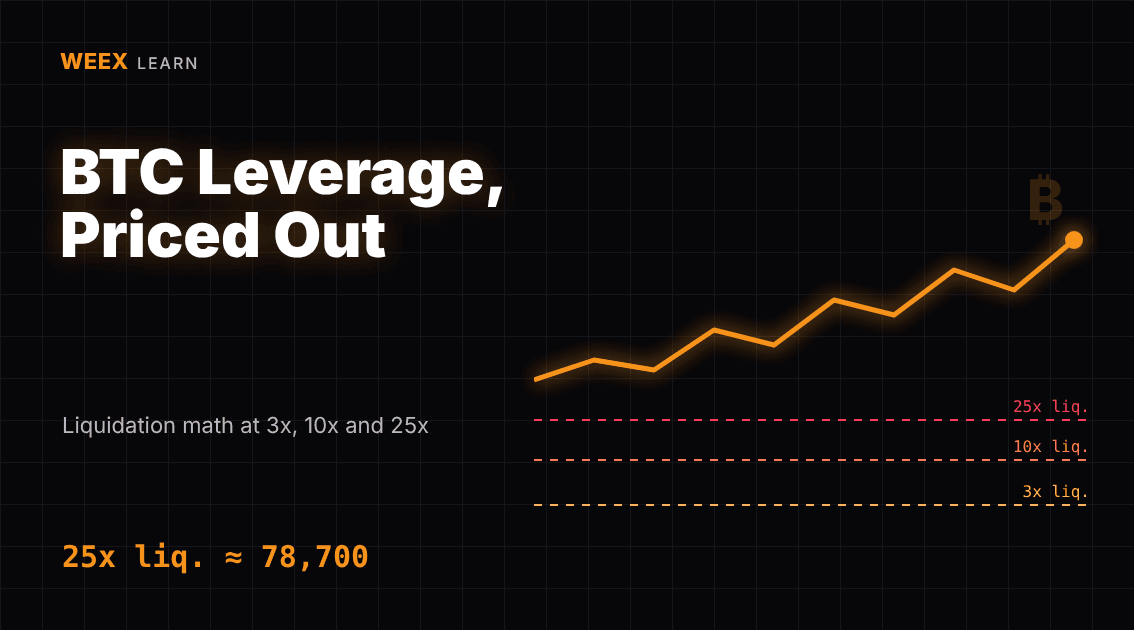
Bitcoin Margin Trading: BTC Liquidation Math at 3x, 10x and 25x

Crypto Leverage Trading Platform: 6 Checks Before You Deposit
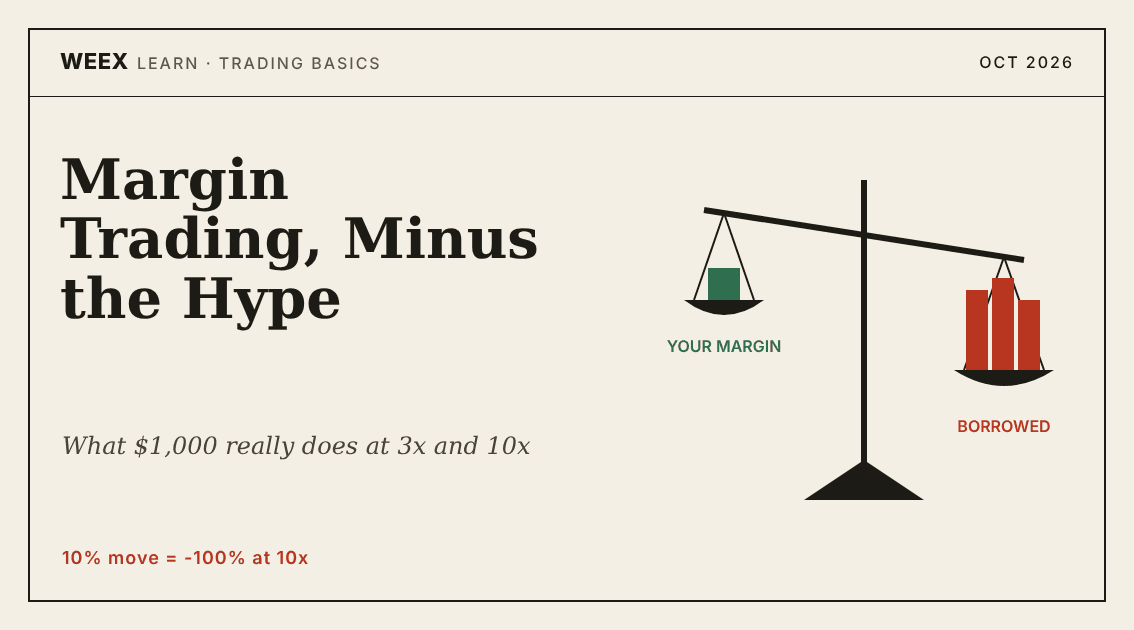
What Is Margin Trading? A $1,000 Example at 3x and 10x Leverage
How to Day Trade Crypto for Beginners: The Math Behind One Trade

Trading Psychology for Beginners: Crypto Traps and Hard Rules
What Is a Bitcoin ETF? How Creation, Custody and Fees Work
What Is Blockchain and How Does It Work? One Transaction, Traced
WEEX Convert Fees: What Zero-Fee Conversion Really Costs You
WEEX Convert Quote: How the 8-Second Price Lock Really Works
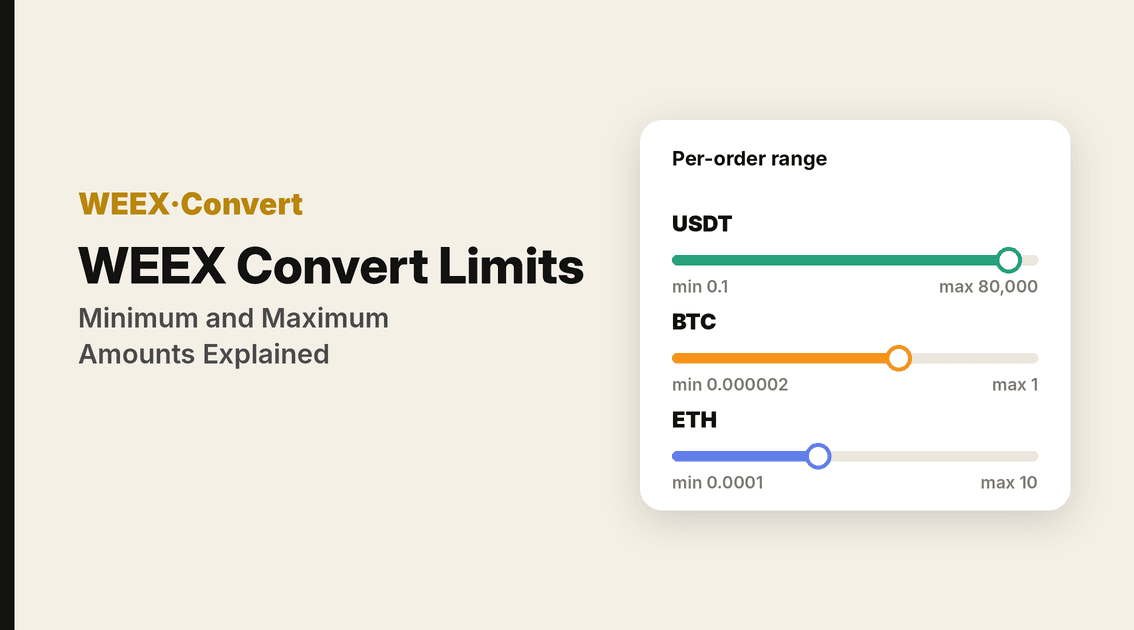
WEEX Convert Limits: Minimum and Maximum Amounts Explained
How to Check a WEEX Convert Order: History, Rate and Status
USDC Significant EMT Status in the EU: What Changes on November 12 Under MiCA
Walrus (WAL) Jumps 30%: Sui Storage Token Rallies on AI Data
WEEX Futures PnL: Why Your Three PnL Numbers Rarely Match
WEEX Reduce-Only Order: What It Does and When It Gets Cancelled
WEEX Stop Loss Not Triggered? Check the Trigger, Then the Fill
WEEX Funding Fee Explained: Rate, Countdown, Records and Math
WEEX Trading Pair Suspended or Delisted? Your Orders and Assets
WEEX Order History: How Orders, Fills and Fees Fit Together





