
WEEX Security Alert — Malicious Approval Scam

 Prefer us on Google
What is a Malicious Approval Scam?
Malicious approval scams are among the most widespread and damaging threats in the Web3 space, impacting countless users.
In Web3, when you interact with a smart contract, you are often required to grant permissions by signing a transaction. Common examples include:
- Approving a dApp to access your tokens.
- Granting a contract permission to transfer your NFTs.
- Performing seemingly harmless actions like logging in or verifying ownership
Malicious approval scams exploit these actions by tricking users into granting harmful contracts permission to transfer their assets.
Key Features
- Trick Users into Granting Dangerous Permissions Scammers impersonate legitimate dApps, airdrops, or NFT projects. They lure users into clicking an “Approve” button, which actually authorizes malicious actions like token or NFT access.
- Assets Are Drained Without a Transfer You didn’t send anything—you only clicked “Confirm.” But once approval is granted, attackers can transfer your assets at any time without further action from you.
- Approvals Are Often Unlimited Most malicious contracts request the maximum possible allowance, giving them permanent and unrestricted access to your tokens or NFTs.
- The Contract Is Passive Scam contracts don’t actively steal funds. They rely entirely on users willingly signing approvals, which helps them evade conventional security warnings.
- Misleading Signature Prompts Wallet approval prompts are often overly technical or oversimplified, making it difficult to understand what you’re signing. Many users assume it’s a harmless authorization and confirm without realizing the risk.
Common Scenarios
- Fake Airdrop or NFT Minting Pages Sites promote “limited airdrops” or “free mints.” Clicking the button triggers a request to approve token or NFT access. Once approved, scammers can drain your assets anytime.
- Fake DEX or Swap Platforms You connect your wallet to a fake decentralized exchange to swap tokens. Instead of executing a trade, the site tricks you into approving token access. Your funds are then stolen.
- Fake Staking or Game Platforms You are prompted to “stake tokens” or “start playing” on a deceptive DeFi or GameFi platform. The site requests approval for your tokens or NFTs—but the entire platform is fake.
- Hacked Frontends of Legitimate Projects Attackers compromise trusted websites or hijack DNS records to replace legitimate contracts with malicious ones. Users believe they’re using a real dApp but are actually approving harmful permissions.
- Fake Customer Support or Documentation A fake support agent sends a link claiming to “resolve an issue.” The page asks you to approve a contract, which is actually designed to steal your assets.
How It Works
The core idea behind malicious approvals is simple:
It exploits users’ lack of awareness about on-chain permissions. By misleading you into granting approvals, scammers gain control of your assets and steal them without your knowledge.
Technical Process
A typical malicious approval scam follows these steps:
- Scammer deploys a malicious contract (which does not initiate transfers itself).
- The user is tricked into calling approval (for tokens).
- Approval is granted—assets remain in the wallet temporarily.
- Scammers use functions to move funds into their wallet.
- Since the transaction is user-approved, it is considered valid and is not blocked.
Best Practices to Protect Yourself
Watch for these red flags to avoid malicious approvals:
- The dApp has no real functionality—it, it only prompts for approval.
- It requests access to high-value assets like ETH, stablecoins, or NFTs.
- The approval has no spending limit.
- The signature popup shows high-risk actions.
- The website appears unprofessional or mimics a known project.
- Avoid clicking random links or approving requests from unverified sources like Telegram DMs or Twitter replies.
Conclusion
If you don’t understand it, don’t sign it. If it’s not a trade, think twice before approving.
For everyday users, approving smart contract permissions should be done with extreme caution. Adopt a security-first mindset: treat every approval as potentially transferring funds. Always scrutinize and double-check every authorization before signing.
Further Reading
This content is provided for general informational purposes only and doesn't constitute financial, investment, legal, or tax advice. Any events, rewards, online promotions, or related information mentioned herein should not be considered a recommendation, solicitation, or invitation to purchase, sell, trade, or otherwise deal in any crypto assets. Crypto assets are highly volatile and may result in loss. The availability of WEEX services, products, and related events may vary by region. You are responsible for ensuring that your participation is in accordance with applicable local laws and regulations.
You may also like
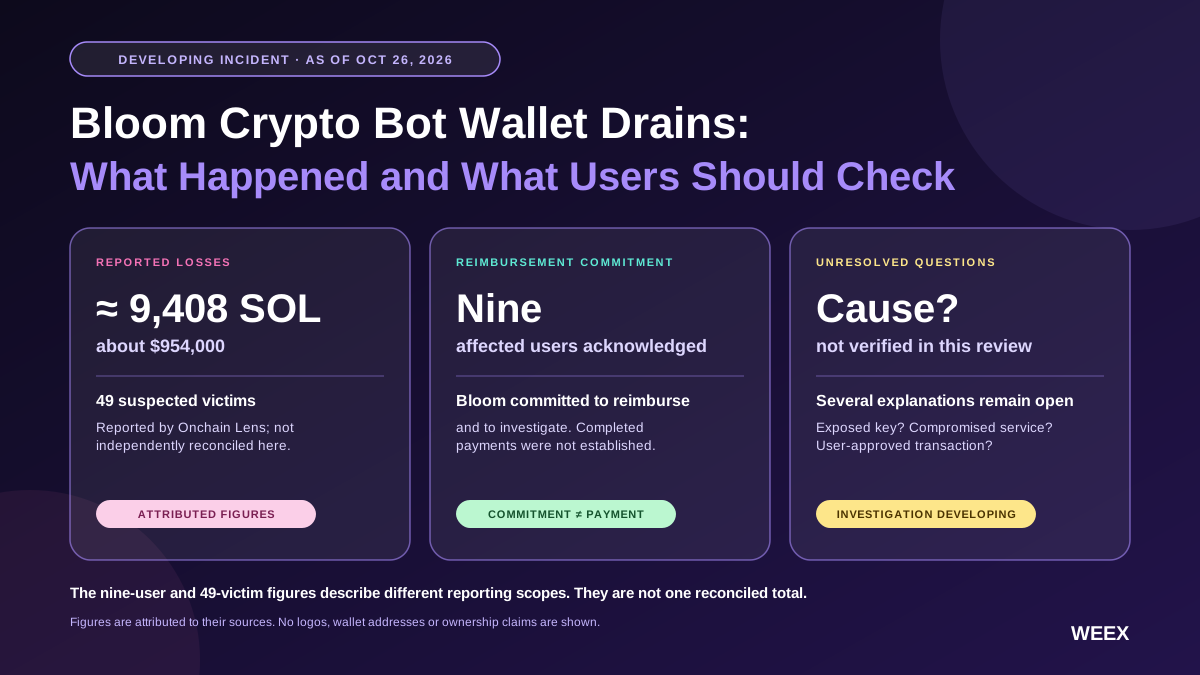
Bloom Crypto Bot Wallet Drains: What Happened and What Users Should Check
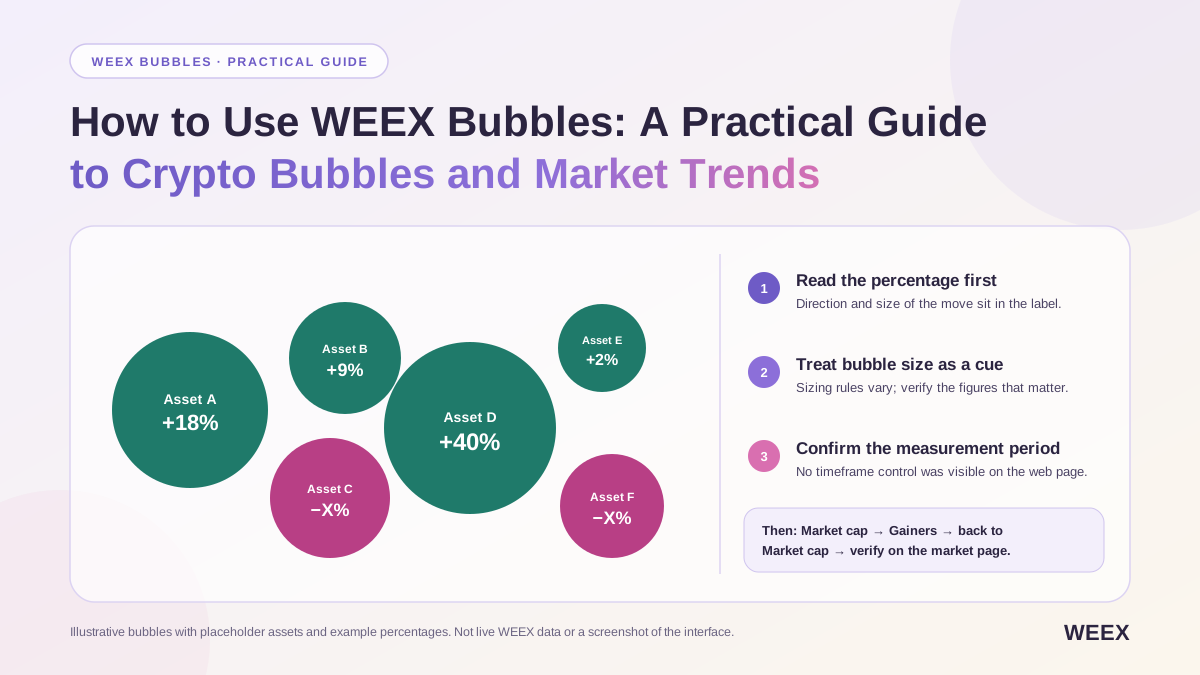
How to Use WEEX Bubbles: A Practical Guide to Crypto Bubbles and Market Trends

TSLA Stock After the Flying Roadster Reveal: What the Q3 Results, SpaceX Merger Talk and Analysts Say
SK Hynix Stock Before Q3 Earnings: Special Dividend Reports, HBM4 and What Investors Want to See on October 28
Corporate Actions for Tokenized Stocks: How Dividends, Splits and Mergers Are Handled
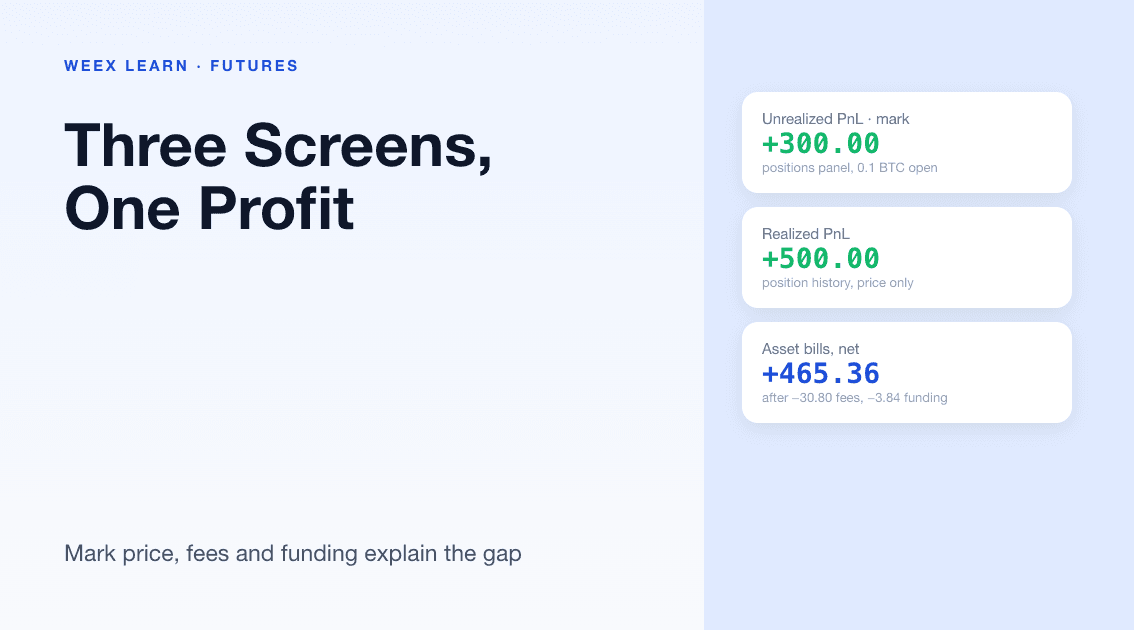
WEEX Futures PnL: Why Your Three PnL Numbers Rarely Match
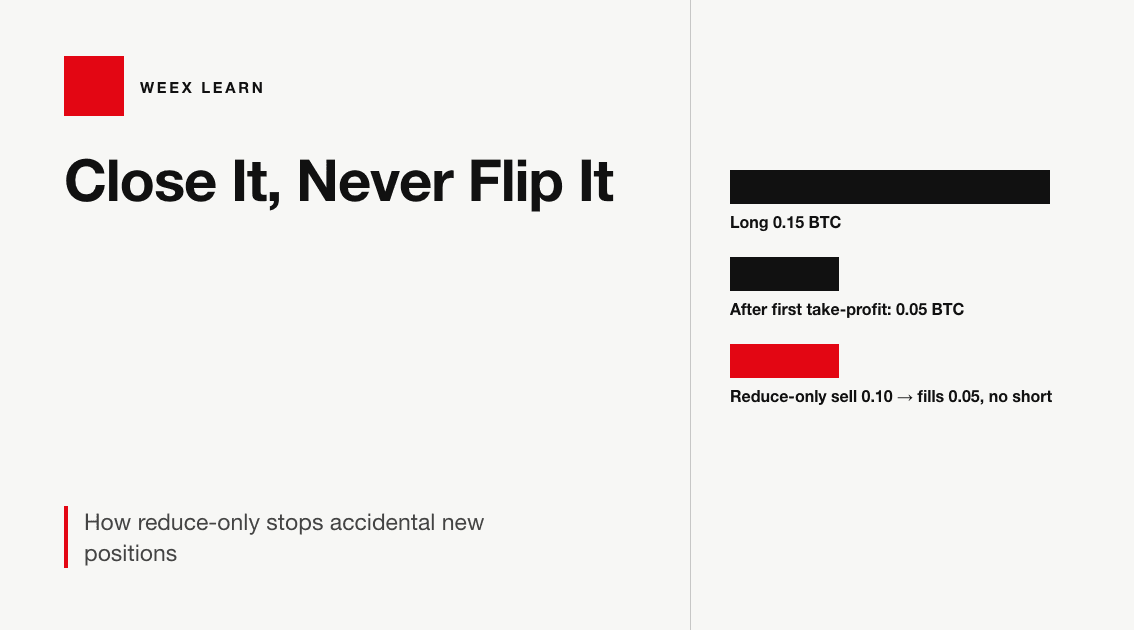
WEEX Reduce-Only Order: What It Does and When It Gets Cancelled
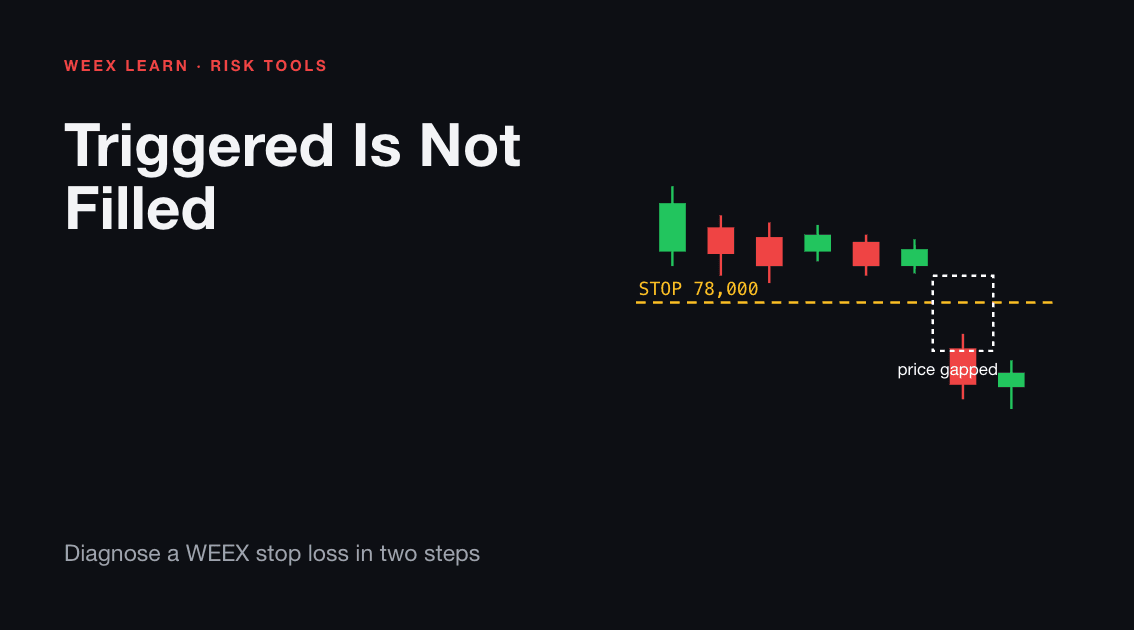
WEEX Stop Loss Not Triggered? Check the Trigger, Then the Fill
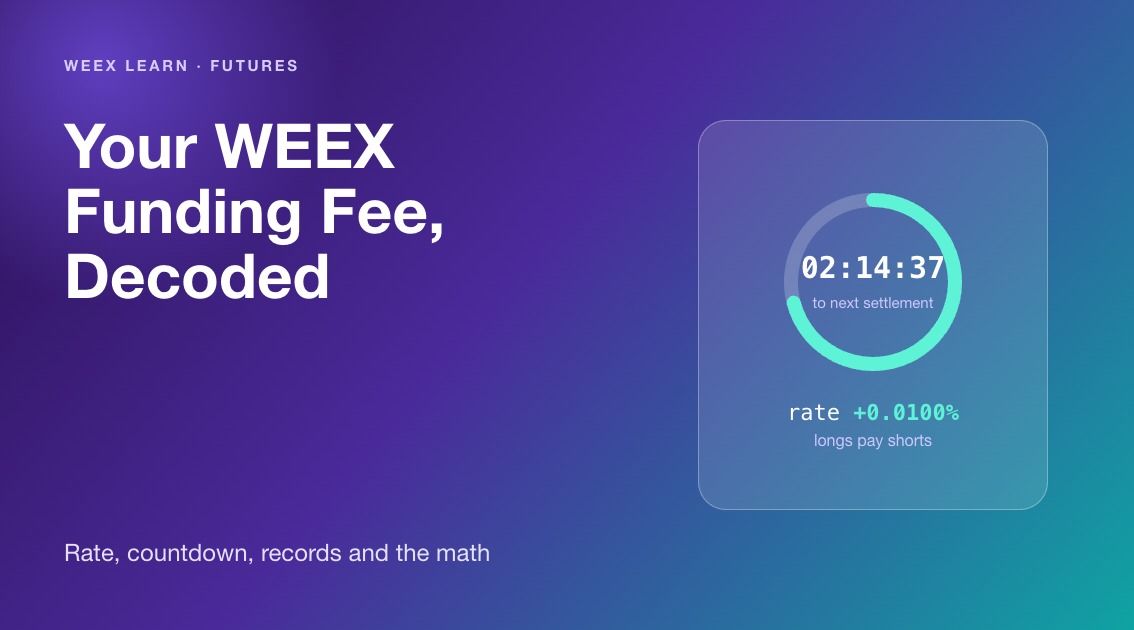
WEEX Funding Fee Explained: Rate, Countdown, Records and Math
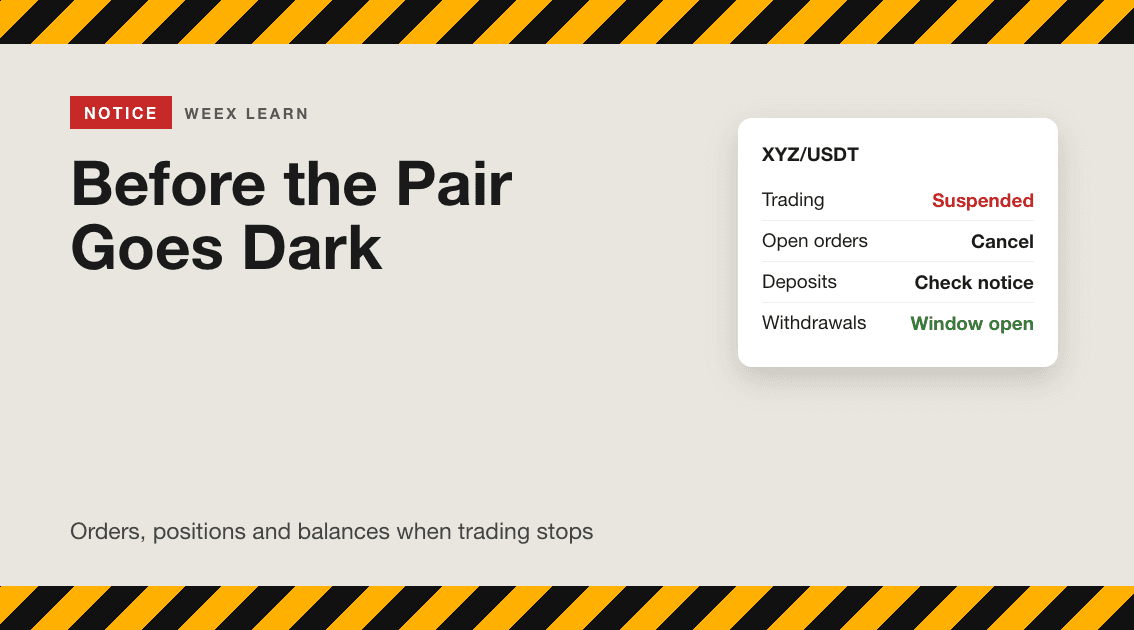
WEEX Trading Pair Suspended or Delisted? Your Orders and Assets
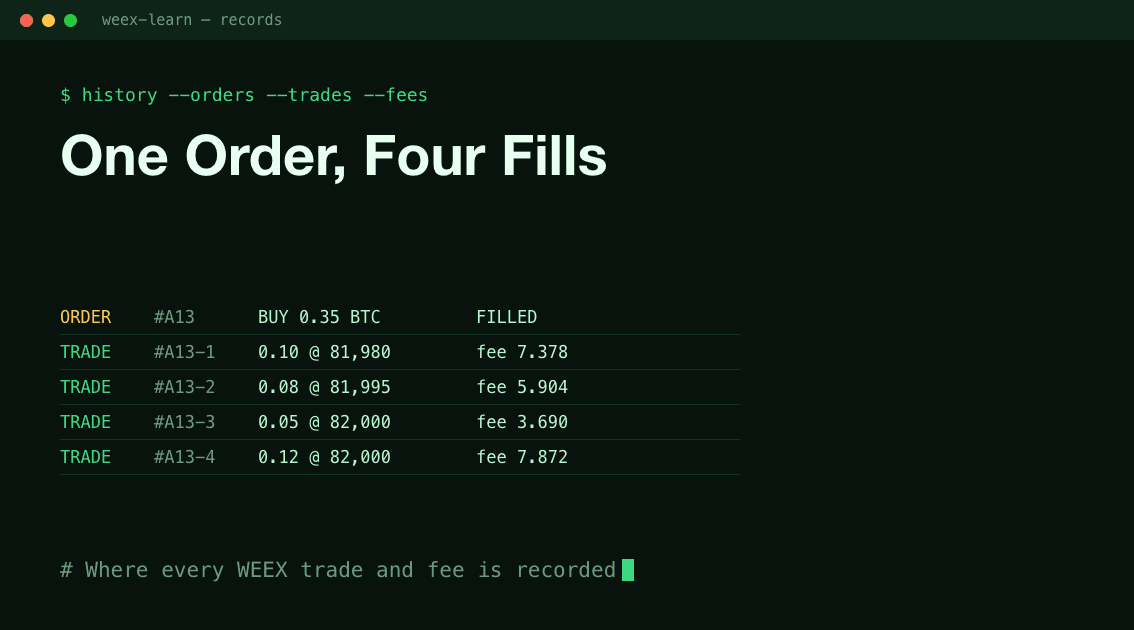
WEEX Order History: How Orders, Fills and Fees Fit Together
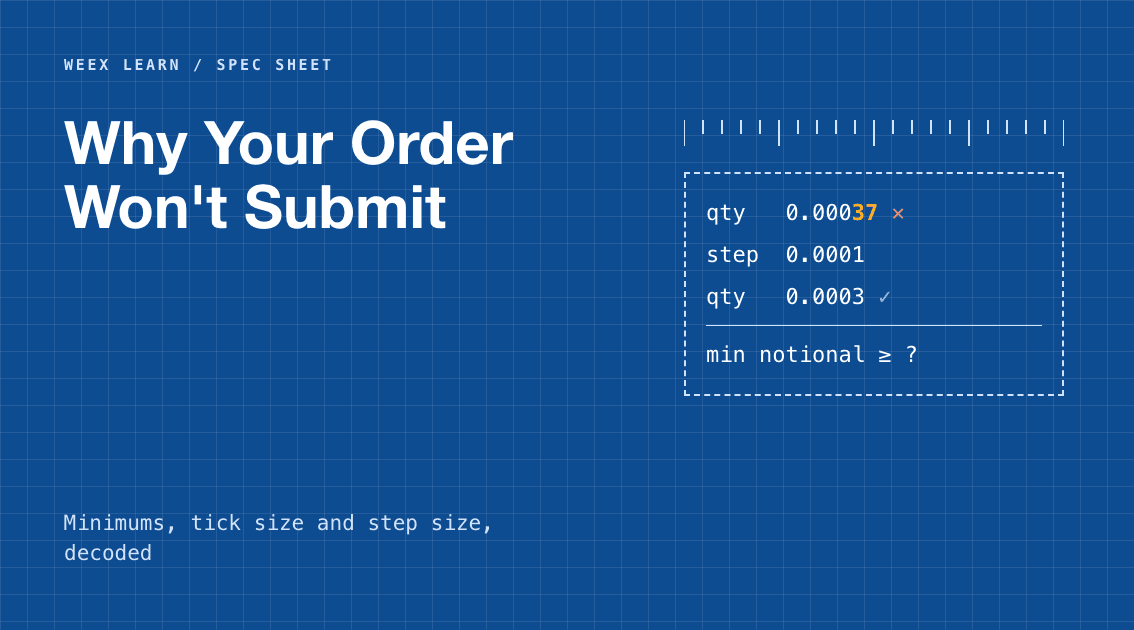
WEEX Minimum Order Size Errors Explained With Rounding Examples
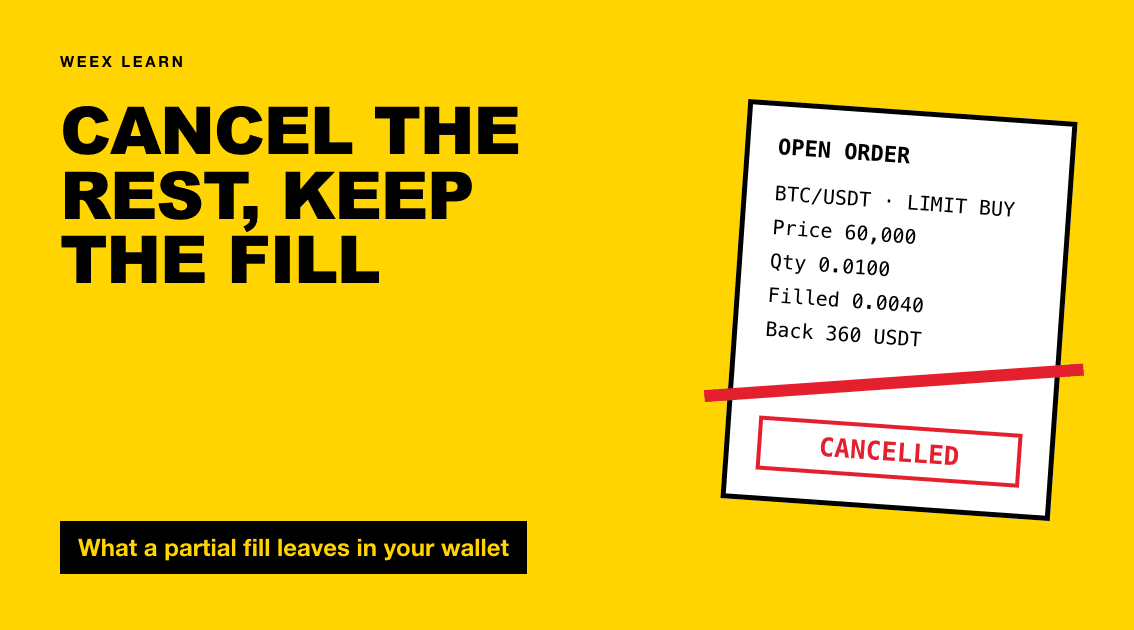
Cancel WEEX Spot Order: What Returns to Your Balance and When
WEEX Limit Order Not Filled? Read the Book, Then Fix the Order
How to Spot Trade on WEEX: From Pair Choice to a Confirmed Fill
Your Auto Earn Floor: Why Your Lowest Balance Sets the Day's Pay
How Transparent Is a Crypto Exchange? Checking Proof of Reserves and Protection Funds On WEEX Trust Center
HTX (Huobi) Russia Restrictions: Who Is Affected and What to Check
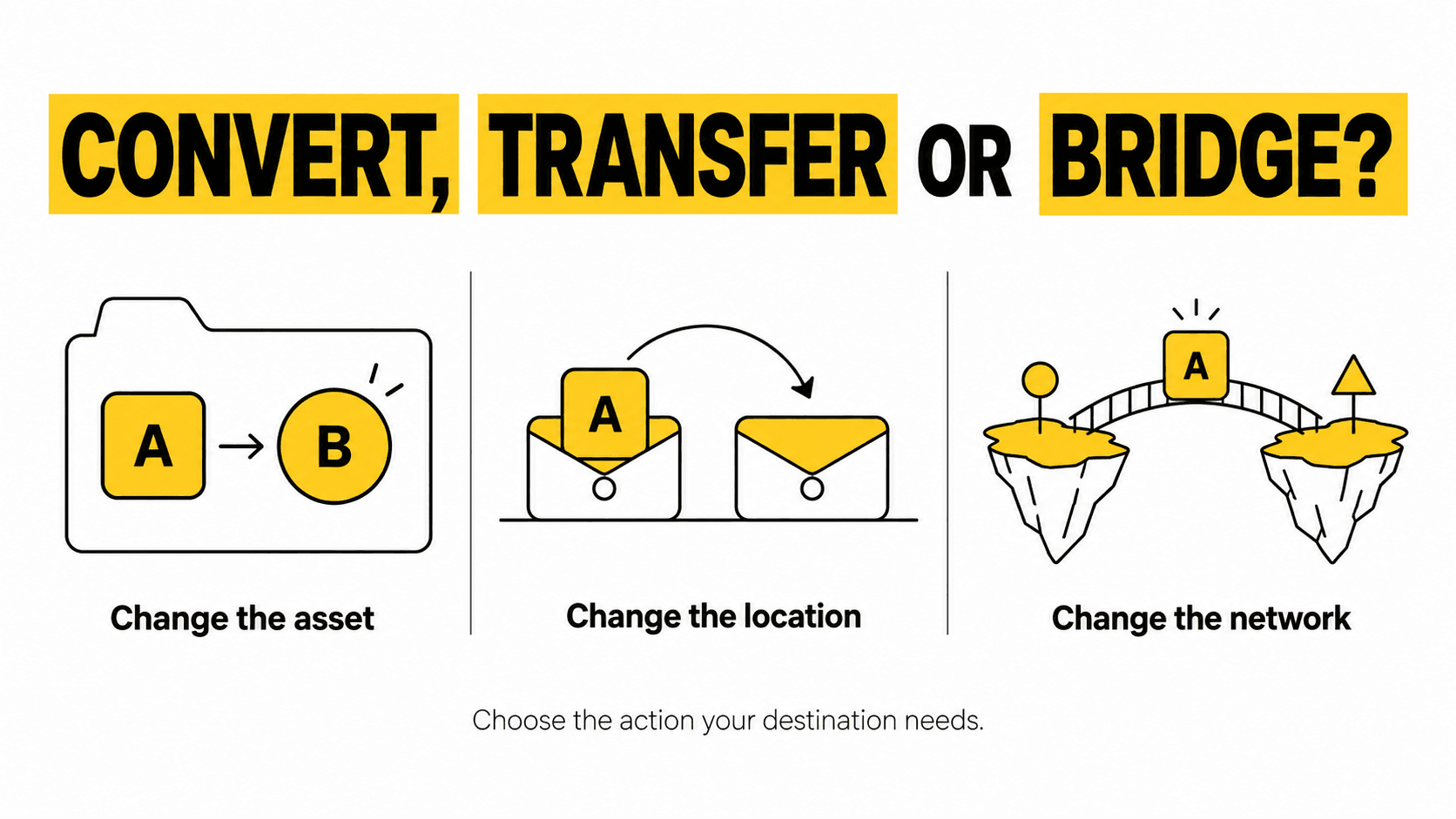
Crypto Convert vs Transfer vs Bridge: Which Action Do You Need?

Is United States Dividend Fund (USDF) Legit? What Website Checks and Reddit Actually Show
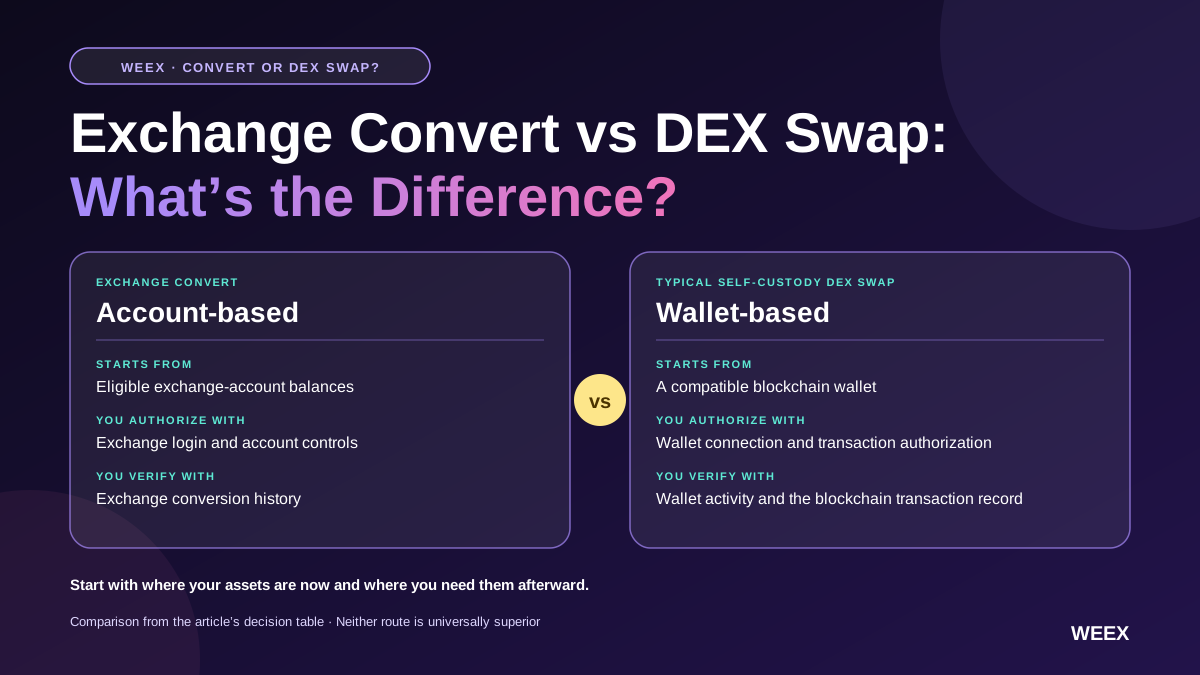
Exchange Convert vs DEX Swap: What’s the Difference? Try Convert Crypto On WEEX!
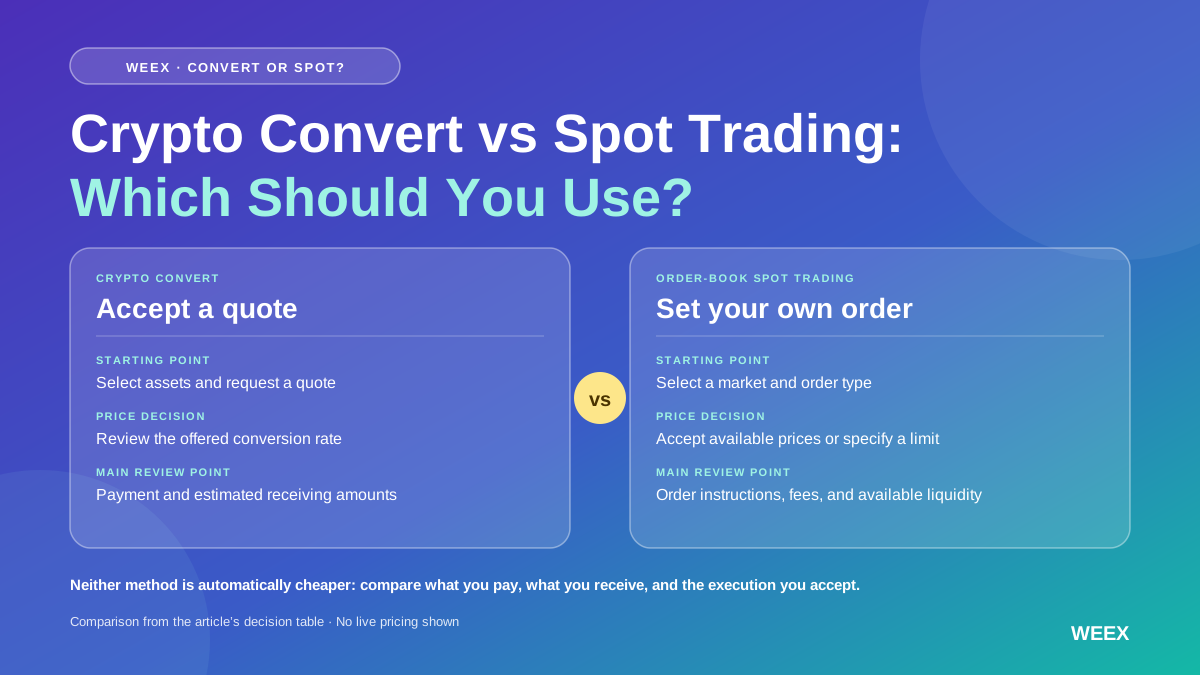
Crypto Convert vs Spot Trading: Which Should You Use On WEEX?
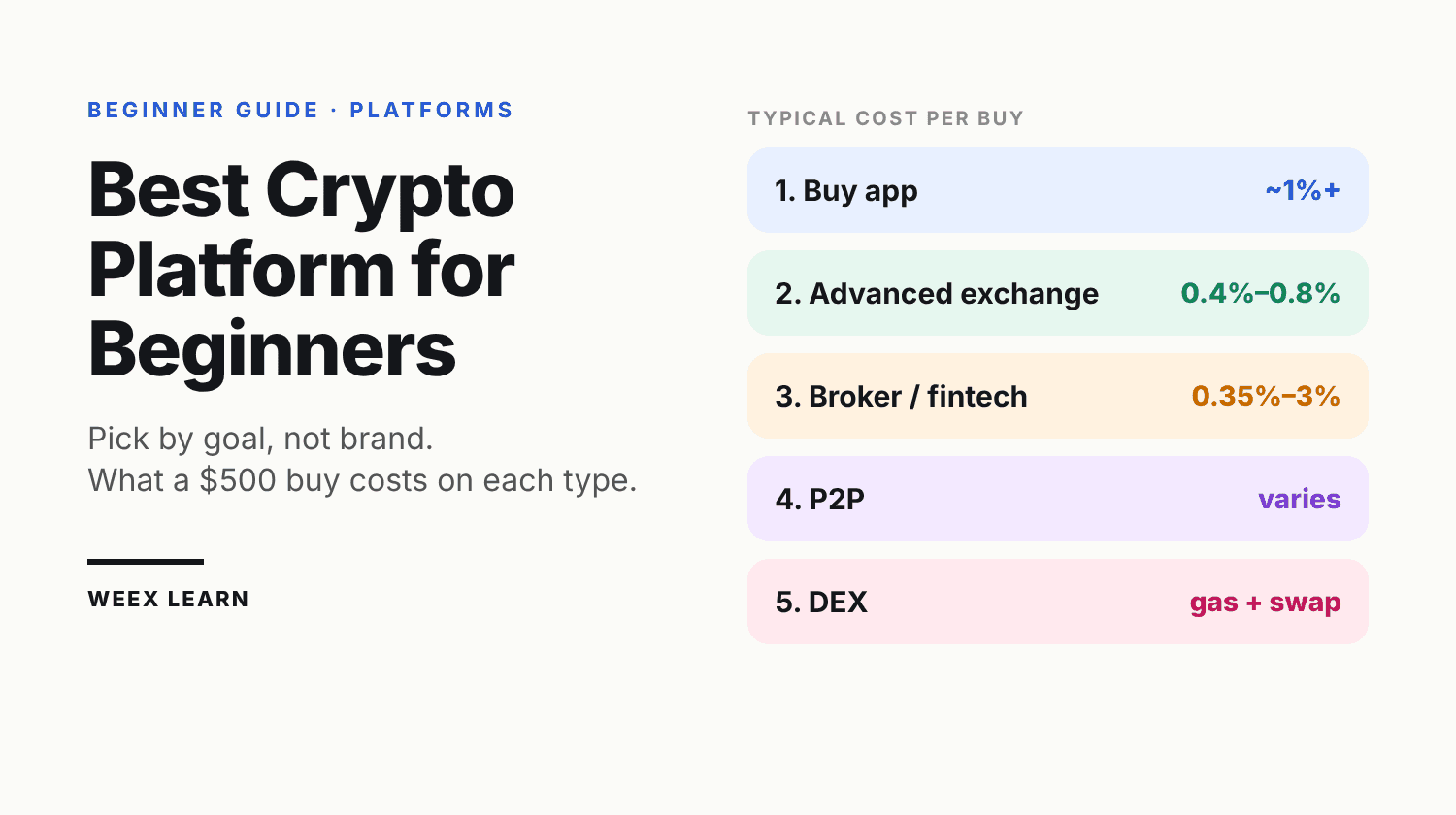
What Is Crypto Convert and How Does It Work? Try Crypto Convert On WEEX Now!
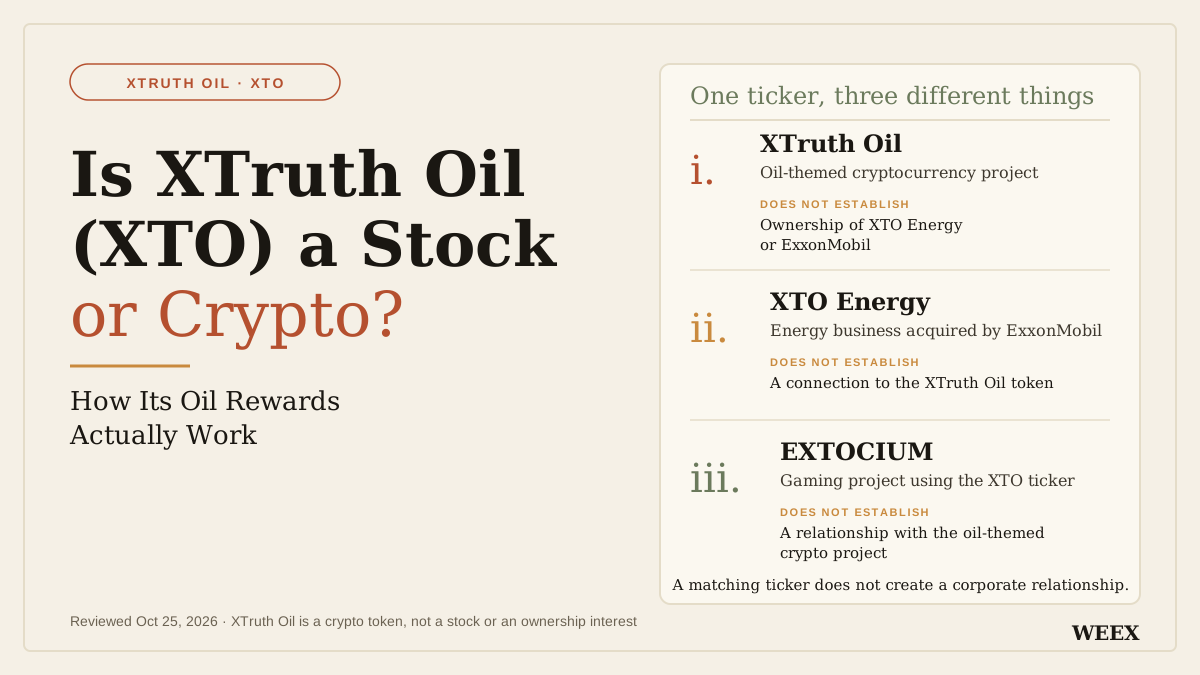
Is XTruth Oil (XTO) a Stock or Crypto? How Its Oil Rewards Actually Work
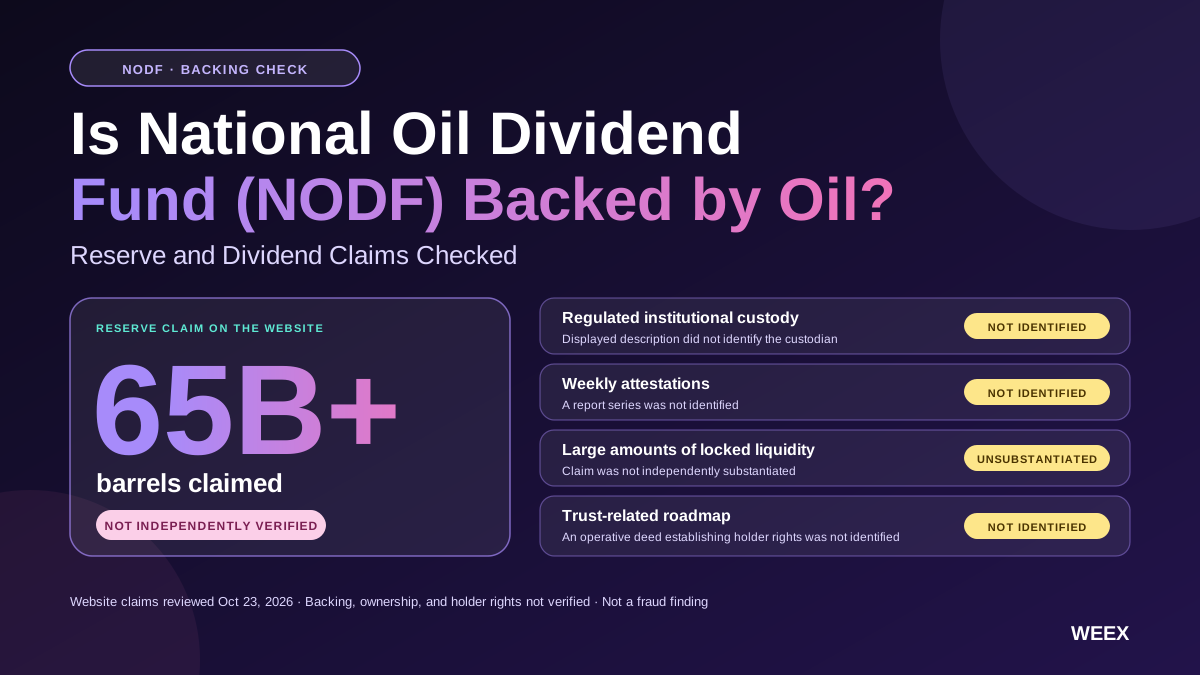
Is National Oil Dividend Fund (NODF) Backed by Oil? Reserve and Dividend Claims Checked
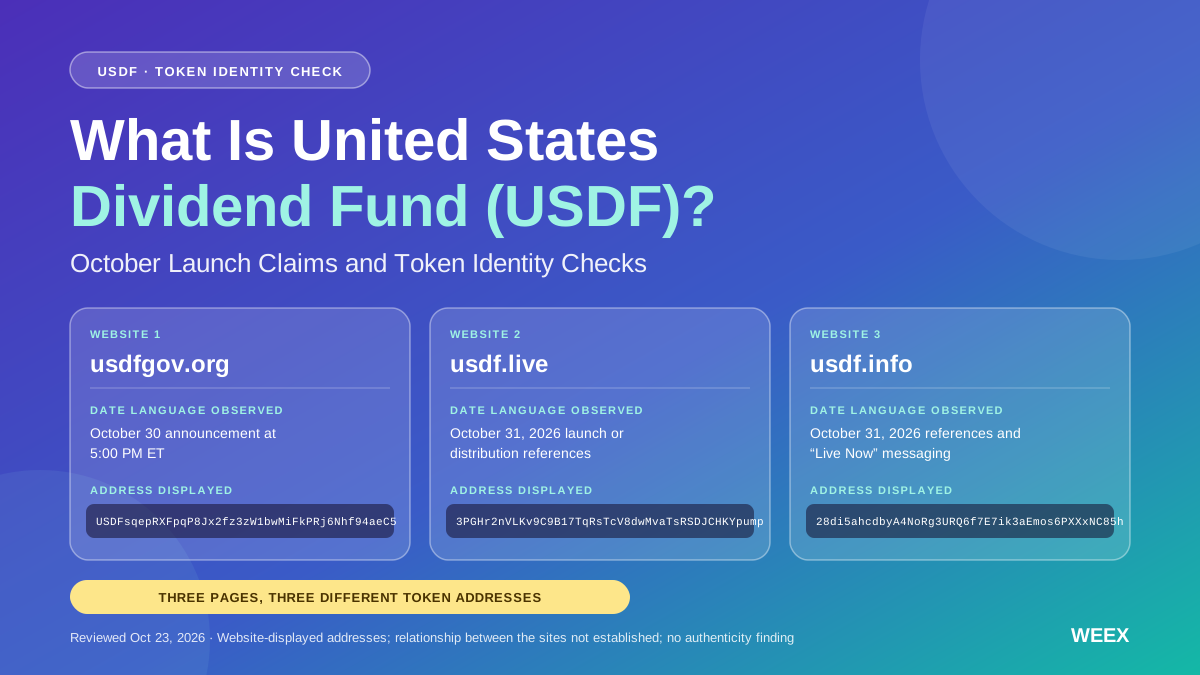
What Is United States Dividend Fund (USDF)? October Launch Claims and Token Identity Checks

How to Check Your WEEX Convert History: Convert Records and Spot Transactions
Why Did Pump.fun Partner With Kimchi? What the Deal Means for Traders
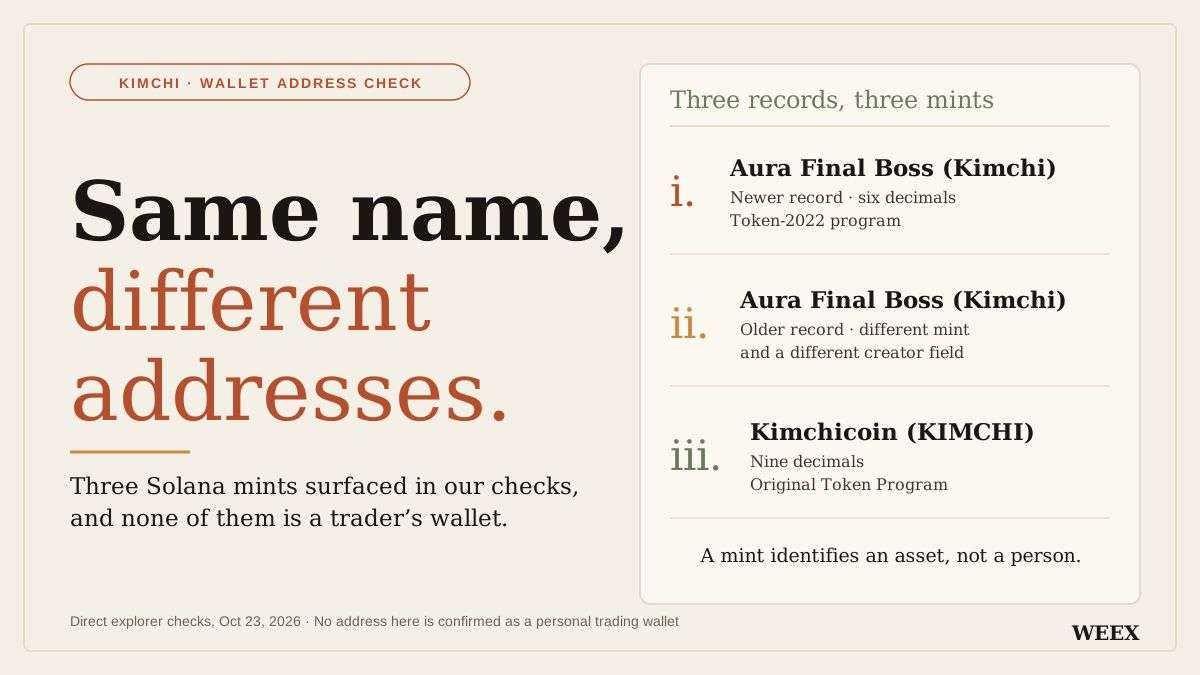
What Is Kimchi Crypto Trader’s Wallet Address? Public Records and Verification Guide
Which Cryptocurrencies Can You Convert on WEEX? How to Check Supported Assets
Bloom Crypto Bot Wallet Drains: What Happened and What Users Should Check
How to Use WEEX Bubbles: A Practical Guide to Crypto Bubbles and Market Trends
TSLA Stock After the Flying Roadster Reveal: What the Q3 Results, SpaceX Merger Talk and Analysts Say
SK Hynix Stock Before Q3 Earnings: Special Dividend Reports, HBM4 and What Investors Want to See on October 28
Corporate Actions for Tokenized Stocks: How Dividends, Splits and Mergers Are Handled
WEEX Futures PnL: Why Your Three PnL Numbers Rarely Match


