
Bitcoin Volatility: What Causes BTC Price Swings?

 Prefer us on Google

Cryptocurrencies, particularly Bitcoin, are characterized by significant price fluctuations. This article explores the nature of market volatility in the crypto space, examines the factors that drive Bitcoin’s price swings, and offers actionable strategies for trading in such a dynamic environment.
What Is Volatility in the Cryptocurrency Market?
Volatility refers to the degree of variation in an asset’s price over a specific period. Put simply, it measures how dramatically and frequently an asset’s value rises or falls. High volatility implies large, rapid price changes, while low volatility suggests more stable and predictable price behavior.
While traditional financial markets also experience volatility, cryptocurrency markets are especially known for their sharp and sudden movements. It’s not uncommon for major cryptocurrencies to swing by 5–10% or more within a single day. For traders, this represents both substantial opportunity and considerable risk. Tools like the Bitcoin volatility index can help quantify these fluctuations, providing a clearer picture of market conditions.
Key Drivers of Crypto Market Volatility
A combination of structural, sentiment-based, and external factors contributes to the pronounced volatility in cryptocurrency markets:
- Market Maturity: The crypto market is still young compared to traditional equities or foreign exchange markets. Its relative newness, along with evolving regulations and participation, often results in less stability.
- Investor Sentiment: Crypto prices are highly sensitive to news, social media trends, and public perception. A single influential statement or regulatory update can trigger widespread buying or selling.
- Liquidity Constraints: Despite growing adoption, cryptocurrency markets generally have lower liquidity than established financial markets. This means that even moderately sized trades can have an outsized impact on prices.
- Speculative Activity: A significant portion of crypto trading is driven by short-term speculation rather than long-term value investing, which can amplify price movements and lead to rapid rallies or corrections.
Why is Bitcoin Especially Volatile?
As the flagship cryptocurrency, Bitcoin often experiences pronounced volatility due to several unique characteristics:
- Fixed Supply and Fluctuating Demand: Bitcoin’s supply is algorithmically capped at 21 million coins. This scarcity can intensify price movements when demand shifts—whether due to macroeconomic trends, adoption news, or shifts in investor behavior.
- News and Sentiment Sensitivity: Bitcoin’s price reacts strongly to headlines and market mood. Developments such as regulatory announcements, technological upgrades, or endorsements from public figures can lead to swift and significant price changes.
- Regulatory Uncertainty: The regulatory environment for Bitcoin is still developing worldwide. News related to government policies, legal status, or taxation can cause uncertainty and contribute to price volatility.
- Technological Developments and Upgrades: Changes to the Bitcoin network—such as protocol upgrades, scalability improvements, or debates within the developer community—can influence market confidence and lead to price fluctuations.
- Market Influence of Large Holders: The actions of “whales,” or individuals and entities holding large amounts of Bitcoin, can sway markets. Their buying or selling activity may trigger cascading effects across exchanges.
Additionally, metrics like Bitcoin implied volatility—derived from options pricing—can provide insights into traders’ expectations of future price swings, helping investors gauge market sentiment and potential risk.
-- Price
Trading Strategies for a Volatile Bitcoin Market
Successfully trading Bitcoin requires a thoughtful approach to risk and opportunity. Below are several strategies to help navigate its volatility:
- Use Technical Analysis: Technical analysis involves studying historical price patterns and indicators to identify potential trends and turning points. Common tools like moving averages, RSI (Relative Strength Index), and Bollinger Bands® can help traders make more informed decisions.
- Implement Stop-Loss Orders: A stop-loss order automatically closes a trade once the asset reaches a predetermined price level. This helps traders limit losses during sudden market downturns—a particularly useful tool in highly volatile conditions.
- Diversify Your Portfolio: Spreading investments across different asset types—such as other cryptocurrencies, stablecoins, or traditional assets—can help mitigate the impact of Bitcoin’s price swings on your overall holdings.
- Apply Dollar-Cost Averaging (DCA): DCA involves investing a fixed amount at regular intervals, regardless of price. This strategy reduces the risk of making a large investment at a market peak and lets traders accumulate assets over time without emotional trading.
- Stay Informed: Keeping up with market news, regulatory updates, and tech developments is essential. Reliable information helps traders anticipate market movements and adjust their strategies accordingly. Monitoring indicators like the Bitcoin volatility index can also provide valuable context for decision-making.
- Prepare for High-Risk Scenarios: Given Bitcoin’s potential for rapid price changes, it’s important to only allocate capital you can afford to lose. Establishing clear risk-management rules from the outset can help maintain discipline during turbulent periods.
Conclusion
Bitcoin's status as an emerging asset class means volatility is a defining characteristic. This dynamism offers pathways to profit but necessitates caution, strategic thinking, and continuous learning. Grasping the factors behind market movements, such as Bitcoin's implied volatility and its dedicated volatility index, is fundamental for risk-aware participation. WEEX Exchange is here to support your entry into the crypto ecosystem. Don't let volatility deter you – let it empower you. Sign up at WEEX Exchange today and secure your very first Bitcoin with confidence. While the market's evolution may gradually temper volatility, embracing its potential and understanding its nuances is paramount for any aspiring Bitcoin investor.
Further Reading
- What Is a Bull Market ?
- What Is a Bear Market ?
- Mastering Risk Management in Crypto Trading
- How to Trade Crypto Responsibly?
Disclaimer: The opinions expressed in this article are for informational purposes only. This article does not constitute an endorsement of any of the products and services discussed or investment, financial, or trading advice. Qualified professionals should be consulted prior to making financial decisions.
This content is provided for general informational purposes only and doesn't constitute financial, investment, legal, or tax advice. Any events, rewards, online promotions, or related information mentioned herein should not be considered a recommendation, solicitation, or invitation to purchase, sell, trade, or otherwise deal in any crypto assets. Crypto assets are highly volatile and may result in loss. The availability of WEEX services, products, and related events may vary by region. You are responsible for ensuring that your participation is in accordance with applicable local laws and regulations.
You may also like
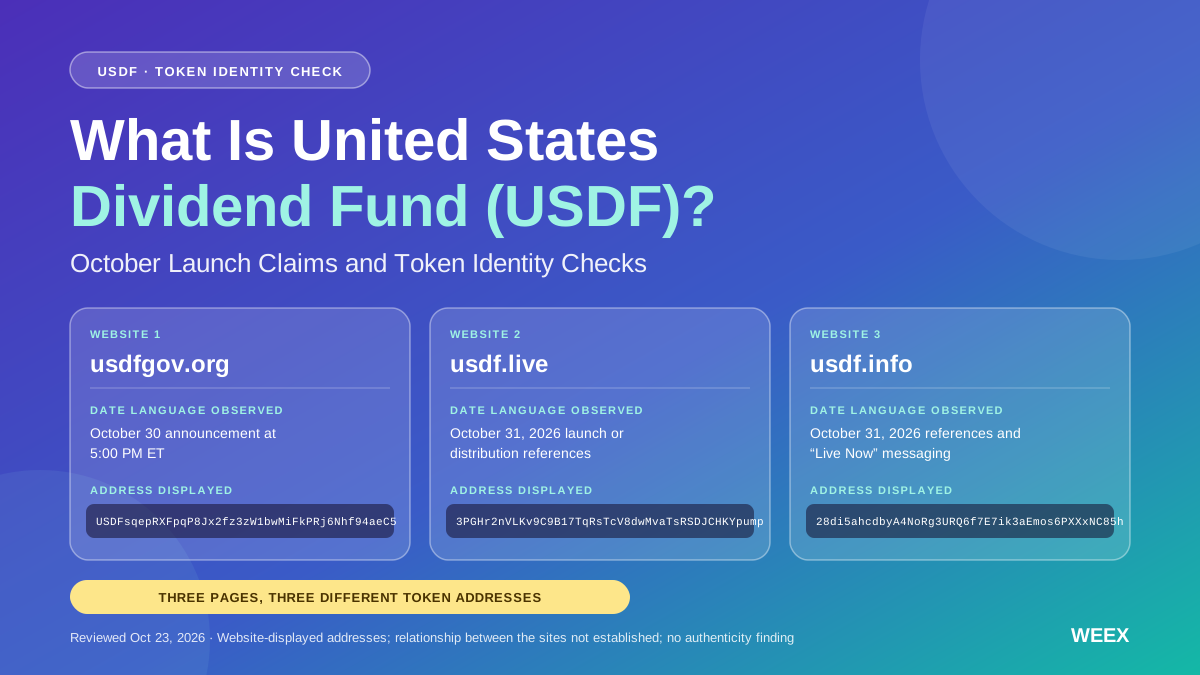
What Is United States Dividend Fund (USDF)? October Launch Claims and Token Identity Checks
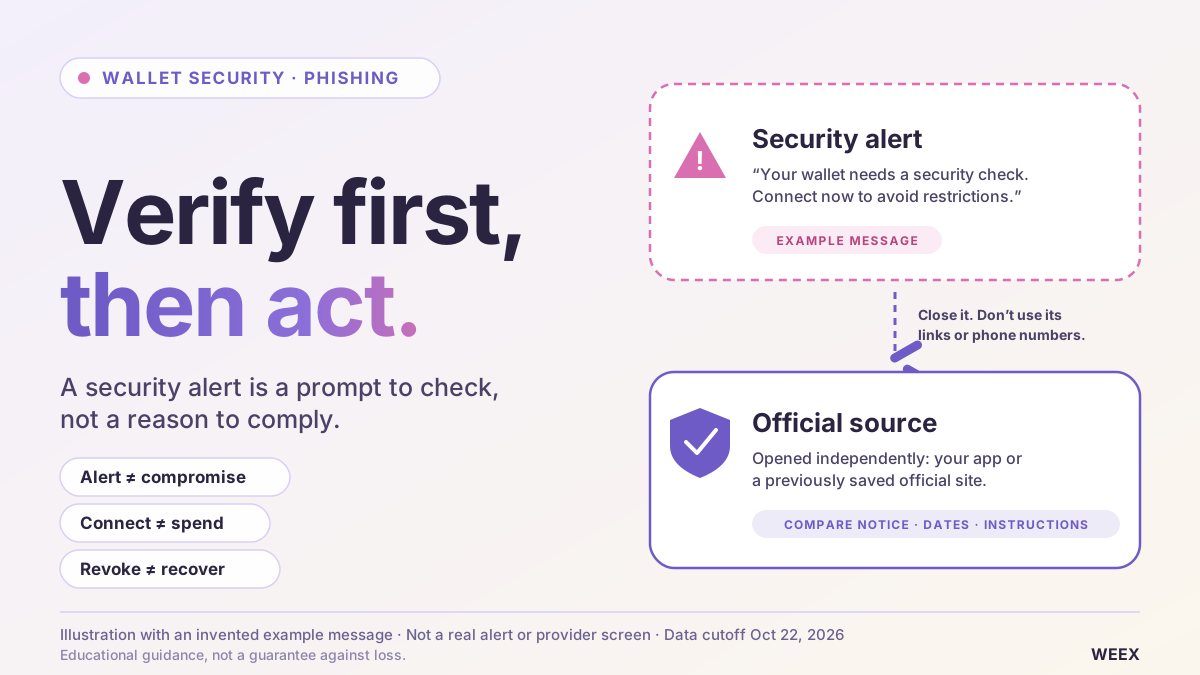
Is Your Crypto Wallet Safe? How to Verify Security Alerts and Spot Phishing
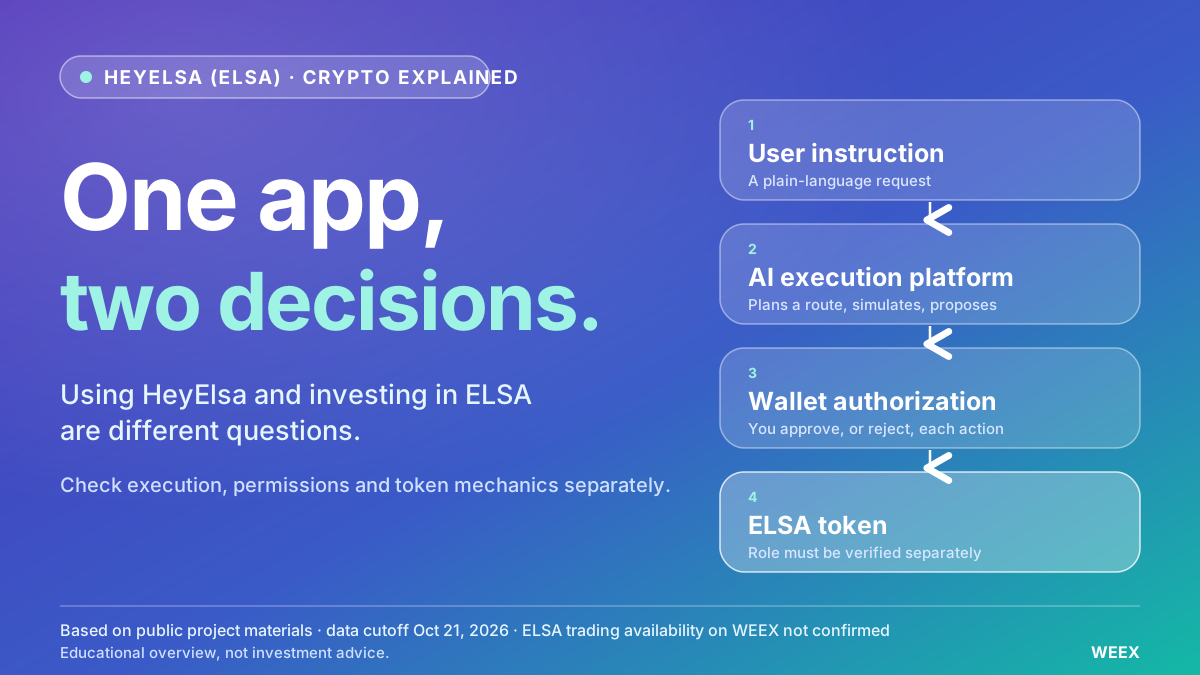
What Is HeyElsa (ELSA) Crypto and How Does It Work?

Best Crypto Leverage Trading Platform: Things to Compare Before You Choose an Exchange
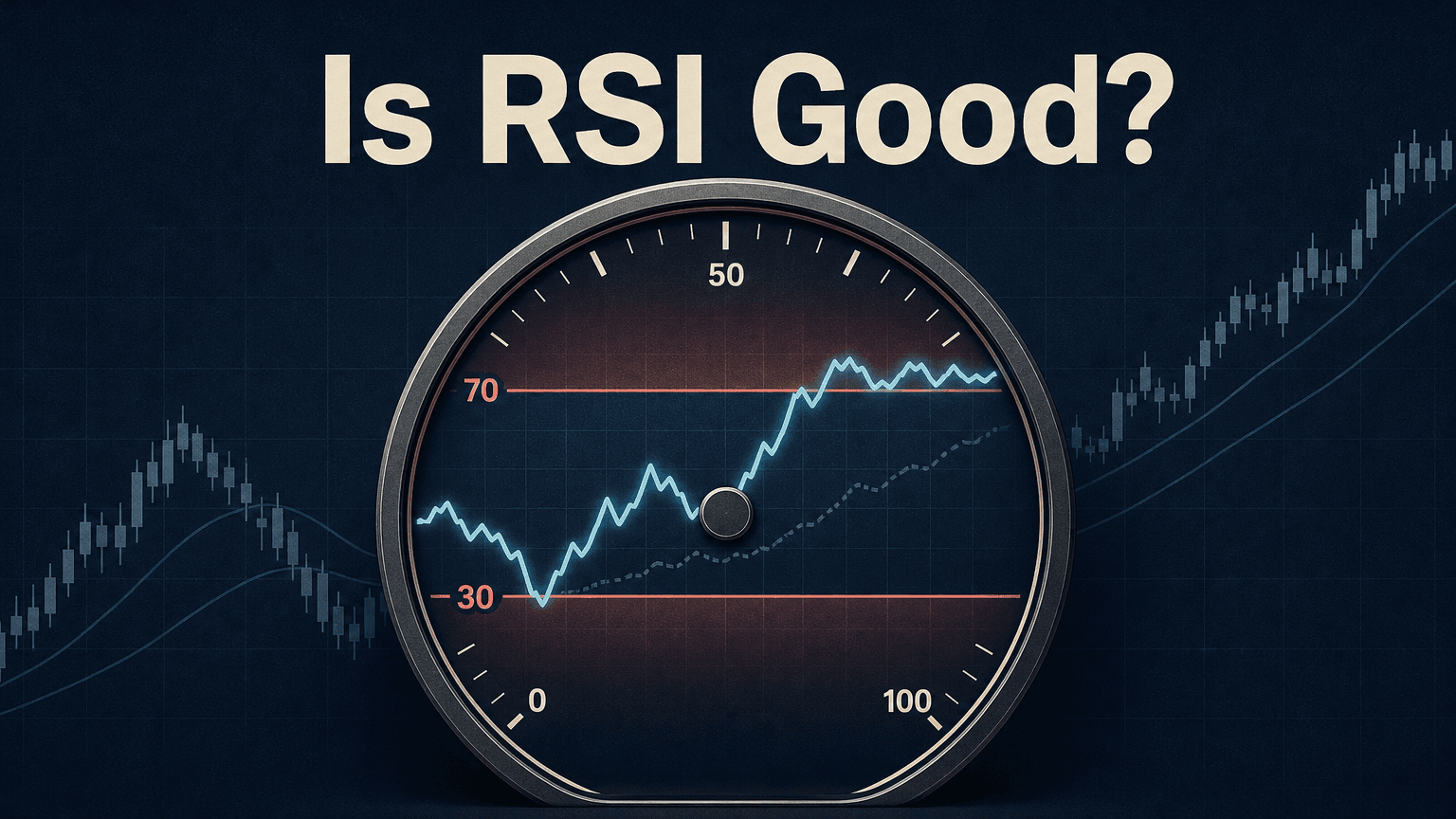
Is RSI a Good Indicator? How the Relative Strength Index Works, Its Limits and How Traders Use It
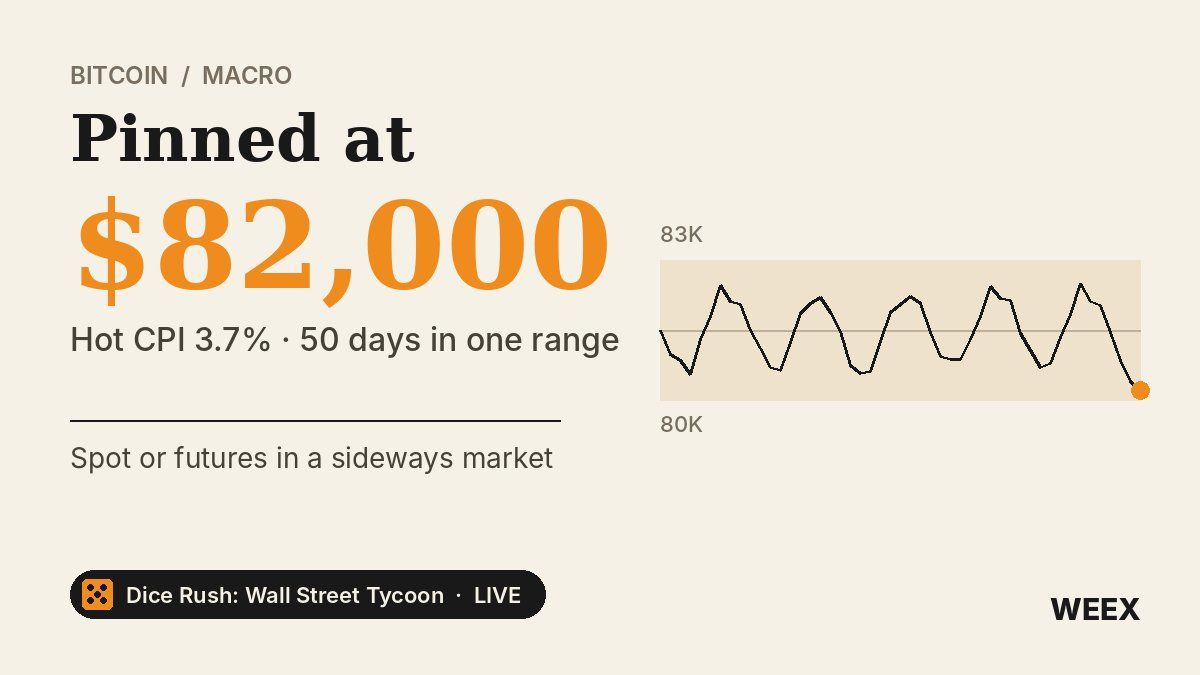
Bitcoin Price After Hot CPI: Why BTC Is Pinned Near $82,000
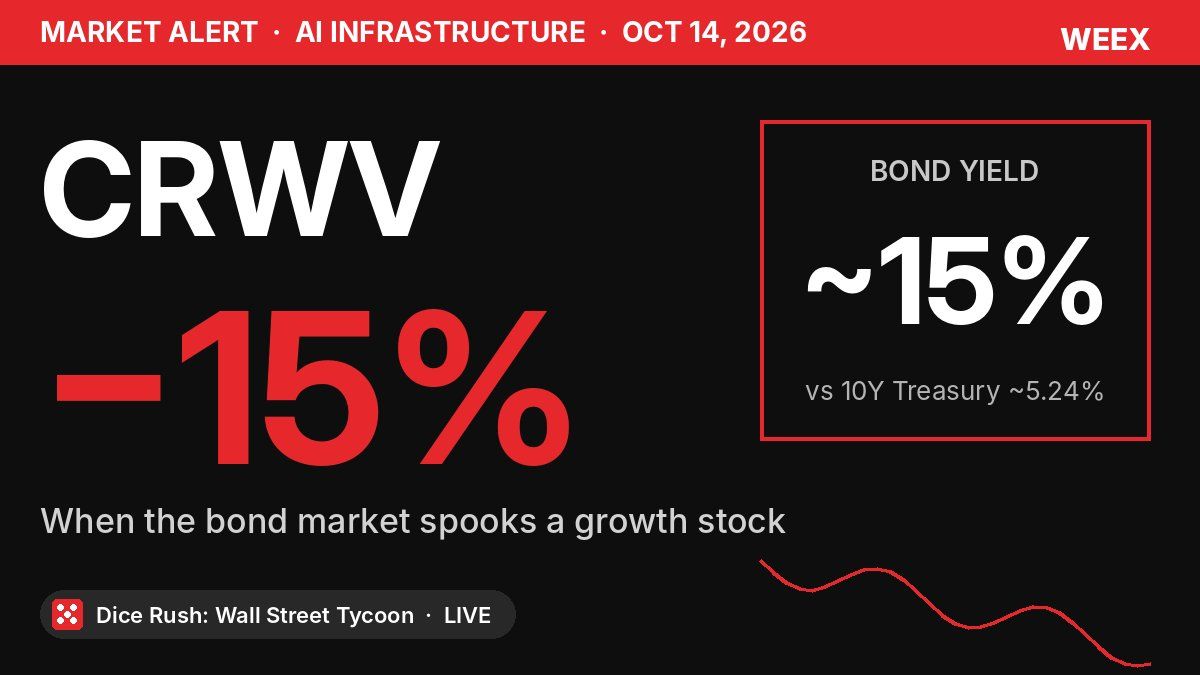
CoreWeave Stock Plunges 15%: Why a Bond Yield Spooked CRWV

WEEX 2026 New User Guide: Register, Complete KYC, and Claim the Welcome Bonus (Step-by-Step)

WEEX Convert Guide: How to Swap Crypto on Web and App and What the Quote Really Means
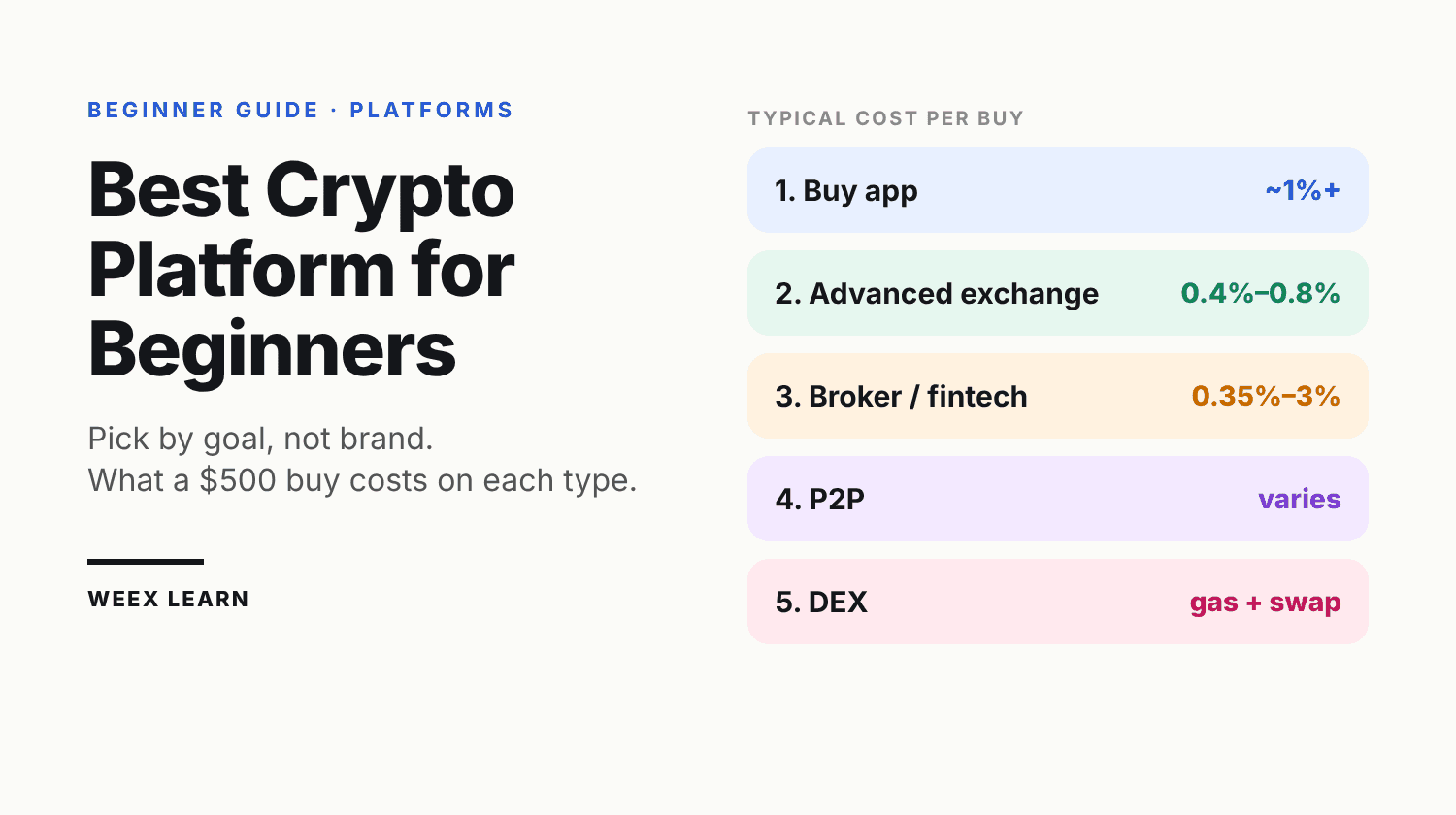
Best Crypto Platform for Beginners: Pick by Goal, Not Brand
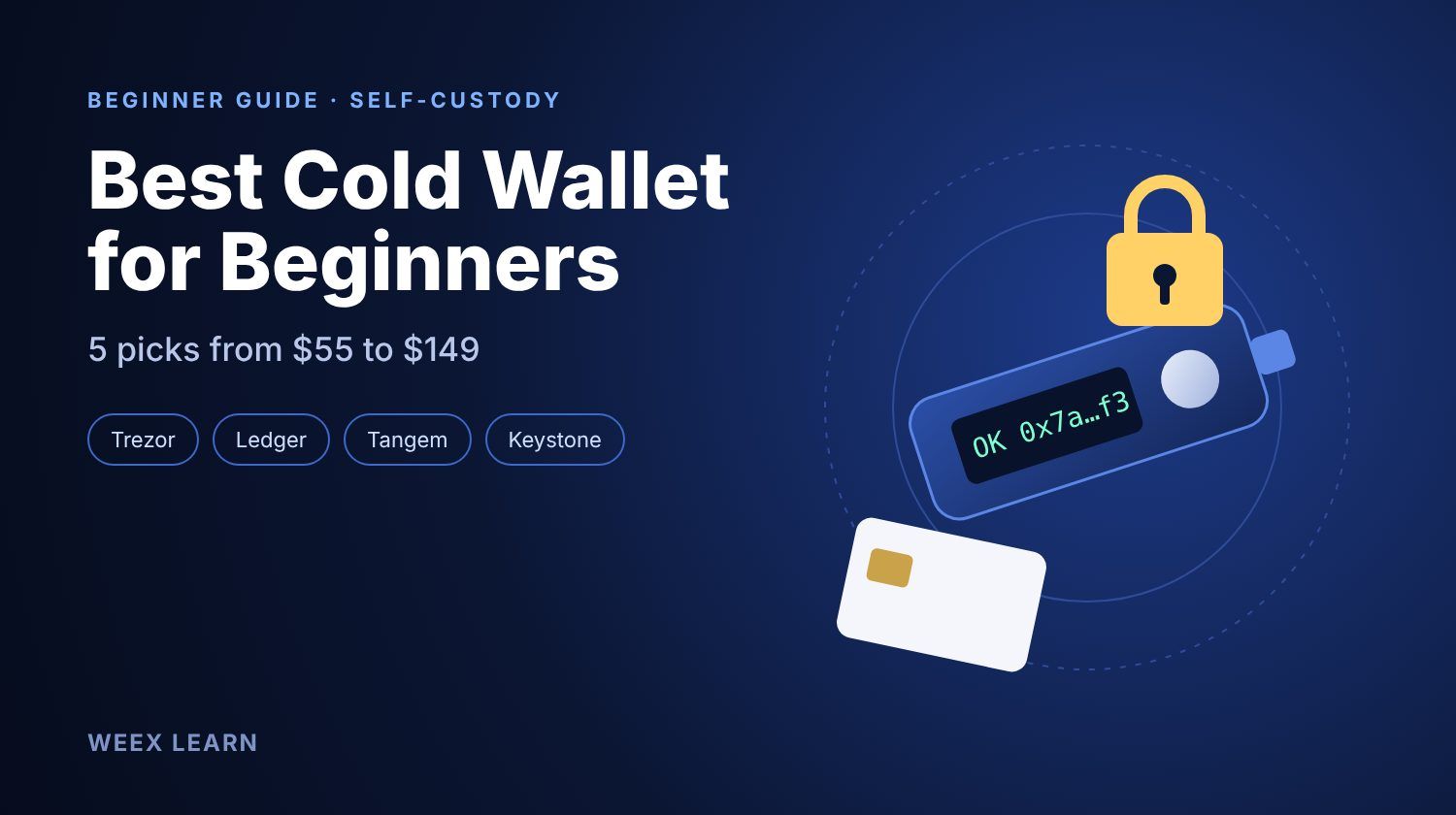
Best Cold Wallet Crypto for Beginners: 5 Picks Under $150

Best Crypto Broker for Beginners: What to Check in Fees, Regulation, Security and Support Before You Deposit
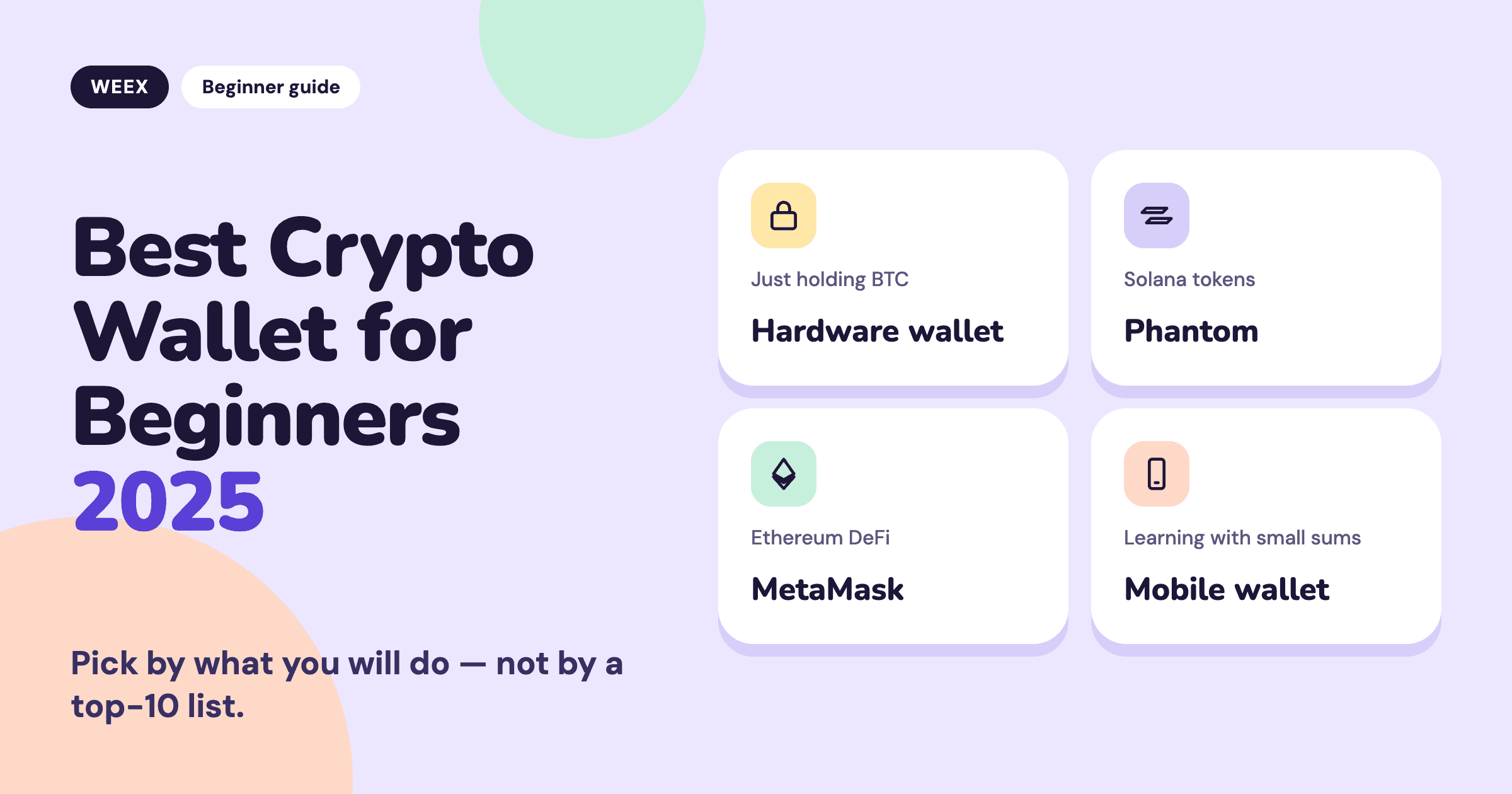
Best Crypto Wallet for Beginners 2025: Pick by What You Will Do
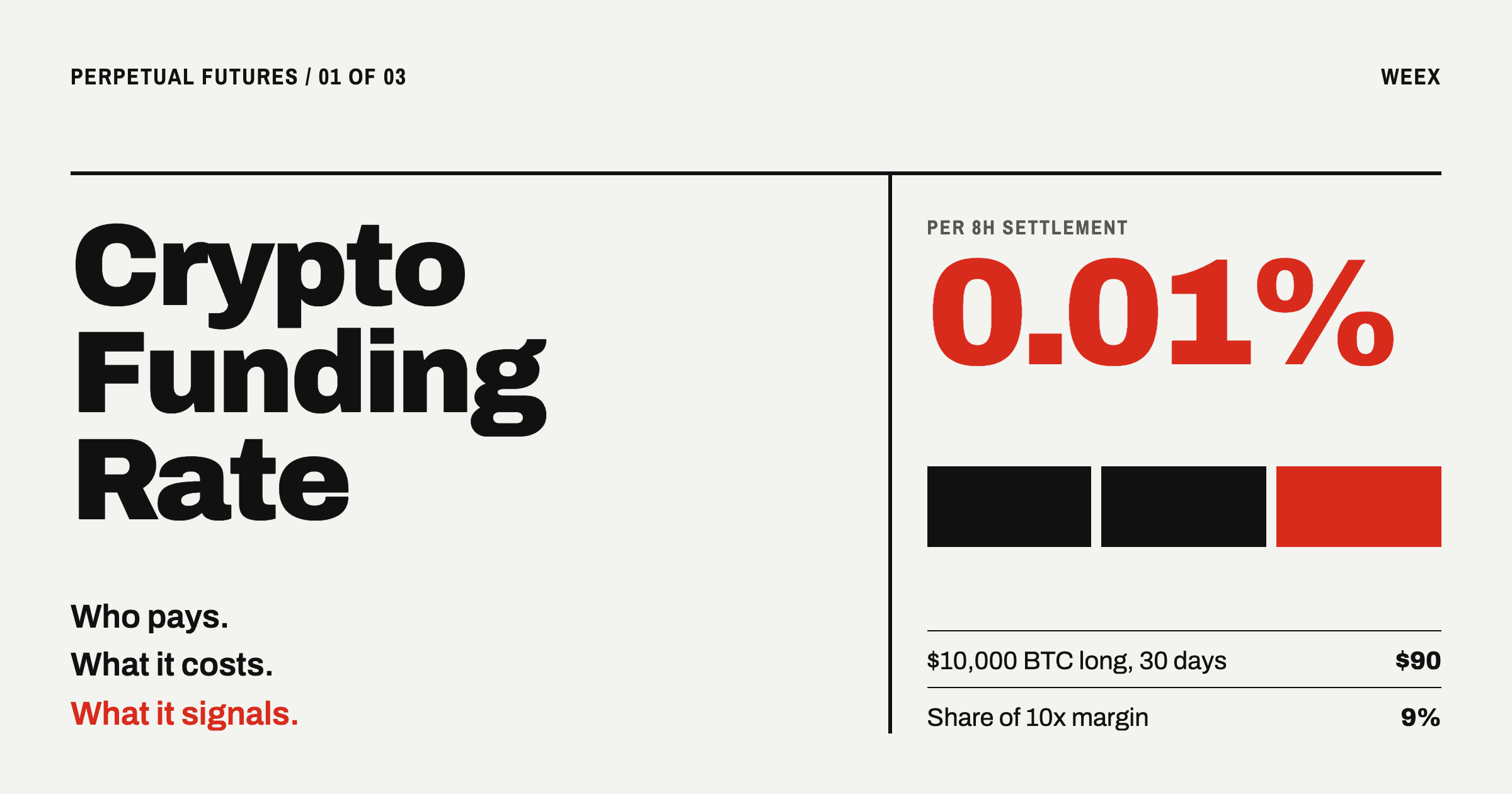
Crypto Funding Rate: Who Pays, What It Costs, What It Signals

How to Use an APR Boost on WEEX Auto Earn Without Wasting It
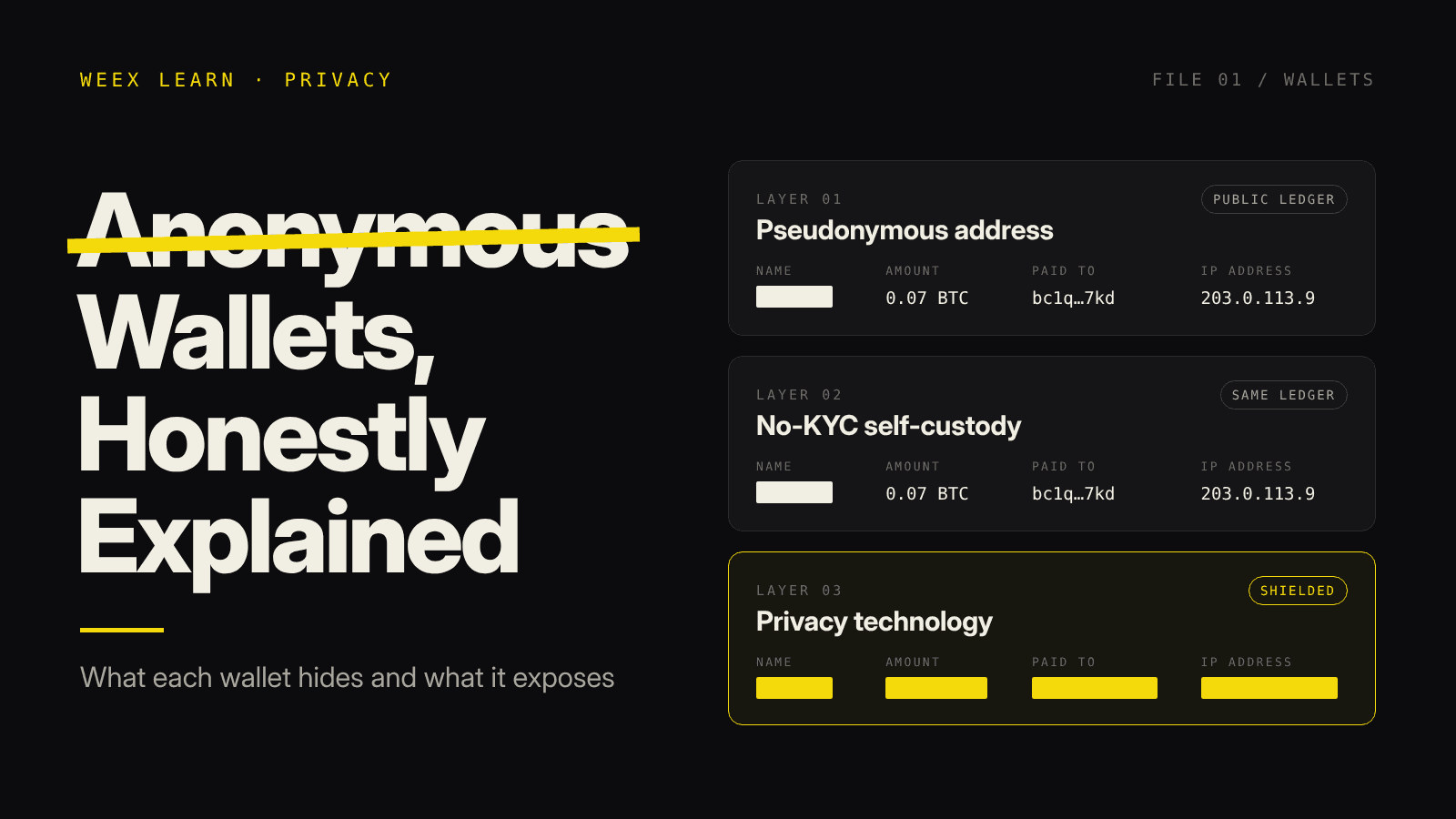
Anonymous Crypto Wallet: What Each One Hides and Where It Fails

What Is a Blockchain Node? Types, 2026 Counts, and Real Costs

Taiwan Stock Market Nears 50,000: Can the TAIEX Break the Milestone After the Holiday?
How to Buy USDT in Thailand: Payment Methods, Fees and Transfer Checks
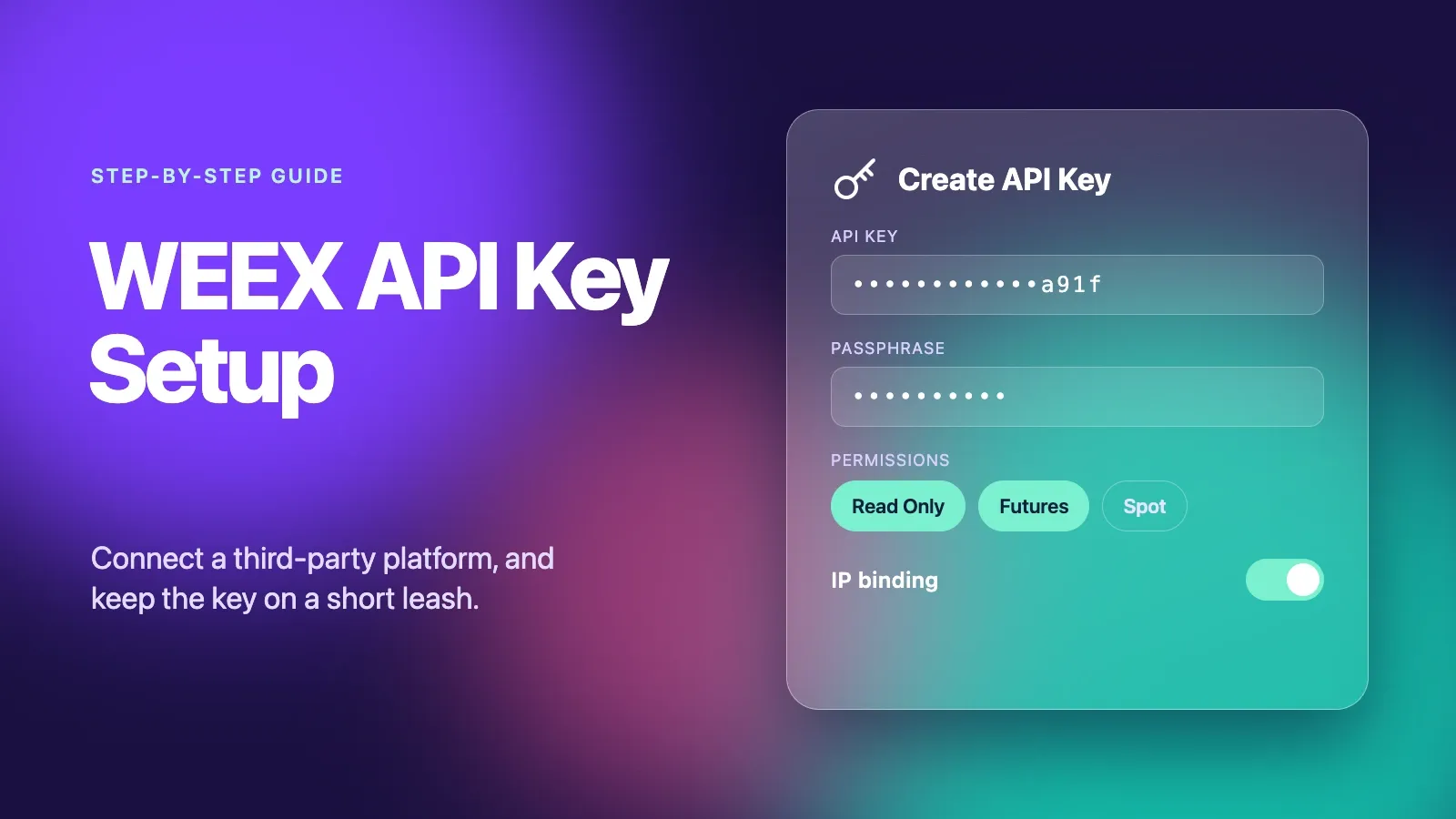
WEEX API Key Setup: How to Connect a Third-Party Platform Safely

How to Become a WEEX Broker: Application, API Setup and Go-Live
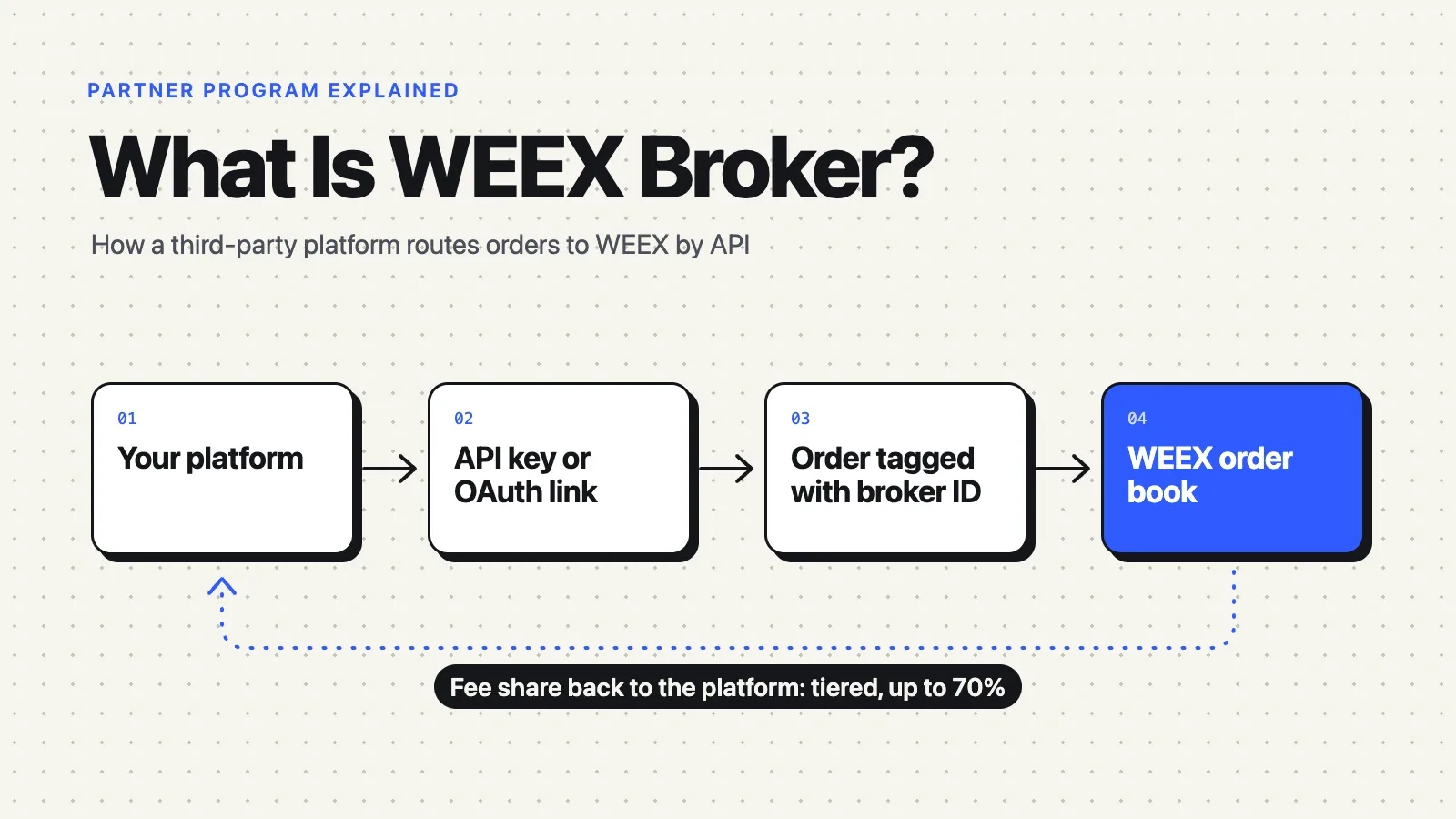
What Is WEEX Broker? API Program, Commissions and How It Works
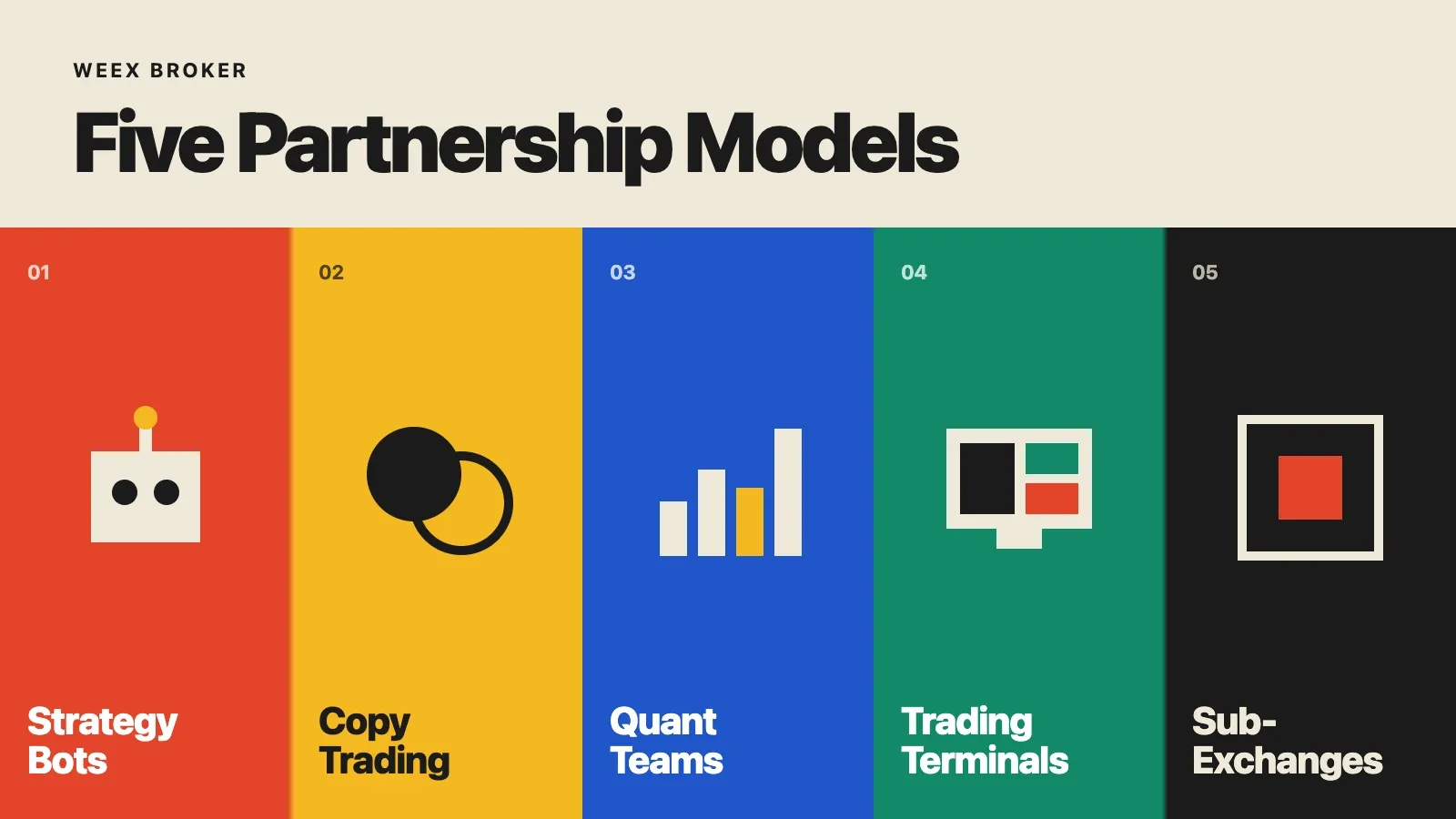
WEEX Broker Models: Strategy Bots, Copy Trading and Sub-Exchanges

What Is Orca (ORCA) Crypto? The Solana DEX, USDY Liquidity, and the ORCA Name Confusion

WEEX TOKEN2049 Day 1 Live Preview: Booth, MBTI and AI Demo
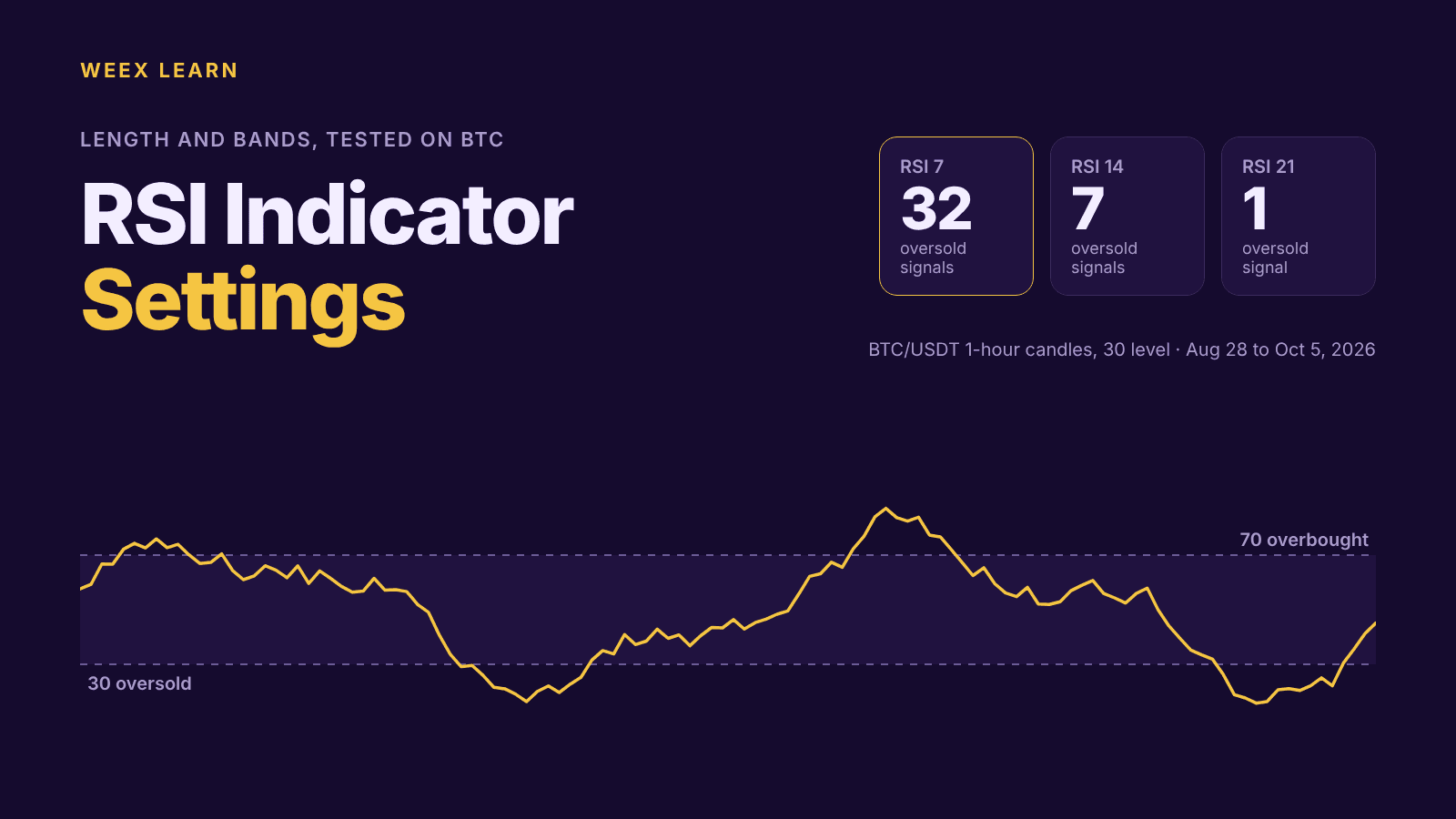
RSI Indicator Settings: What 7, 9, 14 and 21 Did on BTC Charts
Best Crypto Apps for Beginners: The Five Features That Actually Matter on Your Phone
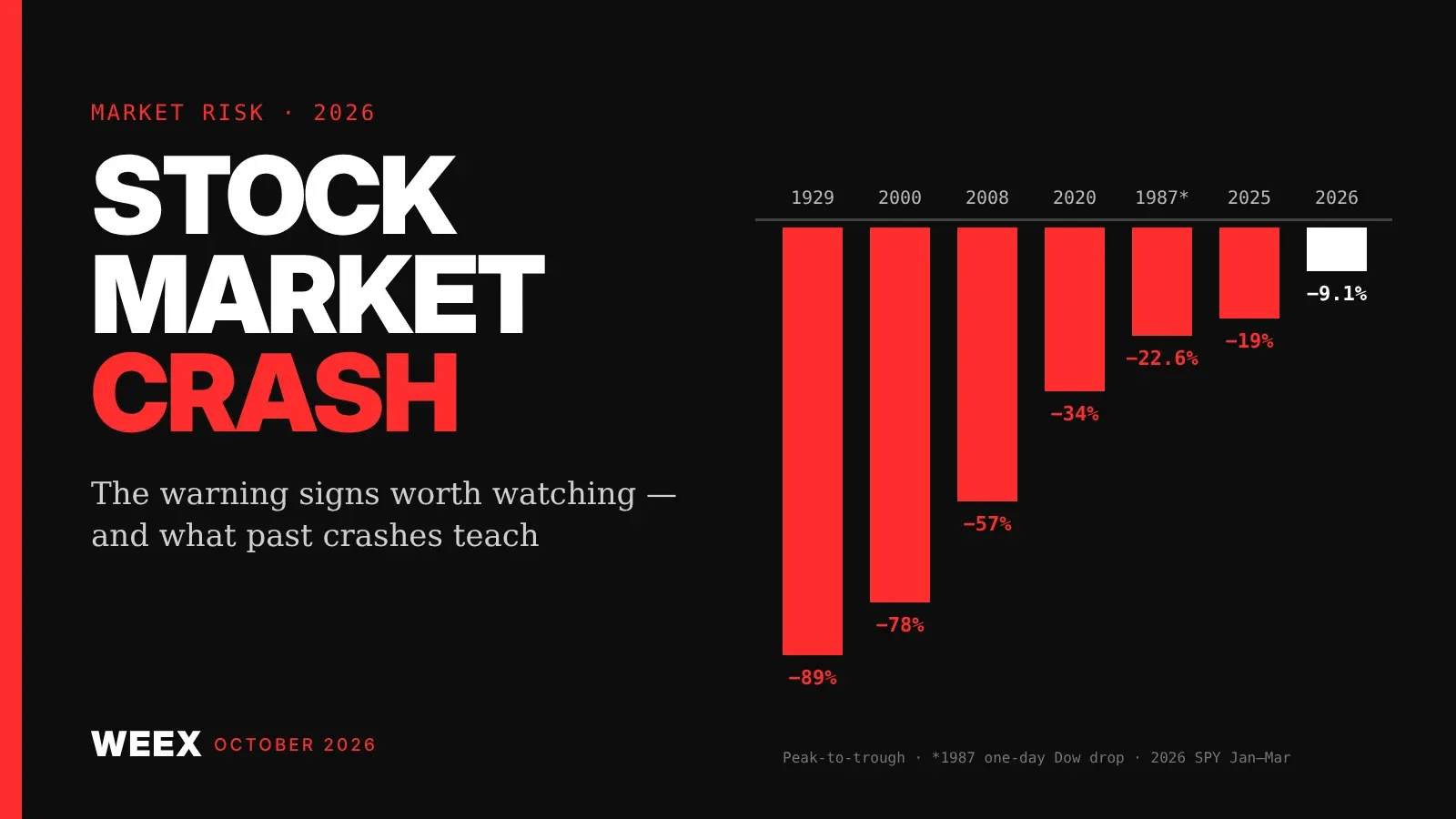
Stock Market Crash Risk in 2026: The Warning Signs Worth Watching
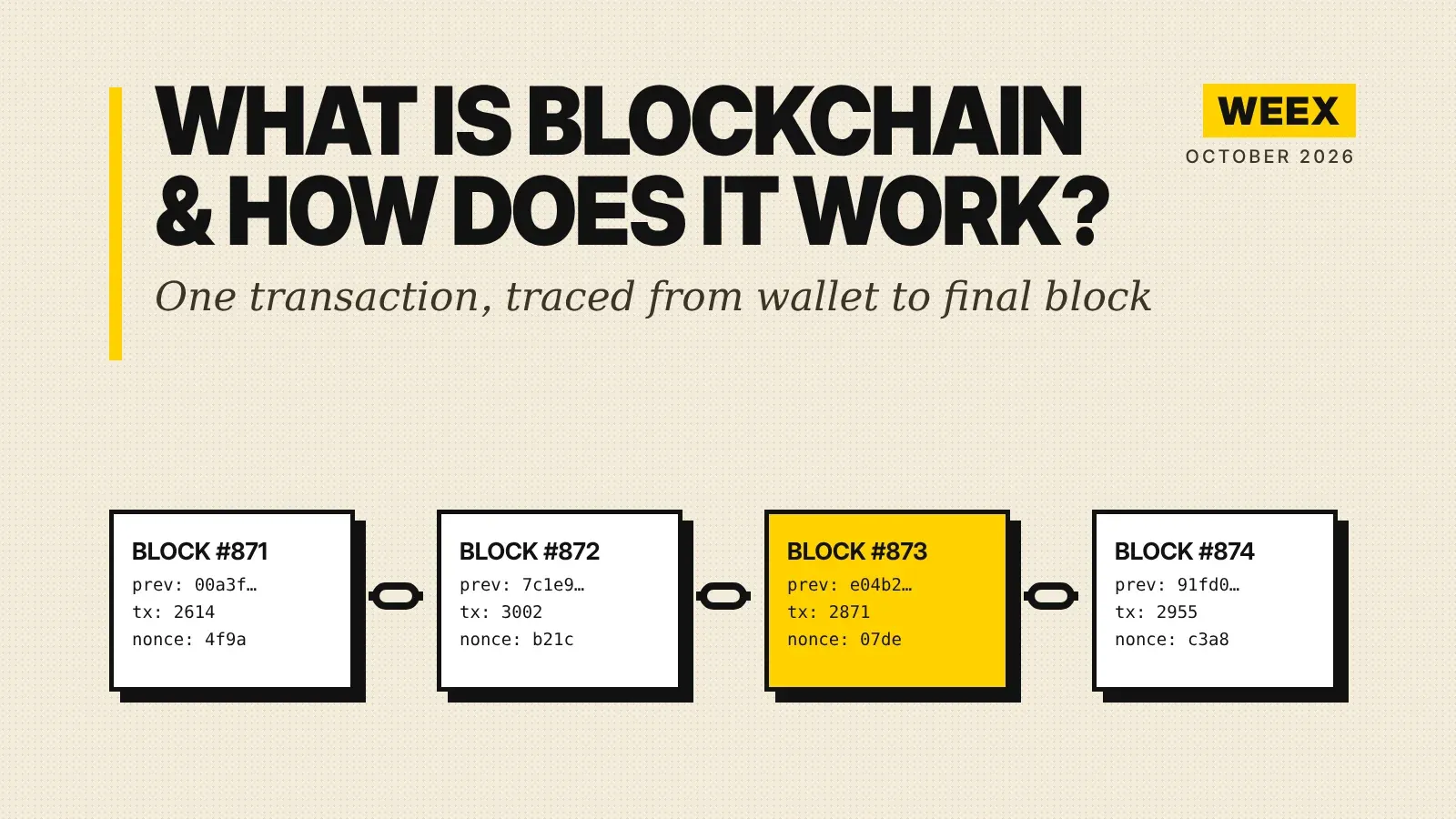
What Is Blockchain and How Does It Work? A Transaction Traced
How to Buy Crypto with PayPal: The Custody Catch Most Beginners Miss
What Is United States Dividend Fund (USDF)? October Launch Claims and Token Identity Checks
Is Your Crypto Wallet Safe? How to Verify Security Alerts and Spot Phishing
What Is HeyElsa (ELSA) Crypto and How Does It Work?
Best Crypto Leverage Trading Platform: Things to Compare Before You Choose an Exchange
Is RSI a Good Indicator? How the Relative Strength Index Works, Its Limits and How Traders Use It
Bitcoin Price After Hot CPI: Why BTC Is Pinned Near $82,000
Contents
Popular coins
Latest articles


