
NESA Shifts from Opposition to Neutral on CLARITY Act, Clearing a Major Obstacle for Voting

 Prefer us on Google

Coin Circle (120btc.CoM): The National Enforcement and Security Association (NESA) has recently made a significant shift in its stance on the CLARITY Act, officially changing its position to "neutral." In an open letter submitted this week to Senate Majority Leader John Thune and Minority Leader Chuck Schumer, the association's leadership stated that given the substantial efforts invested by the legislative body, the executive branch, and relevant stakeholders in this bill, the most pragmatic approach at this stage is to step back and allow the legislative process to proceed smoothly, thereby establishing the efficient regulatory framework urgently needed by the current market.
Looking back, NESA had previously submitted a letter of opposition to the Senate Banking Committee, raising serious concerns about the bill. Their core worry was that the bill exempts most registration obligations for crypto mixers, which law enforcement believes would severely undermine their ability to trace illegal funds on the blockchain and recover assets for victims. In July of this year, NESA's former enforcement executive Jim Skinner publicly criticized the bill for only protecting the crypto industry rather than the public interest, a statement that had been a central slogan for the opposition camp.
Escalating Stakes, Core Controversies and Timelines
NESA's neutral letter, co-signed by Association President Troy Wellman and CEO Justin Smith, is seen by the market as a significant turning point for the advancement of the bill. Here are the key developments in this legislative event:
Adjustment Motivation: NESA admitted that Congress and regulators have adequately addressed the complex legal and enforcement trade-offs in the bill, thus choosing not to obstruct further.
Key Vote: Majority Leader Thune introduced a motion before the August recess, and the Senate is expected to hold a cloture vote on September 15.
Legislative Status: The CLARITY Act successfully passed the House in July 2025, and the Senate Agriculture and Banking Committees also passed their respective amended versions in 2026. However, serious internal divisions remain on contentious issues such as the allocation of stablecoin revenues, tokenization of stocks, and potential conflicts of interest involving the Trump family.
Regulatory Pressure
The executive system and financial regulatory agencies are also continuing to build momentum for the final passage of the bill. In August of this year, President Donald Trump, along with SEC Chairman Paul Atkins, CFTC Chairman Michael Selig, and executives from several leading digital asset companies, publicly called on Congress to pass the bill.
At the same time, both regulatory agencies have sent clear backup signals: if Congress ultimately fails to complete the legislative loop, the SEC and CFTC will forcibly intervene in the crypto regulatory space based on their existing authority. This means that even if the bill fails, the market is unlikely to remain in a regulatory vacuum for long, but the entire industry will face an extremely fragmented and high-friction compliance environment.
In the Senate's procedural rules, a shift from "opposition" to "neutral" by core interest groups often holds more tactical value than direct "support," as it directly removes the pressure leverage for the minority to exploit. The biggest variable in current policy still focuses on the voting intentions within the Democratic Party. Some senators, represented by Ruben Gallego, have warned that a hasty vote could lead to policy shifts. Whether they can gather 60 votes in favor largely depends on the Republican camp's ability to successfully lobby 15 to 17 Democratic senators, and the political maneuvering within the Senate remains key to determining the fate of the bill.
-- Price
This content is provided for general informational purposes only and doesn't constitute financial, investment, legal, or tax advice. Any events, rewards, online promotions, or related information mentioned herein should not be considered a recommendation, solicitation, or invitation to purchase, sell, trade, or otherwise deal in any crypto assets. Crypto assets are highly volatile and may result in loss. The availability of WEEX services, products, and related events may vary by region. You are responsible for ensuring that your participation is in accordance with applicable local laws and regulations.
You may also like
NES token trading resumes on Binance Alpha and Kraken after $286M exploit
Attacker Steals $50 Million in NES, Only Profits $60,000

Cosmos Labs Faces Criticism Over Disclosure Bug Issue, Leading to Recommendations for EVM Chains to Halt Operations

Cosmos EVM Module Faces Security Incident, Multiple Chains Affected

Crypto: Over 10,000 Claims Against Restrictions by British Banks

AI agents are launching memecoins. MemeToro’s agent answers to open code

Crypto: The Tokenization of RWA Concerns American Conservatives

Pump.fun 'optimized for addiction': what the internal messages cited in court really say

Anthony Pompliano: The State Will Never Stop Printing Money! Bitcoin, Gold, and Land Will Benefit for 20 Years

Blocked Stablecoin: Your Private Key Is Not Enough
Cryptocurrencies Seek to Integrate into Finance
Introducing the Best Meme Coins on the Ripple Network: A Review of 5 Popular XRPL Tokens

Bitcoin's next Fed test comes with a hidden problem in America's inflation data
The crypto market loses altitude, patience becomes a habit – Steady Lads

Stablecoin Payments in Europe: How Do CASP, PI, and EMI Fit Together?
Why 22 Trillion-Dollar Giants Refuse to be 'Tokenized'?

Rayls Bridges Traditional Finance and Decentralized Finance
Is 24/7 Trading a Necessity? Analyzing the Real Trading Rhythm of RWA Perpetual Contracts

Cyberattack on GMO in Japan: Trading Accounts Compromised, GMO Coin Claims to be Unaffected
Elon Musk's Grand Scheme to Undermine New Cloud Providers
Google Earnings on Oct 28: Will the Fed Decision Move GOOGL Stock?
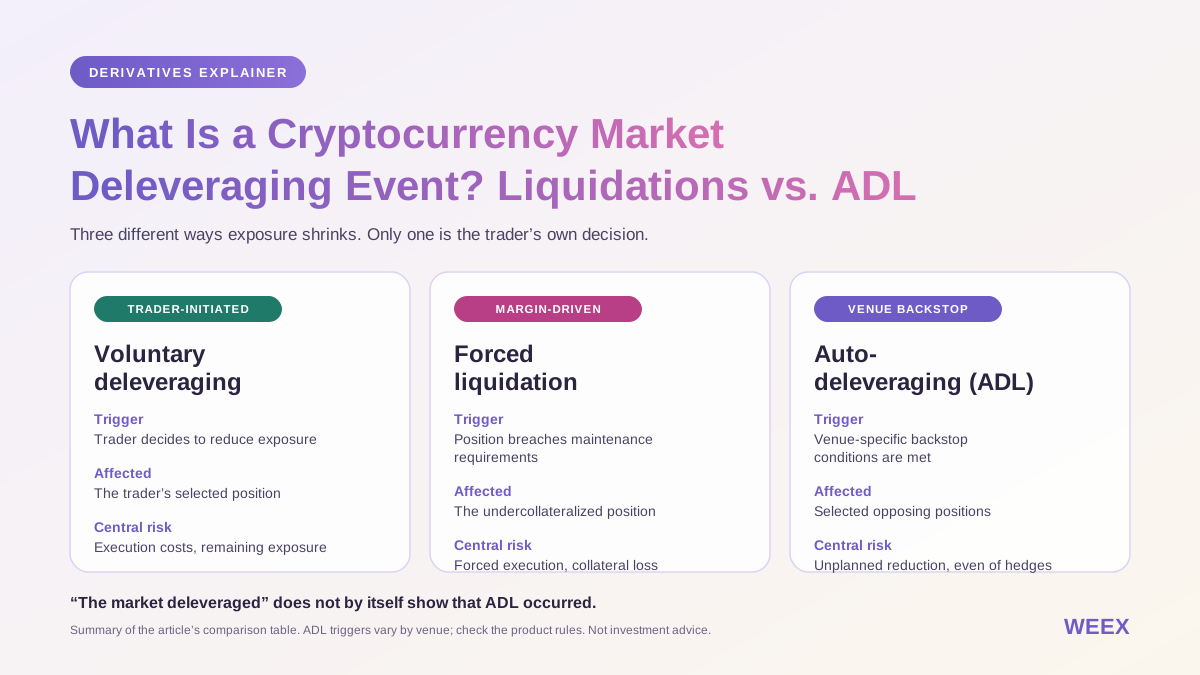
What Is a Cryptocurrency Market Deleveraging Event? Liquidations vs. ADL
Understand a cryptocurrency market deleveraging event: liquidation vs. ADL, misleading open-interest declines, hedge risks, and checks before trading.

The Week Ahead: 4 Key Moments for the Crypto Market
Do Prediction Markets Actually Bring Utility? – Tiger Research

Who Holds Tokenized Stocks? A Large Number of Retail Investors with Highly Concentrated Assets
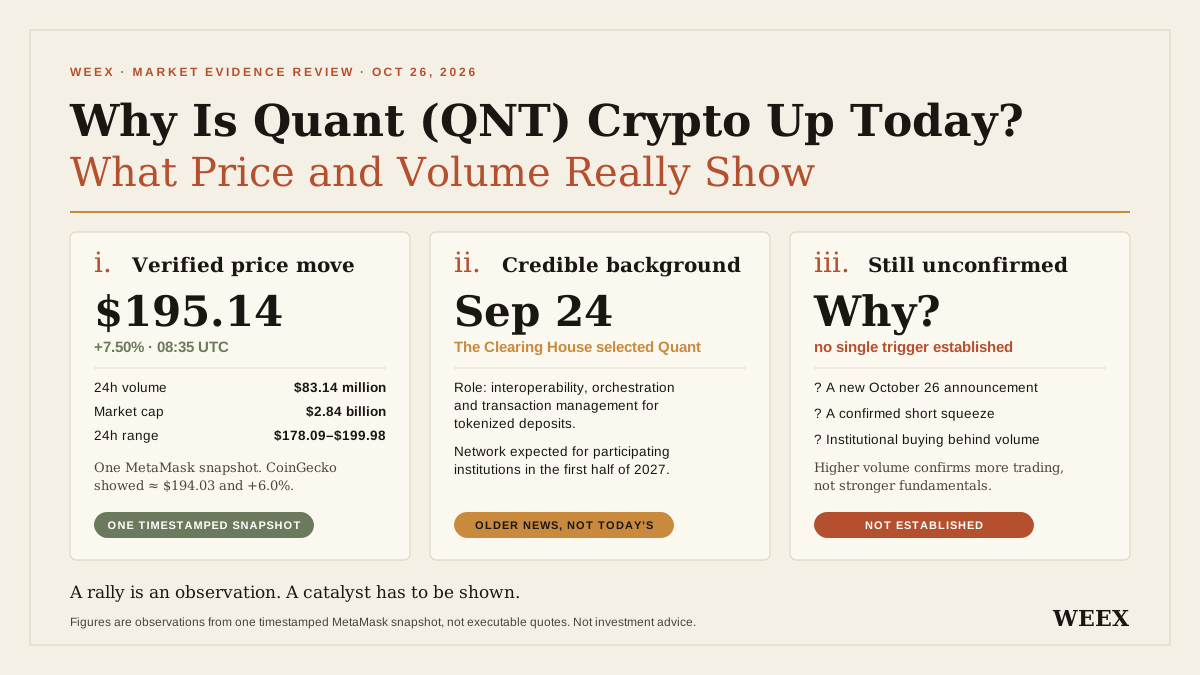
Why Is Quant (QNT) Crypto Up Today? What Price and Volume Really Show
Why is Quant (QNT) up today? Review price and volume evidence, the banking partnership timeline, token-demand assumptions, and risks before trading.
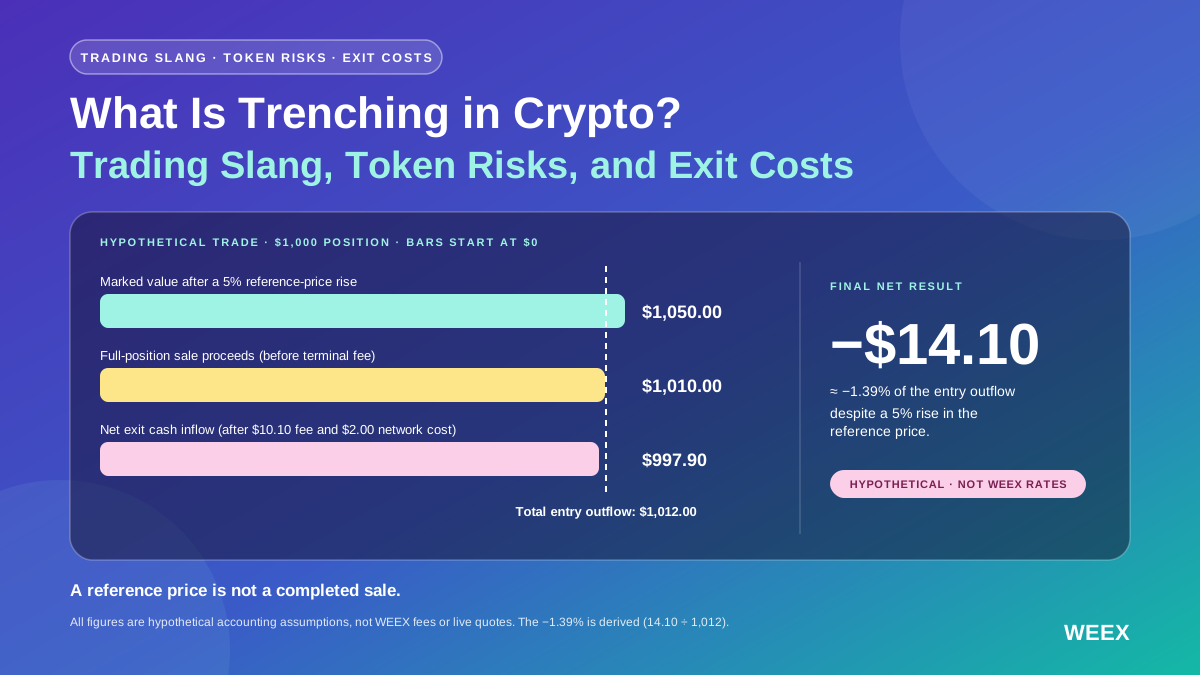
What Is Trenching in Crypto? Trading Slang, Token Risks, and Exit Costs
What is trenching in crypto? Learn the slang, token checks, liquidity risks, and how a rising token can still produce a loss after trading costs.

Flash Loans Secure Two Governance Seats: What Does the X100 Theft Teach the Industry?
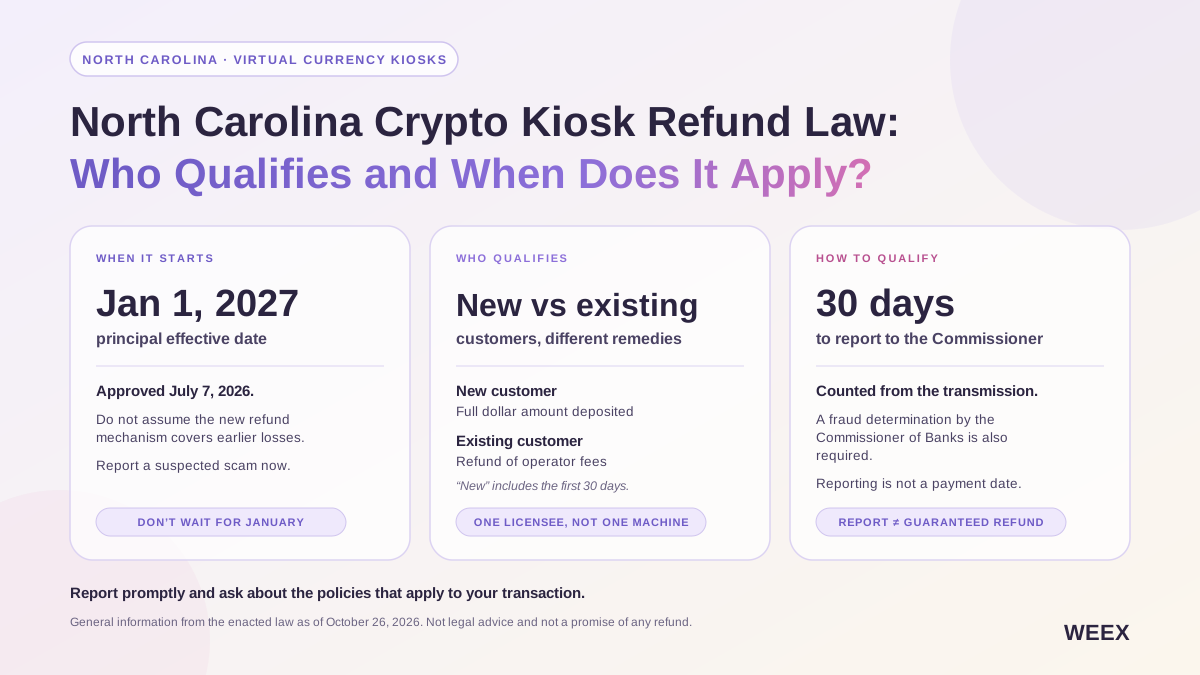
North Carolina Crypto Kiosk Refund Law: Who Qualifies and When Does It Apply?
Understand North Carolina’s crypto kiosk refund law: the January 2027 start date, who qualifies, reporting deadlines, and documents victims should keep.
AI Reduces Vulnerability Discovery Costs, Crypto Industry Divided in Response
NES token trading resumes on Binance Alpha and Kraken after $286M exploit
Attacker Steals $50 Million in NES, Only Profits $60,000
Cosmos Labs Faces Criticism Over Disclosure Bug Issue, Leading to Recommendations for EVM Chains to Halt Operations
Cosmos EVM Module Faces Security Incident, Multiple Chains Affected
Crypto: Over 10,000 Claims Against Restrictions by British Banks
AI agents are launching memecoins. MemeToro’s agent answers to open code


