
Cosmos Labs Faces Criticism Over Disclosure Bug Issue, Leading to Recommendations for EVM Chains to Halt Operations

 Prefer us on Google


Cosmos Labs Faces Criticism Over Disclosure Bug Issue, Leading to Recommendations for EVM Chains to Halt Operations
A serious security flaw has been discovered in the shared modules that make up the Cosmos EVM infrastructure, resulting in multiple blockchain networks being affected by attacks that exploited this vulnerability.
Specifically, it is believed that vulnerabilities arose from a combination of several upstream defects, including calculation errors in staking processes, such as underflows. Among the affected networks, MANTRA and Nesa were able to prevent direct impacts on user funds through proactive chain halting measures.
On the other hand, KiiChain suffered a loss of approximately 150 million KII, equivalent to about $9 million at the time's theoretical price (around 1.43 billion yen), leading to a collapse in token prices. Additionally, around 3 billion TAC, worth approximately $7.5 million (about 1.19 billion yen), was withdrawn from staking contracts, resulting in significant losses being reported.
Growing Criticism from the Community Regarding Disclosure Practices
In this series of incidents, the most strongly criticized aspect by the security community in the cryptocurrency industry and the affected projects is the information-sharing process of Cosmos Labs, the module developer.
After the situation was revealed, Cosmos Labs urgently recommended the halting of EVM chain operations for the affected networks. However, the disclosure of vulnerability fixes that occurred prior to this was handled in a manner close to a silent patch model (post-fix without public disclosure), which has been criticized as extremely inadequate.
Delayed Response and Future Challenges
According to a verification report published by KiiChain, when a critical patch was made public in mid-August, individual notifications were not sent to the affected chains in advance, and there was insufficient warning regarding the importance of the update. As a result, attackers were able to exploit the vulnerability before the patch was applied, having analyzed the code updates.
It has been pointed out that if clear emergency halting measures had been communicated after prior non-public notifications, the damage could have been minimized. Cosmos Labs plans to submit a detailed incident report, but this case has left significant challenges regarding the coordination and disclosure processes of vulnerability information among infrastructure providers in the industry.
-- Price
This content is provided for general informational purposes only and doesn't constitute financial, investment, legal, or tax advice. Any events, rewards, online promotions, or related information mentioned herein should not be considered a recommendation, solicitation, or invitation to purchase, sell, trade, or otherwise deal in any crypto assets. Crypto assets are highly volatile and may result in loss. The availability of WEEX services, products, and related events may vary by region. You are responsible for ensuring that your participation is in accordance with applicable local laws and regulations.
You may also like
NES token trading resumes on Binance Alpha and Kraken after $286M exploit

NESA Shifts from Opposition to Neutral on CLARITY Act, Clearing a Major Obstacle for Voting

Attacker Steals $50 Million in NES, Only Profits $60,000

Cosmos EVM Module Faces Security Incident, Multiple Chains Affected

AI agents are launching memecoins. MemeToro’s agent answers to open code

Crypto: The Tokenization of RWA Concerns American Conservatives

Pump.fun 'optimized for addiction': what the internal messages cited in court really say

Anthony Pompliano: The State Will Never Stop Printing Money! Bitcoin, Gold, and Land Will Benefit for 20 Years

Blocked Stablecoin: Your Private Key Is Not Enough
Cryptocurrencies Seek to Integrate into Finance
Introducing the Best Meme Coins on the Ripple Network: A Review of 5 Popular XRPL Tokens

Bitcoin's next Fed test comes with a hidden problem in America's inflation data
The crypto market loses altitude, patience becomes a habit – Steady Lads

Stablecoin Payments in Europe: How Do CASP, PI, and EMI Fit Together?
Why 22 Trillion-Dollar Giants Refuse to be 'Tokenized'?

Rayls Bridges Traditional Finance and Decentralized Finance
Is 24/7 Trading a Necessity? Analyzing the Real Trading Rhythm of RWA Perpetual Contracts
Cyberattack on GMO in Japan: Trading Accounts Compromised, GMO Coin Claims to be Unaffected
Elon Musk's Grand Scheme to Undermine New Cloud Providers
Google Earnings on Oct 28: Will the Fed Decision Move GOOGL Stock?
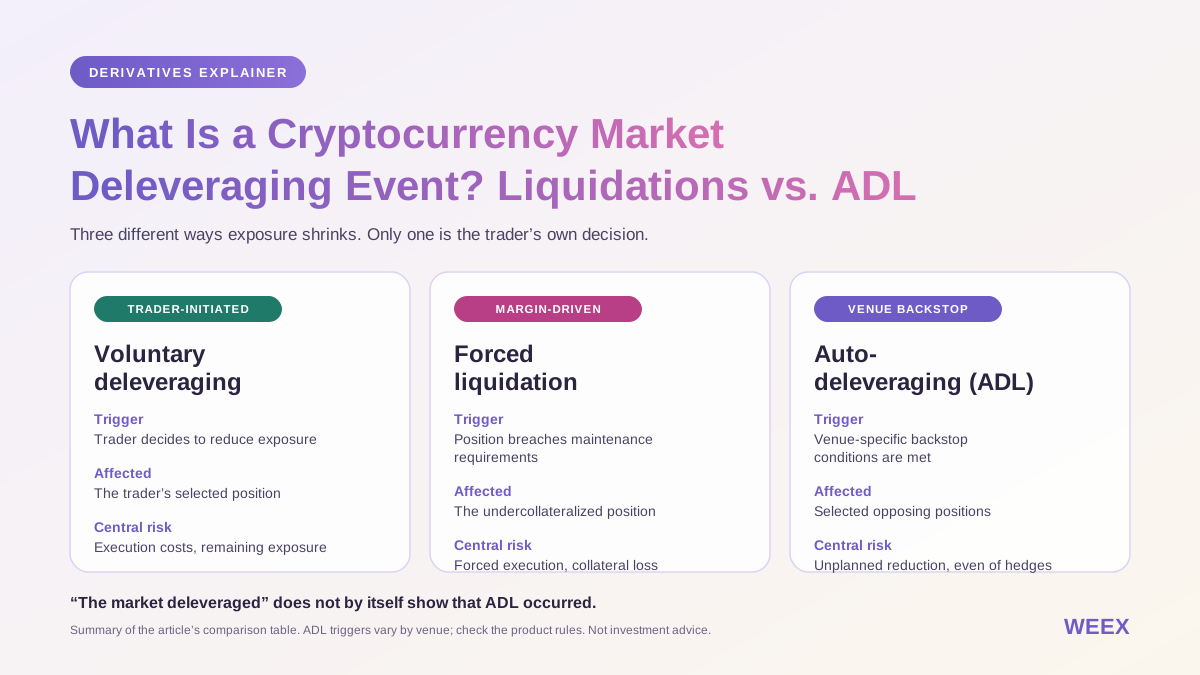
What Is a Cryptocurrency Market Deleveraging Event? Liquidations vs. ADL
Understand a cryptocurrency market deleveraging event: liquidation vs. ADL, misleading open-interest declines, hedge risks, and checks before trading.
The Week Ahead: 4 Key Moments for the Crypto Market
Do Prediction Markets Actually Bring Utility? – Tiger Research

Who Holds Tokenized Stocks? A Large Number of Retail Investors with Highly Concentrated Assets
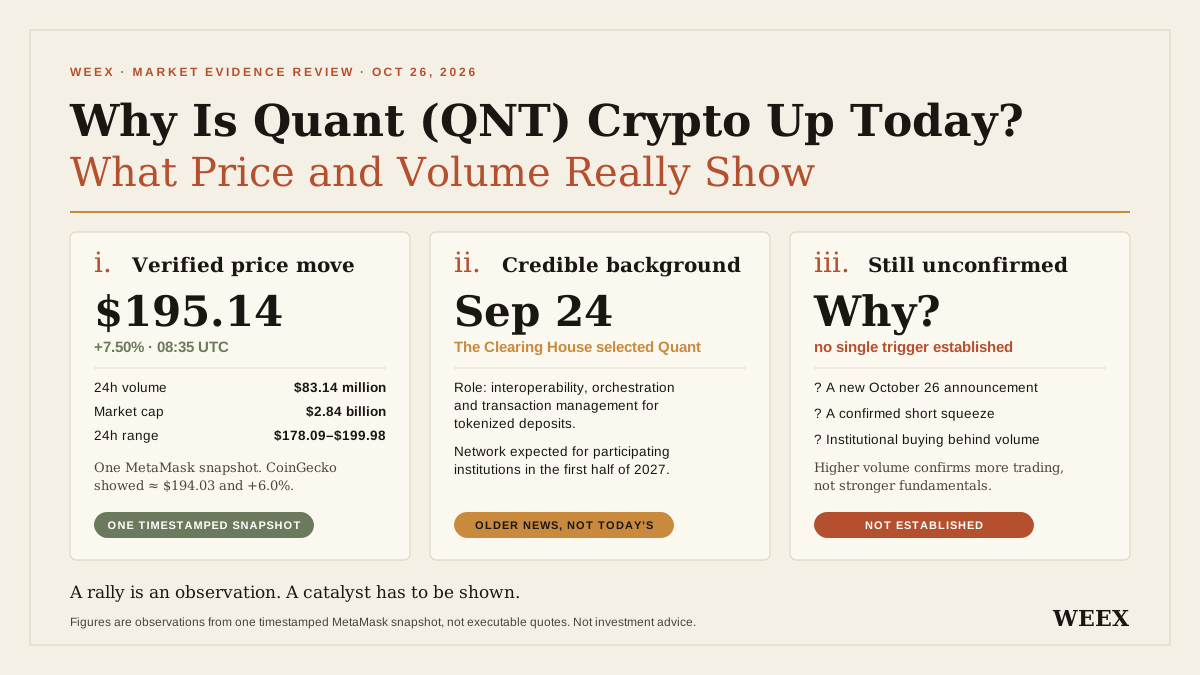
Why Is Quant (QNT) Crypto Up Today? What Price and Volume Really Show
Why is Quant (QNT) up today? Review price and volume evidence, the banking partnership timeline, token-demand assumptions, and risks before trading.
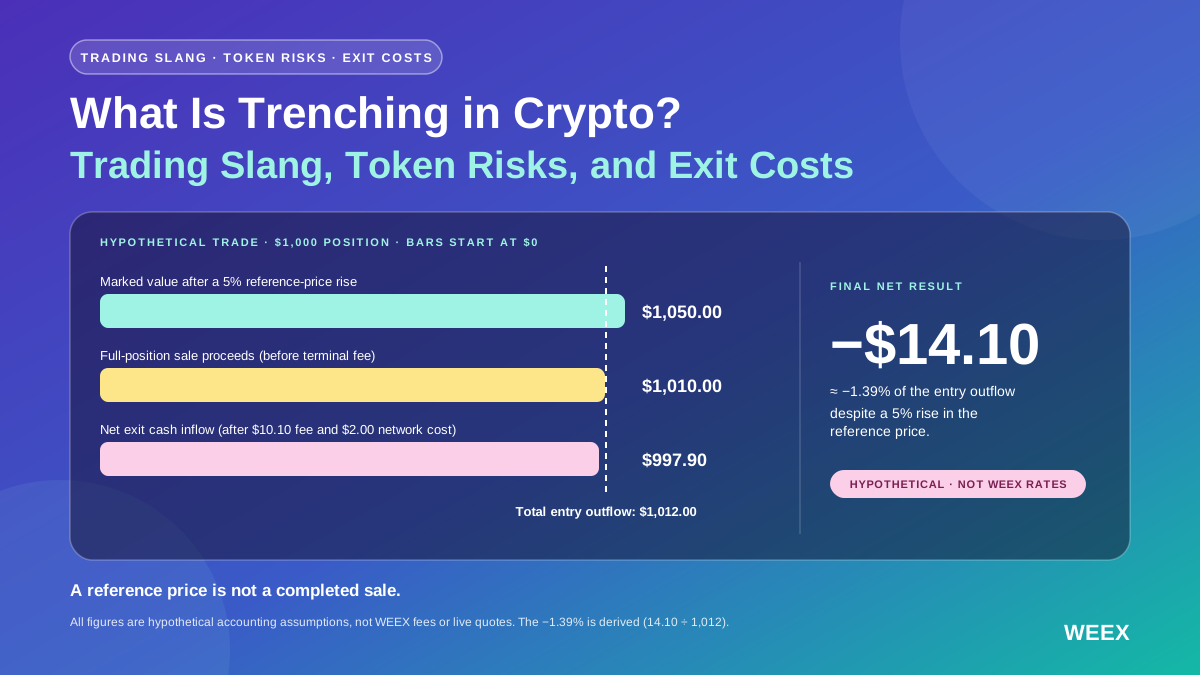
What Is Trenching in Crypto? Trading Slang, Token Risks, and Exit Costs
What is trenching in crypto? Learn the slang, token checks, liquidity risks, and how a rising token can still produce a loss after trading costs.

Flash Loans Secure Two Governance Seats: What Does the X100 Theft Teach the Industry?
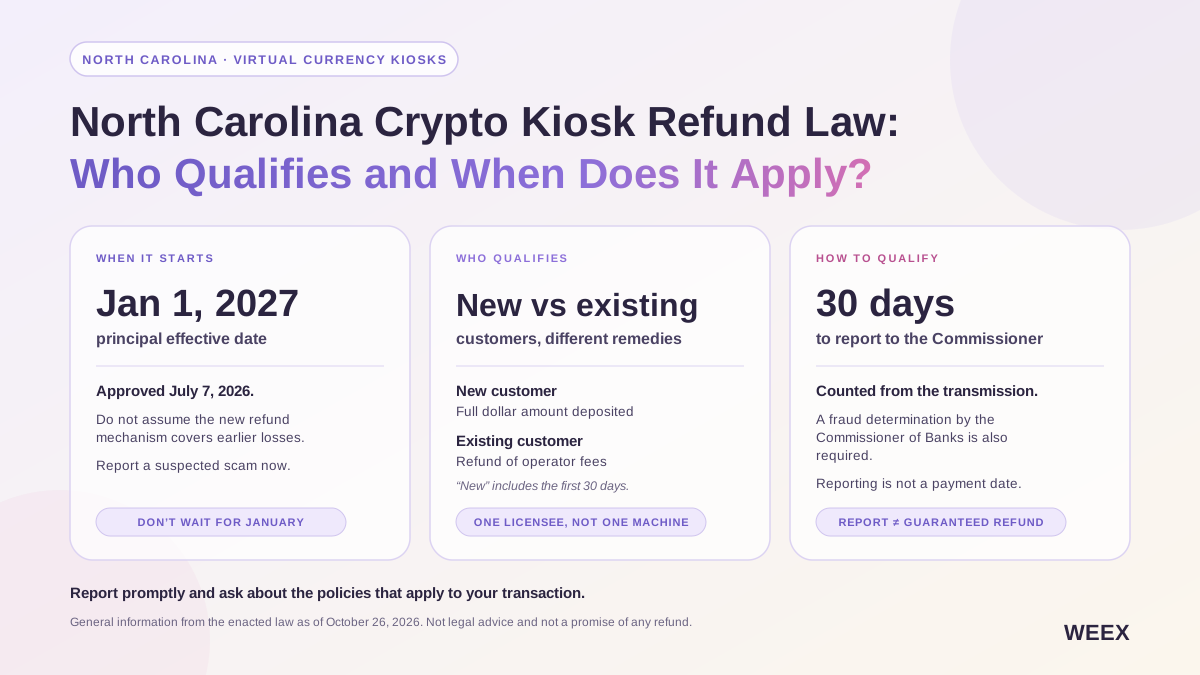
North Carolina Crypto Kiosk Refund Law: Who Qualifies and When Does It Apply?
Understand North Carolina’s crypto kiosk refund law: the January 2027 start date, who qualifies, reporting deadlines, and documents victims should keep.
AI Reduces Vulnerability Discovery Costs, Crypto Industry Divided in Response
Ethereum: Glamsterdam postponed after risks detected on 13 contracts
NES token trading resumes on Binance Alpha and Kraken after $286M exploit
NESA Shifts from Opposition to Neutral on CLARITY Act, Clearing a Major Obstacle for Voting
Attacker Steals $50 Million in NES, Only Profits $60,000
Cosmos EVM Module Faces Security Incident, Multiple Chains Affected
AI agents are launching memecoins. MemeToro’s agent answers to open code
Crypto: The Tokenization of RWA Concerns American Conservatives


