
ZachXBT: Circle has repeatedly failed in compliance actions, involving an amount exceeding 420 million dollars

 Prefer us on Google


On-chain detective ZachXBT released an investigative report on Circle, stating that since 2022, the company has faced issues of "poor compliance enforcement" in multiple incidents involving illegal funds, with a total amount exceeding $420 million.
The report points out that Circle, as the issuer of USDC, has always been known for its regulated and well-compliant system. Its token contracts also have the functionality to freeze and blacklist addresses, and it explicitly reserves the right to restrict suspicious accounts in its terms of service. However, these mechanisms were not used timely and effectively during several major security incidents.
The report highlights the attack on Drift Protocol on April 1, 2026, where approximately $280 million in assets were stolen. The attacker used Circle's own cross-chain bridge CCTP to transfer over $232 million USDC from Solana to Ethereum within 6 hours, but no assets were frozen during this period. Similar situations occurred in attacks on SwapNet, Cetus Protocol, and Mango Markets, where in some cases, even after law enforcement and industry experts issued freeze requests, Circle still did not take timely action, and even processed the situation only after the assets had been transferred.
Additionally, the report noted that in the money laundering investigation involving the hacker group Lazarus Group, Circle's response was significantly slower compared to other stablecoin issuers (such as Tether, Paxos, etc.). In some cases, freeze operations were delayed for several months. Similar delays were also seen in the Ledger supply chain attack and the GMX attack, where USDC remained in suspicious addresses for several hours or even longer without being frozen.
ZachXBT stated in the report that this disclosure does not negate the value of Circle's products or the stablecoin itself, but emphasizes that its compliance enforcement decisions have caused "real and significant losses" to the industry.
He pointed out that over the past three years, due to multiple failures to act in a timely manner, the DeFi ecosystem has accumulated losses reaching nine figures, and the $420 million is only a conservative estimate of publicly known cases, with the actual scale potentially being higher.
-- Price
This content is provided for general informational purposes only and doesn't constitute financial, investment, legal, or tax advice. Any events, rewards, online promotions, or related information mentioned herein should not be considered a recommendation, solicitation, or invitation to purchase, sell, trade, or otherwise deal in any crypto assets. Crypto assets are highly volatile and may result in loss. The availability of WEEX services, products, and related events may vary by region. You are responsible for ensuring that your participation is in accordance with applicable local laws and regulations.
You may also like

Ethereum Foundation backs default wallet privacy as Kohaku work advances

Manus quietly released its 2.0 declaration

Justin Sun Prize Partners With MathDB, Led by Caltech Professor Tony Yue Yu, on 50-Problem Pilot

CFTC advances voluntary crypto exchange registration as Congress stalls

Crypto: Over 10,000 Claims Against Restrictions by British Banks

AI agents are launching memecoins. MemeToro’s agent answers to open code

Crypto: The Tokenization of RWA Concerns American Conservatives

Pump.fun 'optimized for addiction': what the internal messages cited in court really say

Anthony Pompliano: The State Will Never Stop Printing Money! Bitcoin, Gold, and Land Will Benefit for 20 Years

Blocked Stablecoin: Your Private Key Is Not Enough

Cryptocurrencies Seek to Integrate into Finance
Introducing the Best Meme Coins on the Ripple Network: A Review of 5 Popular XRPL Tokens

Bitcoin's next Fed test comes with a hidden problem in America's inflation data
The crypto market loses altitude, patience becomes a habit – Steady Lads

Stablecoin Payments in Europe: How Do CASP, PI, and EMI Fit Together?
Why 22 Trillion-Dollar Giants Refuse to be 'Tokenized'?

Rayls Bridges Traditional Finance and Decentralized Finance

Is 24/7 Trading a Necessity? Analyzing the Real Trading Rhythm of RWA Perpetual Contracts

Cyberattack on GMO in Japan: Trading Accounts Compromised, GMO Coin Claims to be Unaffected
Elon Musk's Grand Scheme to Undermine New Cloud Providers
Google Earnings on Oct 28: Will the Fed Decision Move GOOGL Stock?
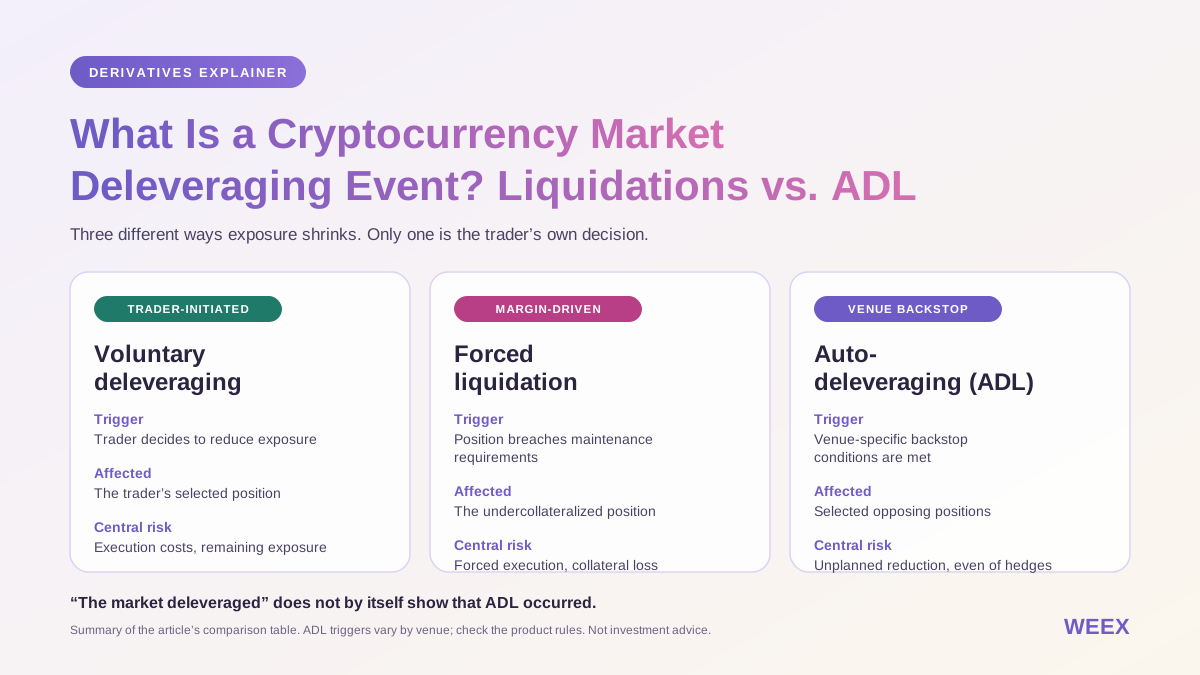
What Is a Cryptocurrency Market Deleveraging Event? Liquidations vs. ADL
Understand a cryptocurrency market deleveraging event: liquidation vs. ADL, misleading open-interest declines, hedge risks, and checks before trading.
The Week Ahead: 4 Key Moments for the Crypto Market
Do Prediction Markets Actually Bring Utility? – Tiger Research

Who Holds Tokenized Stocks? A Large Number of Retail Investors with Highly Concentrated Assets
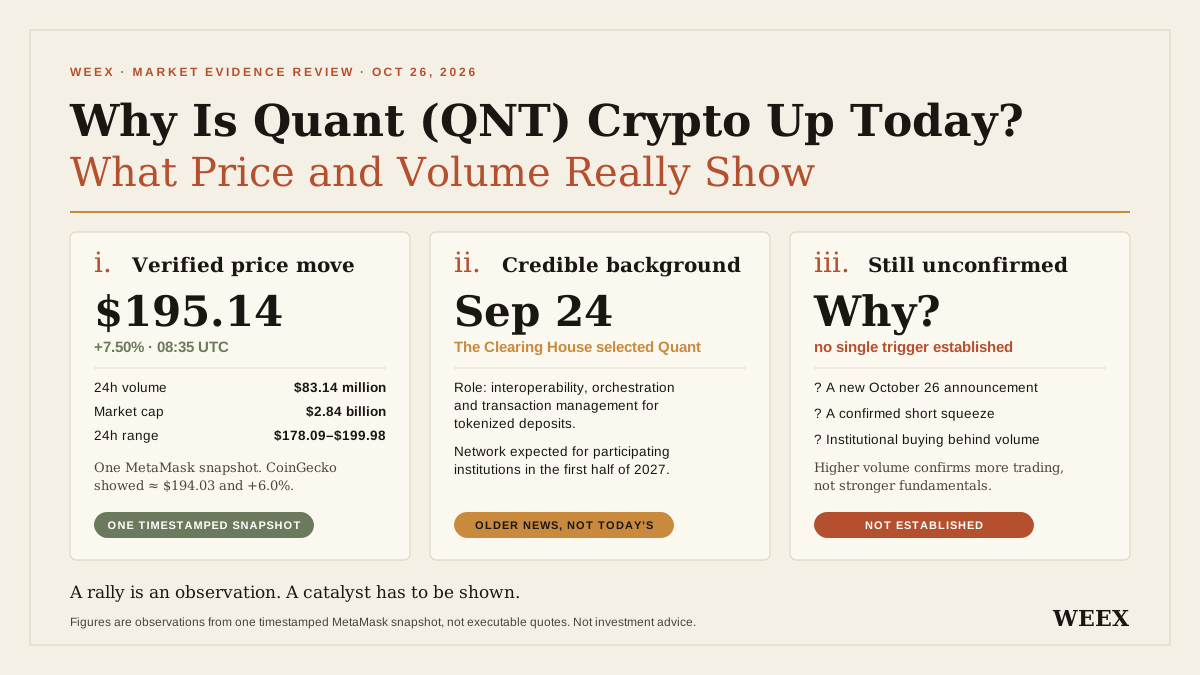
Why Is Quant (QNT) Crypto Up Today? What Price and Volume Really Show
Why is Quant (QNT) up today? Review price and volume evidence, the banking partnership timeline, token-demand assumptions, and risks before trading.
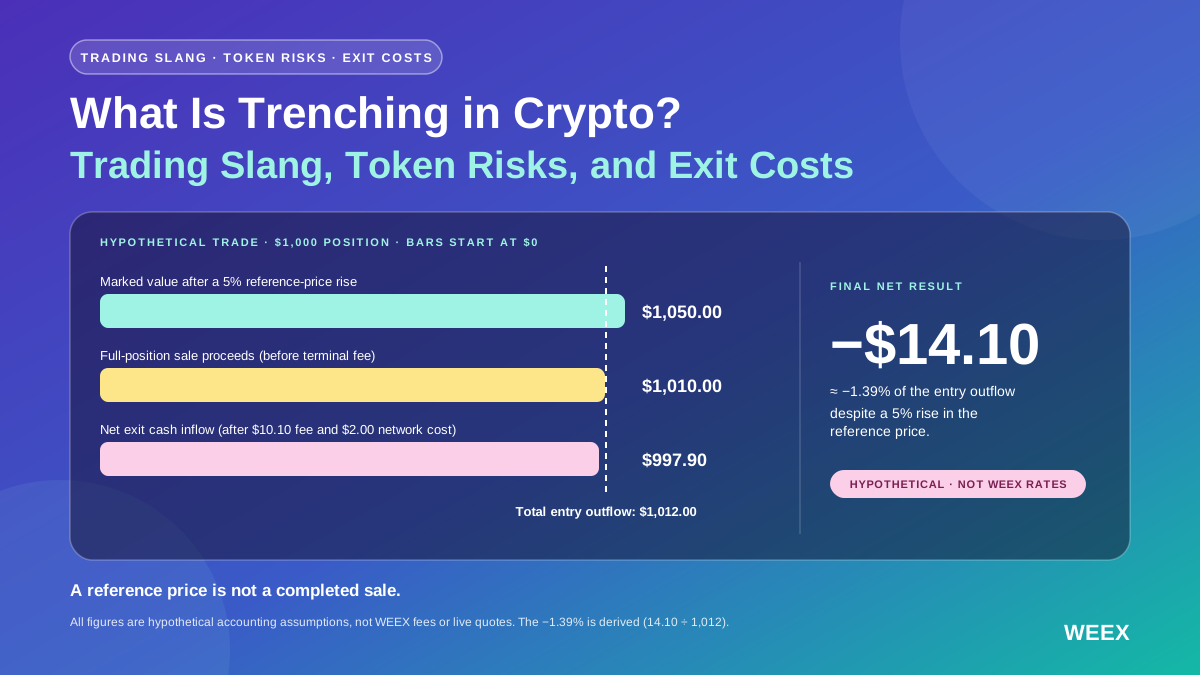
What Is Trenching in Crypto? Trading Slang, Token Risks, and Exit Costs
What is trenching in crypto? Learn the slang, token checks, liquidity risks, and how a rising token can still produce a loss after trading costs.

Flash Loans Secure Two Governance Seats: What Does the X100 Theft Teach the Industry?
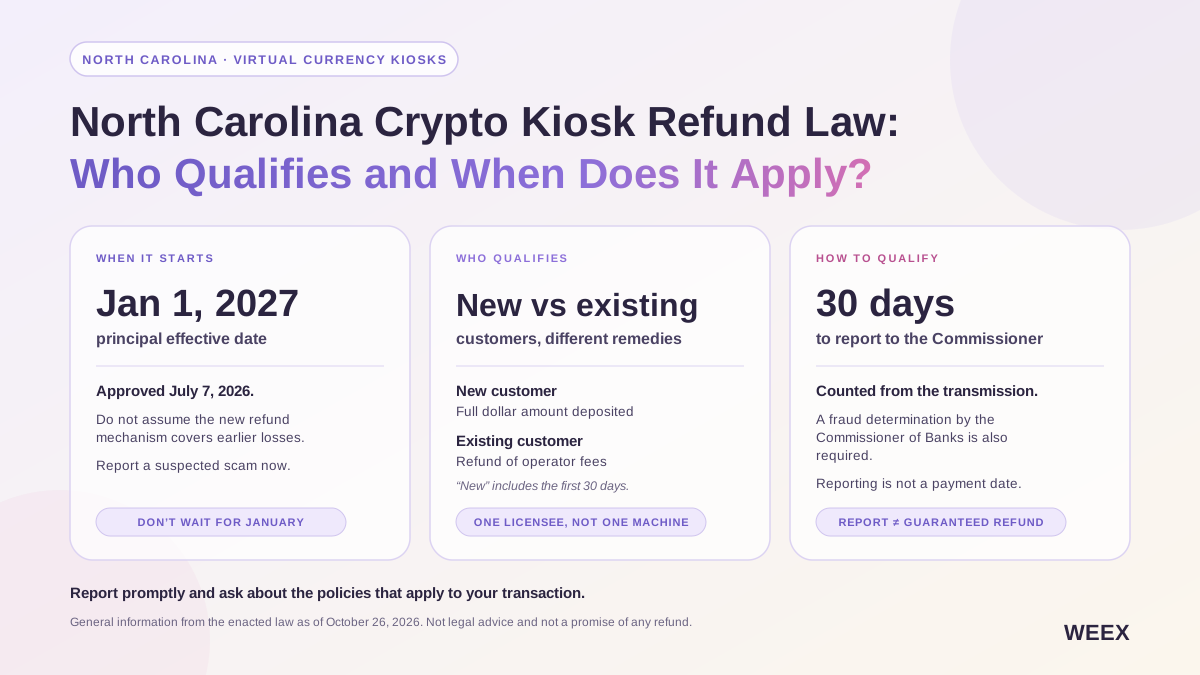
North Carolina Crypto Kiosk Refund Law: Who Qualifies and When Does It Apply?
Understand North Carolina’s crypto kiosk refund law: the January 2027 start date, who qualifies, reporting deadlines, and documents victims should keep.
AI Reduces Vulnerability Discovery Costs, Crypto Industry Divided in Response
Ethereum Foundation backs default wallet privacy as Kohaku work advances
Manus quietly released its 2.0 declaration
Justin Sun Prize Partners With MathDB, Led by Caltech Professor Tony Yue Yu, on 50-Problem Pilot
CFTC advances voluntary crypto exchange registration as Congress stalls
Crypto: Over 10,000 Claims Against Restrictions by British Banks
AI agents are launching memecoins. MemeToro’s agent answers to open code


