
Aave Advances Native Bitcoin Collateral Proposal

 Prefer us on Google


Babylon Labs has proposed to enable native Bitcoin collateral for Aave V4 without the need for wrapped BTC or a central custodian. This proposal, presented on October 14, is currently under community review, risk analysis, and governance votes. The design utilizes Trustless Bitcoin Vaults, allowing users to lock BTC in a Taproot-based arrangement on the Bitcoin network, while Aave V4 records restricted collateral units in a dedicated lending market. These units are not intended to circulate like standard wrapped Bitcoin. The proposal aims to allow holders to borrow stablecoins against their BTC while adhering to Bitcoin-side spending conditions. However, the integration is not yet approved, as it is still in the governance stage, requiring risk parameters, community support, a Snapshot vote, and an eventual on-chain proposal. Participants in the forum have raised technical questions regarding emergency pauses and control over the vault infrastructure, which are critical in lending scenarios. This initiative represents a significant effort to link Bitcoin liquidity with Ethereum-style lending, with key operational questions still being addressed.
-- Price
This content is provided for general informational purposes only and doesn't constitute financial, investment, legal, or tax advice. Any events, rewards, online promotions, or related information mentioned herein should not be considered a recommendation, solicitation, or invitation to purchase, sell, trade, or otherwise deal in any crypto assets. Crypto assets are highly volatile and may result in loss. The availability of WEEX services, products, and related events may vary by region. You are responsible for ensuring that your participation is in accordance with applicable local laws and regulations.
You may also like

Native Bitcoin collateral on Aave triggers WBTC pool deficit

Babylon Labs Proposes Adding Native Bitcoin as Collateral in Aave V4

Best Bitcoin staking platforms in 2026: BTC yield compared

Rialo eyes South Korea as institutions look to move financial services onchain

Solv Raises $25 Million, Stuck with 50 Bitcoins

The End of an Ideal: Why the Crypto Industry is Heading Towards Homogenization?

How Stacks plans to build the home of Bitcoin-native finance

BTC Only 1.5% Monetized, Expanding Native Financial Experiments

The generation that grew up with cryptocurrencies is investing like their grandparents

HashKey Cloud and Cactus Custody Form Strategic Partnership to Create Institutional-Grade Staking Services

What is restaking and how EigenLayer turns staked ETH into shared security

HSBC: 45% of wealthy investors to increase crypto exposure in 12 months
2-Year-Old Girl Dies in Villa Gesell, Investigation Underway: Her Mother Had Been Acquitted in the Deaths of Two Other Daughters

UPBIT will list Babylon (BABY) and support the KRW market
Babylon Foundation: Will deposit 3 million USDT into Aave to show support for DeFi

Anthony Pompliano: The State Will Never Stop Printing Money! Bitcoin, Gold, and Land Will Benefit for 20 Years

Blocked Stablecoin: Your Private Key Is Not Enough

Cryptocurrencies Seek to Integrate into Finance
Introducing the Best Meme Coins on the Ripple Network: A Review of 5 Popular XRPL Tokens

Bitcoin's next Fed test comes with a hidden problem in America's inflation data
The crypto market loses altitude, patience becomes a habit – Steady Lads

Stablecoin Payments in Europe: How Do CASP, PI, and EMI Fit Together?
Why 22 Trillion-Dollar Giants Refuse to be 'Tokenized'?

Rayls Bridges Traditional Finance and Decentralized Finance

Is 24/7 Trading a Necessity? Analyzing the Real Trading Rhythm of RWA Perpetual Contracts

Cyberattack on GMO in Japan: Trading Accounts Compromised, GMO Coin Claims to be Unaffected

Elon Musk's Grand Scheme to Undermine New Cloud Providers
Google Earnings on Oct 28: Will the Fed Decision Move GOOGL Stock?
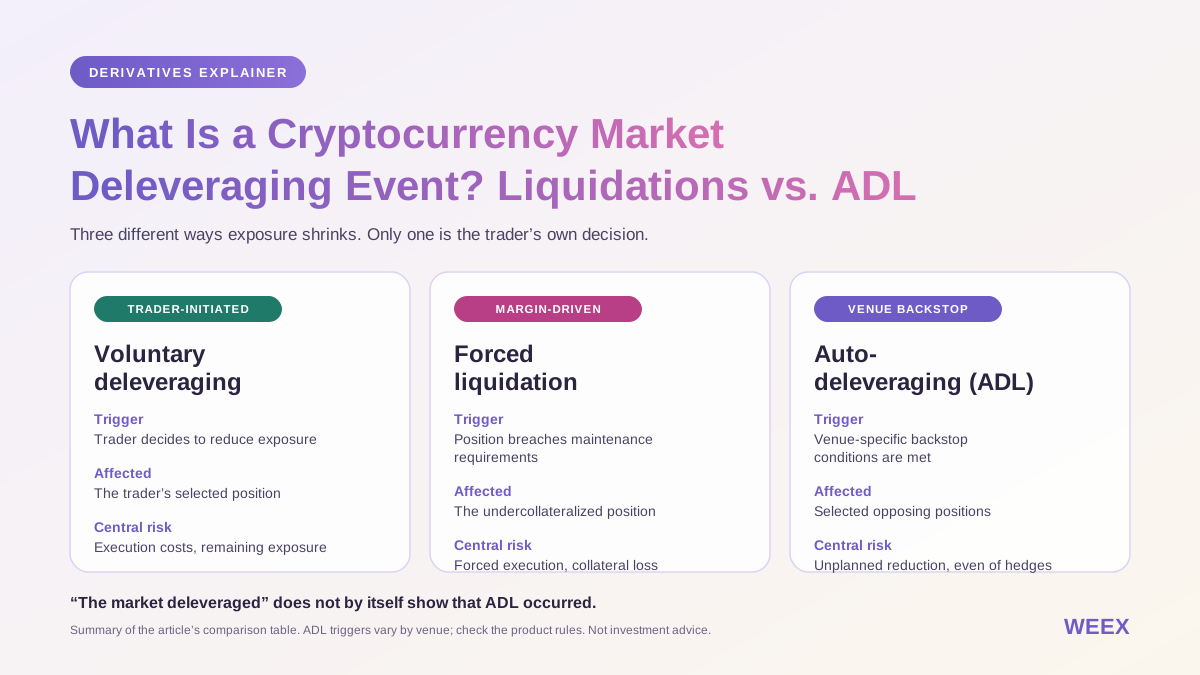
What Is a Cryptocurrency Market Deleveraging Event? Liquidations vs. ADL
Understand a cryptocurrency market deleveraging event: liquidation vs. ADL, misleading open-interest declines, hedge risks, and checks before trading.

The Week Ahead: 4 Key Moments for the Crypto Market
Native Bitcoin collateral on Aave triggers WBTC pool deficit
Babylon Labs Proposes Adding Native Bitcoin as Collateral in Aave V4
Best Bitcoin staking platforms in 2026: BTC yield compared
Rialo eyes South Korea as institutions look to move financial services onchain
Solv Raises $25 Million, Stuck with 50 Bitcoins
The End of an Ideal: Why the Crypto Industry is Heading Towards Homogenization?


