
Safest Crypto Wallet in 2026: Matching Wallet Type to the Threat You're Actually Worried About

 Prefer us on Google


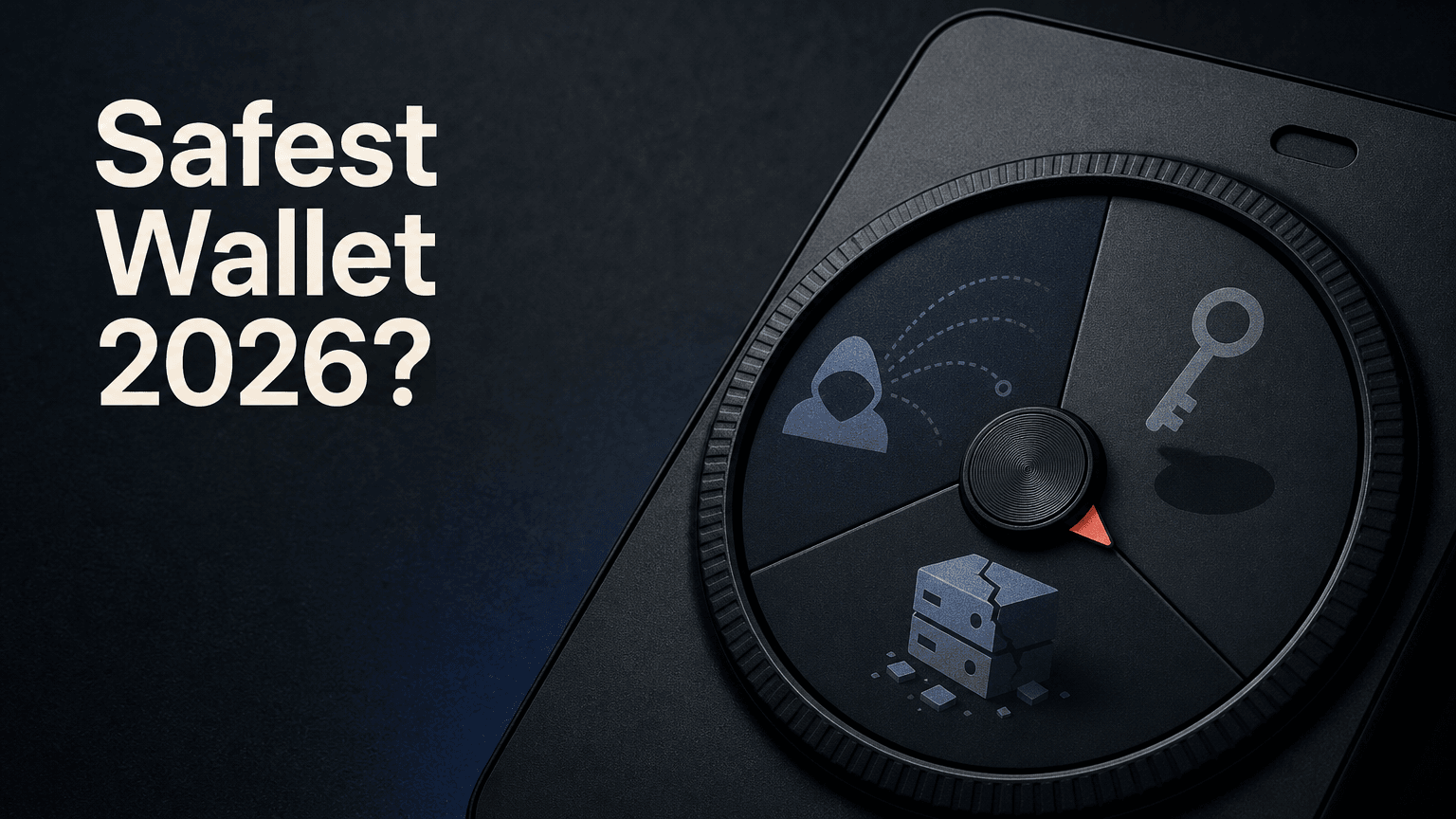
Searching for the safest crypto wallet usually turns up a list of features: cold storage, seed phrases, two factor authentication. What that framing skips is that no wallet defends against every kind of risk equally well. A hardware wallet that's excellent against remote hackers does nothing to protect you if you misplace it. An exchange account that removes seed phrase risk entirely still depends on that platform's own solvency. The more useful question isn't which wallet is safest in the abstract, it's which threat you're actually trying to reduce, and which wallet type is built for that specific job.
Four Different Things "Unsafe" Can Mean
Before comparing wallet types, it helps to separate the risks that get lumped together under "wallet security." Remote attack is someone reaching your funds over the internet, through malware, a phishing site, or a malicious transaction approval, without ever touching your device physically. Physical loss or theft is losing a device, having it stolen, or a hardware failure that takes your access with it. Your own error covers sending to the wrong address, approving something you didn't read, or simply forgetting where a backup is. Custodial risk is a different category entirely: the platform holding your funds fails, freezes withdrawals, or gets hacked, and the problem isn't your key management at all, because you never held the key.
Every wallet type trades these off differently. A setup that's excellent against one is often only mediocre against another, which is why matching the wallet to the actual worry matters more than chasing a single "safest" label.
Hardware Wallets: Strong Against Remote Attack, Weak Against Loss
A hardware wallet's core advantage is that private keys never touch an internet-connected device during a transaction, which is precisely what makes it effective against remote attack. Malware on your computer, a fake browser extension, or a compromised website can't reach keys that were never exposed to that environment in the first place.
What a hardware wallet doesn't solve is the other three risks. It's a physical object, so it can be lost, stolen, or damaged, and your protection against that specific failure mode is entirely a function of how well you backed up the recovery phrase, which is a human process the device itself can't enforce. It also does nothing about your own mistakes: a hardware wallet will faithfully execute a transaction to the wrong address just as easily as a software one will, and reading what you're actually signing on the device screen is still something you have to do yourself.
Software Wallets: Convenient, but Only as Secure as the Device Underneath
A software wallet trades some of that remote attack protection for accessibility, since the keys live on a phone or computer that's connected to the internet by design. That's the right tool when you're interacting with on chain applications regularly, because a hardware wallet's isolation becomes friction rather than protection if you're approving transactions constantly.
The tradeoff is that a software wallet's security ceiling is set by the device it runs on. A wallet with excellent code can still be compromised by a phone with outdated software, a computer with existing malware, or a browser session hijacked through an unrelated app. Where a hardware wallet largely removes the device from the security equation, a software wallet makes the device the whole equation.
-- Price
Exchange Accounts: No Key-Management Risk, but a Different Risk Entirely
Keeping assets on an exchange removes the first three risks almost completely, since there's no personal seed phrase to lose, no recovery process to manage, and no wrong address mistake possible on an internal balance. That's a genuine security advantage for the specific failure modes that dominate self-custody, which is also why it's the wrong comparison to dismiss outright as "less safe."
What it introduces instead is custodial risk: your funds' safety now depends on the platform's own solvency, security practices, and reserves, none of which you control directly. This is why platform transparency becomes the relevant question for this option specifically, not seed-phrase habits. g one side exclusively.
Building a Setup Around the Threats That Actually Apply to You
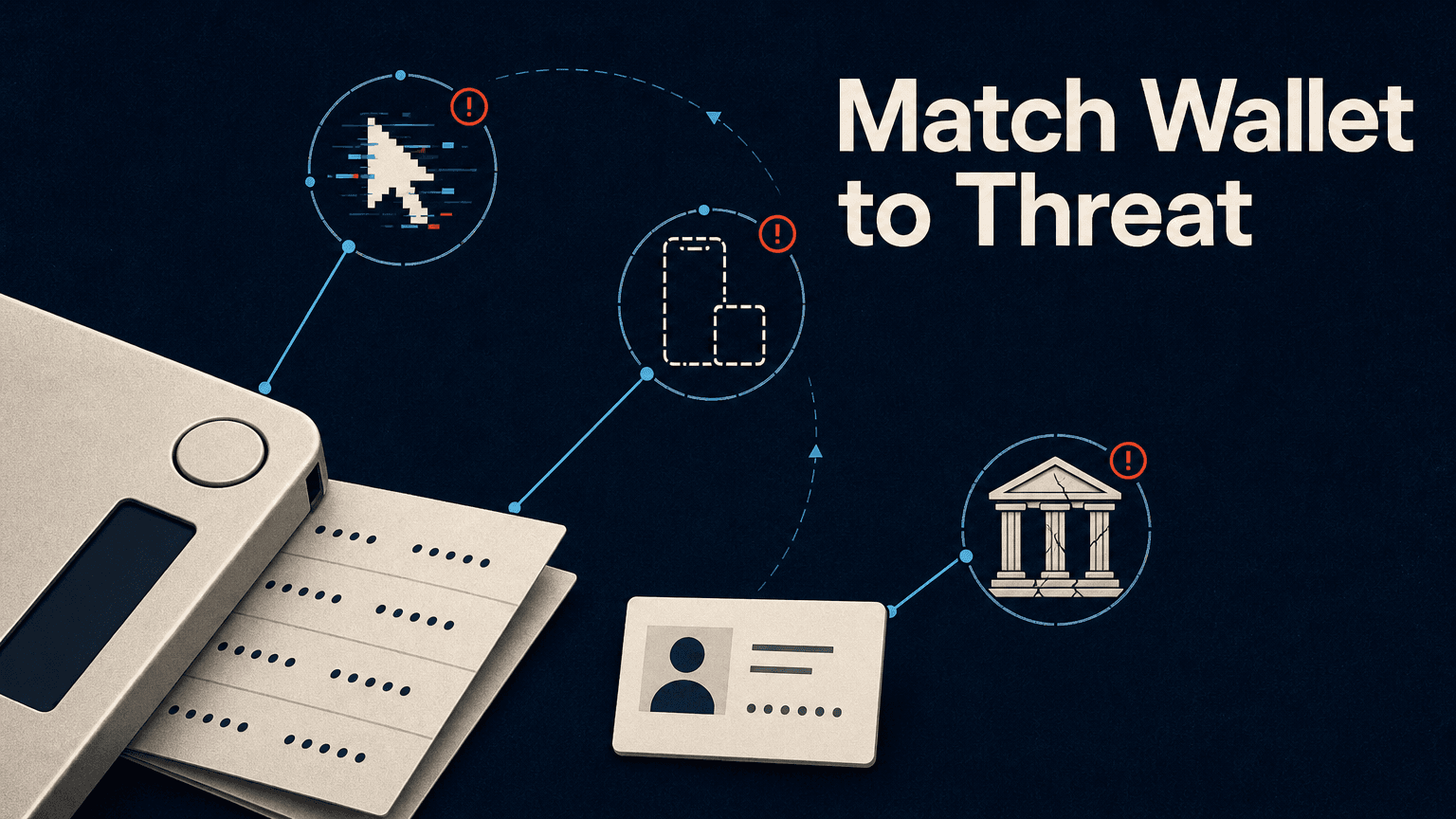
Most people don't face all four risks equally. Someone who rarely moves funds and holds for years is mainly exposed to remote attack and loss, which points toward a hardware wallet with a properly tested backup. Someone actively using DeFi is more exposed to their own approval mistakes and device compromise, which points toward a software wallet paired with careful transaction review rather than blind trust in the wallet's security features alone. Someone trading frequently is exposed to custodial risk in exchange for removing the other three, which is a reasonable trade if the platform's transparency holds up to scrutiny.
The setups that hold up best usually split exposure across categories instead of betting everything on one wallet type solving every risk at once: long-term holdings isolated in hardware, working funds in a software wallet sized to what you'd accept losing, and a trading balance on a platform whose reserves you can actually verify.
Conclusion
The safest crypto wallet isn't a single product, because "safe" isn't a single quality. Hardware wallets reduce remote attack at the cost of doing nothing for loss or your own mistakes. Software wallets trade some of that protection for accessibility, with security capped by the device they run on. Exchange accounts remove key management risk entirely but introduce custodial risk in its place. Rather than searching for one wallet to solve every threat, match the wallet type to the specific risk you're actually exposed to, and split your holdings across types where more than one risk applies.
FAQ
1. What is the safest crypto wallet?
There isn't one. Different wallet types defend against different risks: hardware wallets reduce remote attack, software wallets trade some of that protection for accessibility, and exchange accounts remove key management risk while introducing custodial risk instead.
2. Are hardware wallets safer than software wallets?
For remote attacks, yes, since keys never touch an internet connected device. For loss, theft, or your own mistakes, a hardware wallet offers no particular advantage over a software one.
3. Is it safer to keep crypto on an exchange or in a personal wallet?
They protect against different things. An exchange removes seed phrase and recovery risk but depends on the platform's solvency. A personal wallet removes that dependency but makes you solely responsible for key management.
4. What risk does a hardware wallet not protect against?
Physical loss, theft, or damage to the device, and any mistake you make yourself, such as approving the wrong transaction or sending to the wrong address.
5. Should I use more than one wallet type?
Often, yes. Splitting holdings, long-term funds in hardware, working funds in software, trading balances on a transparent exchange, limits how much any single risk can expose at once.
This content is provided for general informational purposes only and doesn't constitute financial, investment, legal, or tax advice. Any events, rewards, online promotions, or related information mentioned herein should not be considered a recommendation, solicitation, or invitation to purchase, sell, trade, or otherwise deal in any crypto assets. Crypto assets are highly volatile and may result in loss. The availability of WEEX services, products, and related events may vary by region. You are responsible for ensuring that your participation is in accordance with applicable local laws and regulations.
You may also like
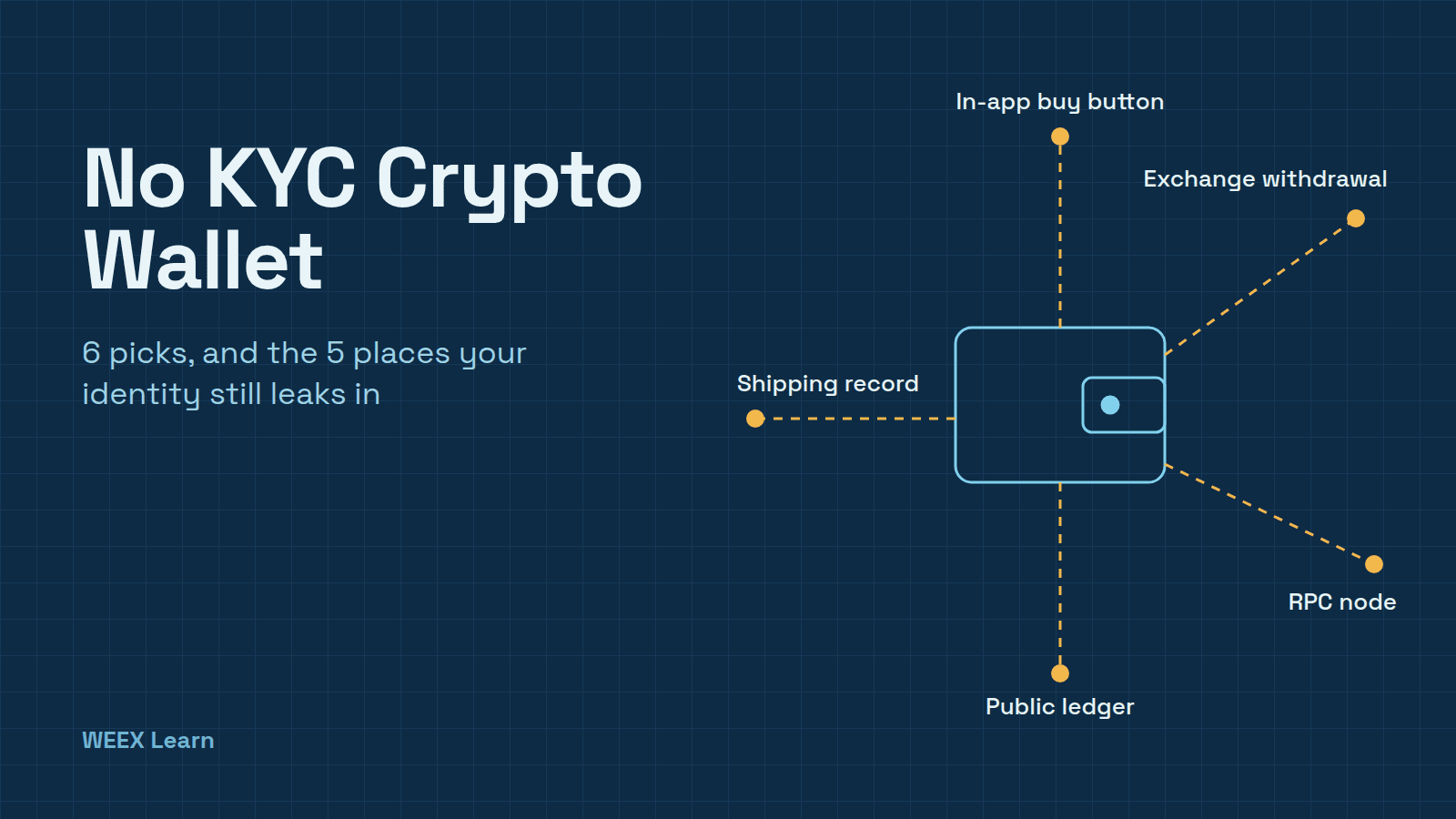
No KYC Crypto Wallet: 6 Picks and 5 Places Your ID Still Leaks
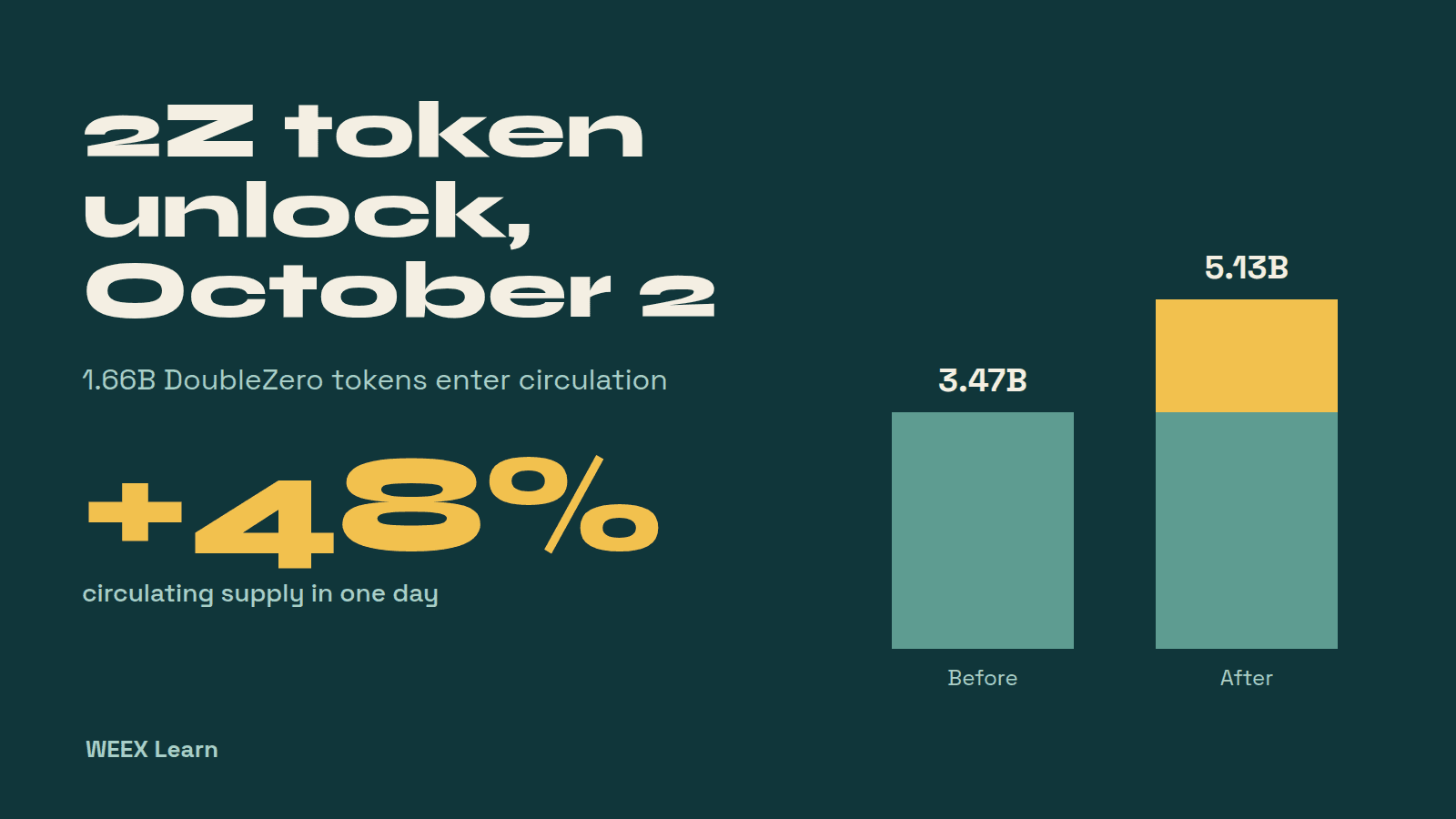
2Z Token Unlock on October 2: What 1.66B DoubleZero Tokens Mean
Best Decentralized Crypto Wallet for Beginners: What Self-Custody Really Asks of You
UNI Futures: How to Set Take-Profit and Stop-Loss After a 2x Run
QNT Futures: Funding Rate and Long vs Short After a 4x Rally
Which Crypto to Buy for Beginners: A Simple 3-Tier Starter Plan
How to Get a Crypto Wallet: Pick, Set Up, and Fund It Safely
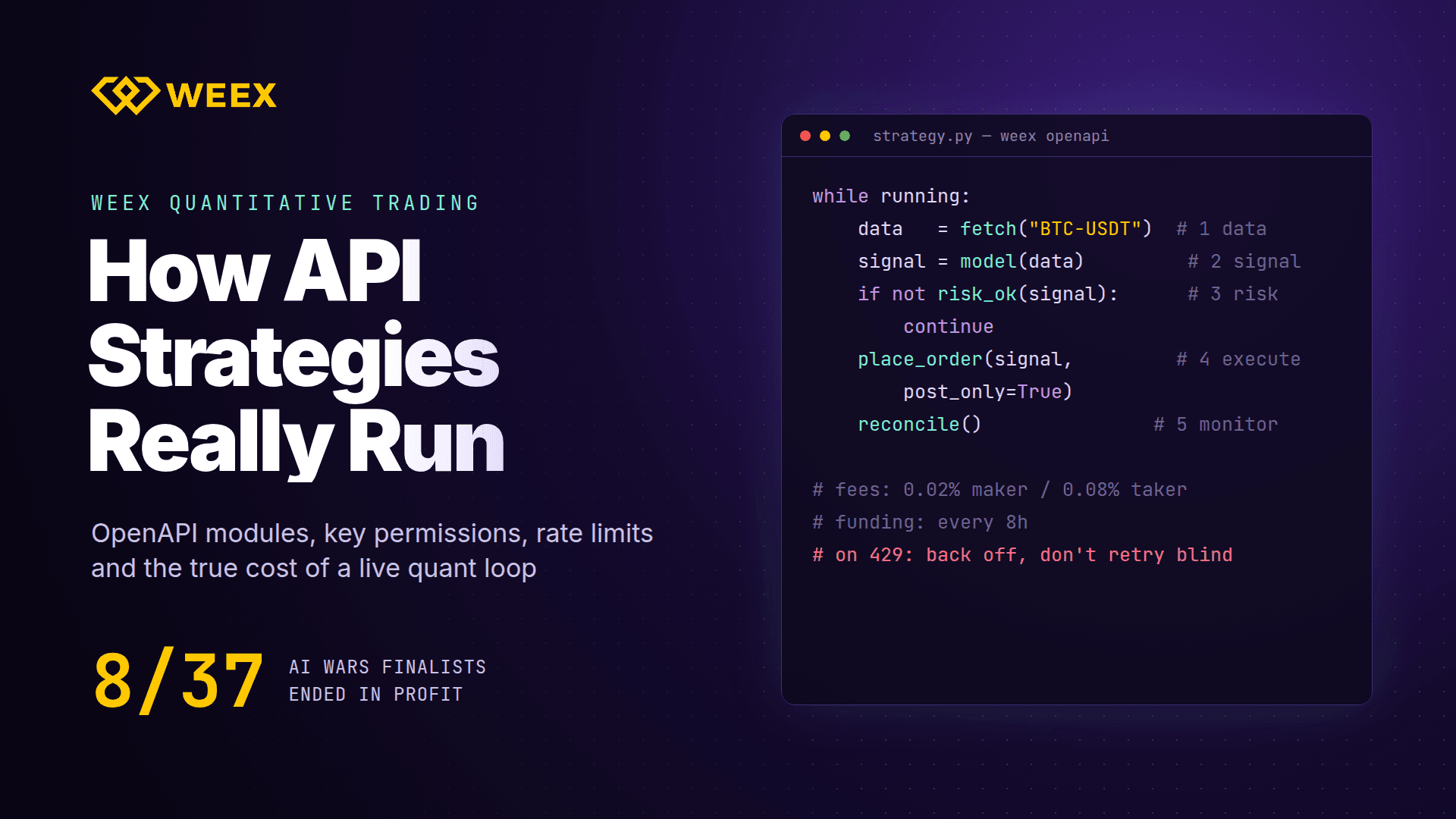
WEEX Quantitative Trading: How API Strategies Run in Practice

WEEX Strategy Trading: 4 Ways to Automate Your Crypto Trades
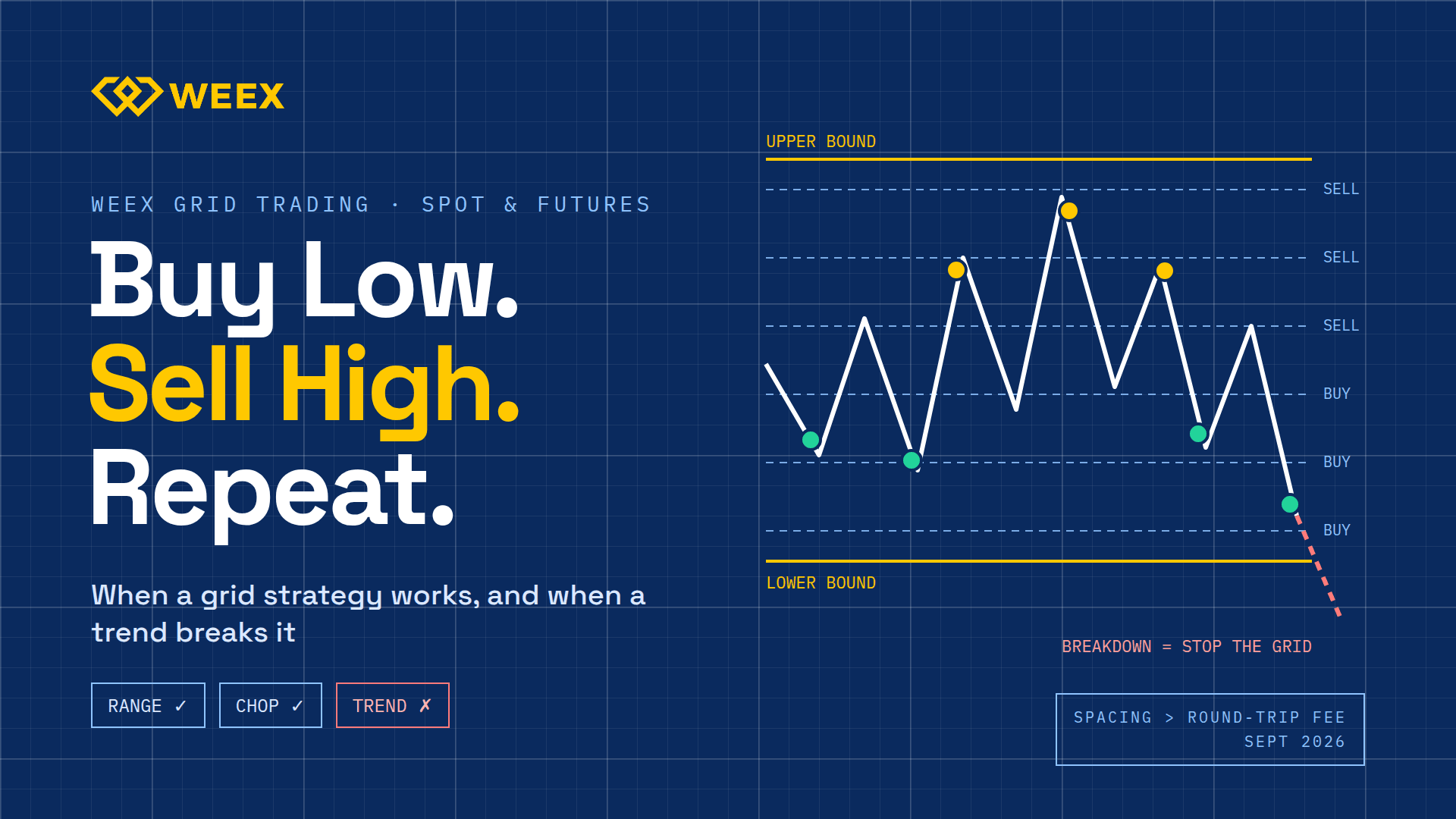
WEEX Grid Trading: When a Grid Strategy Works and When It Fails
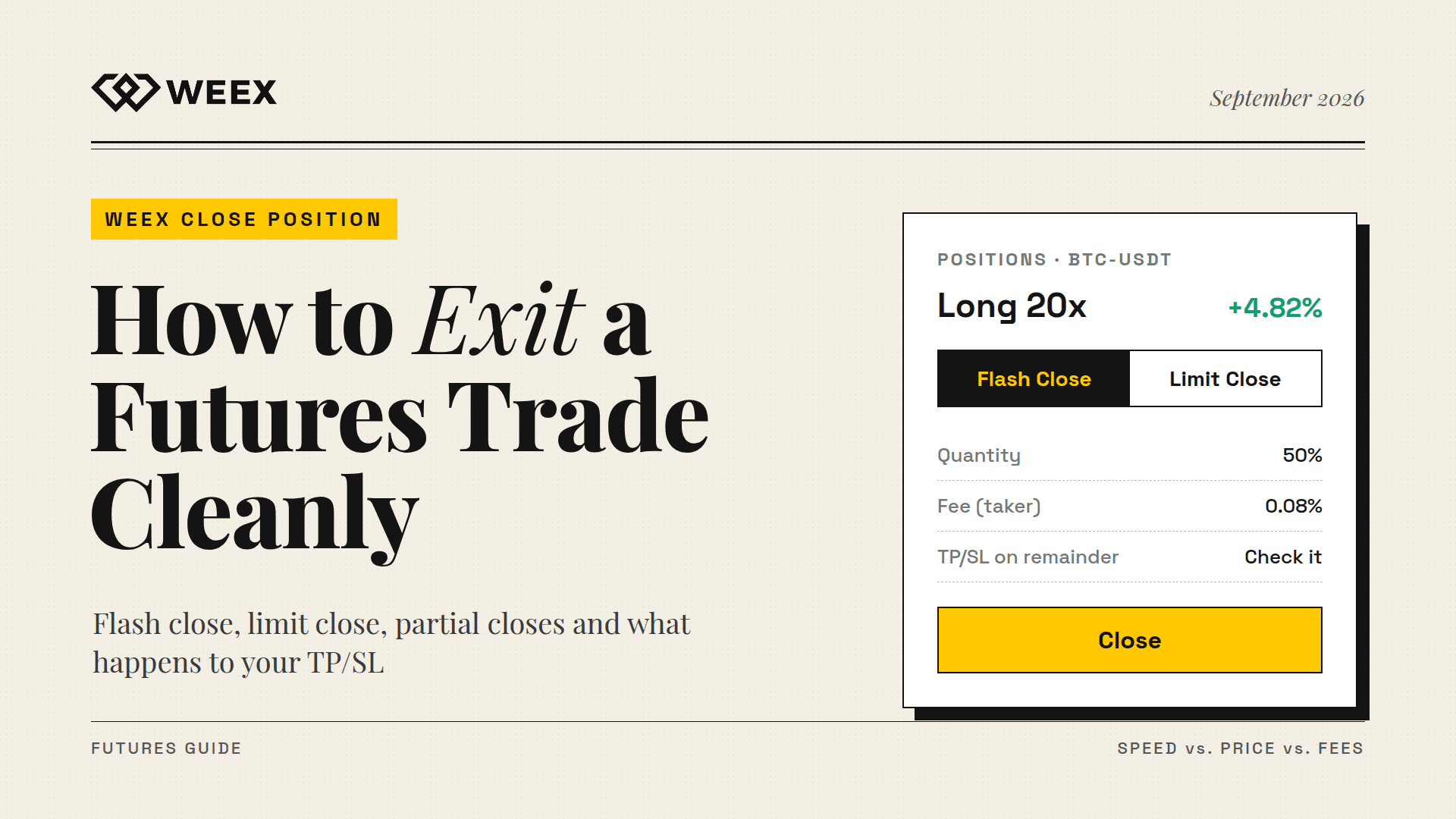
WEEX Close Position Guide: Flash Close, Limit Close and TP/SL
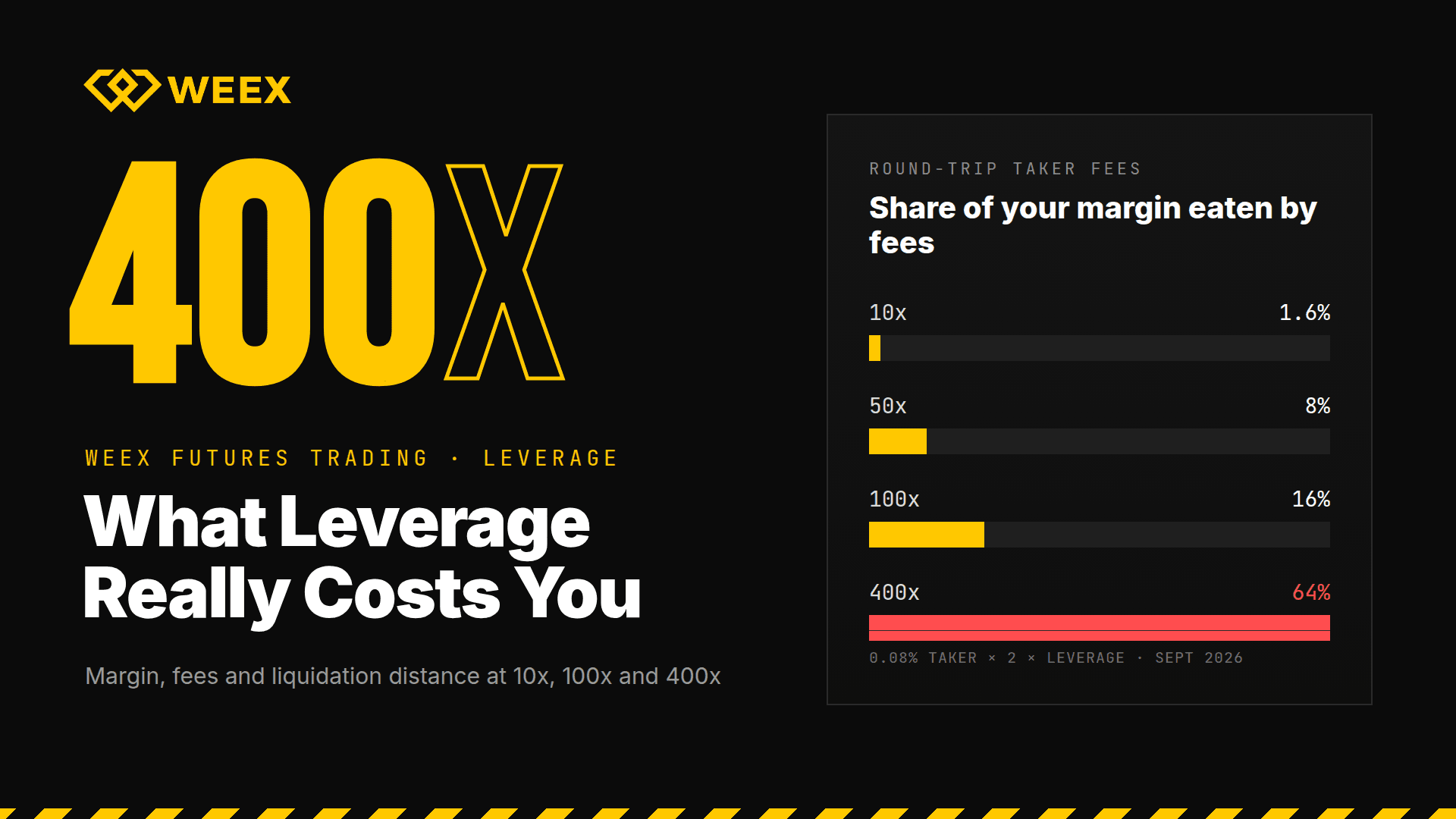
WEEX Futures Trading: What 400x Leverage Really Costs You

Best Crypto Exchange for Beginners 2026: What Actually Matters When Choosing One
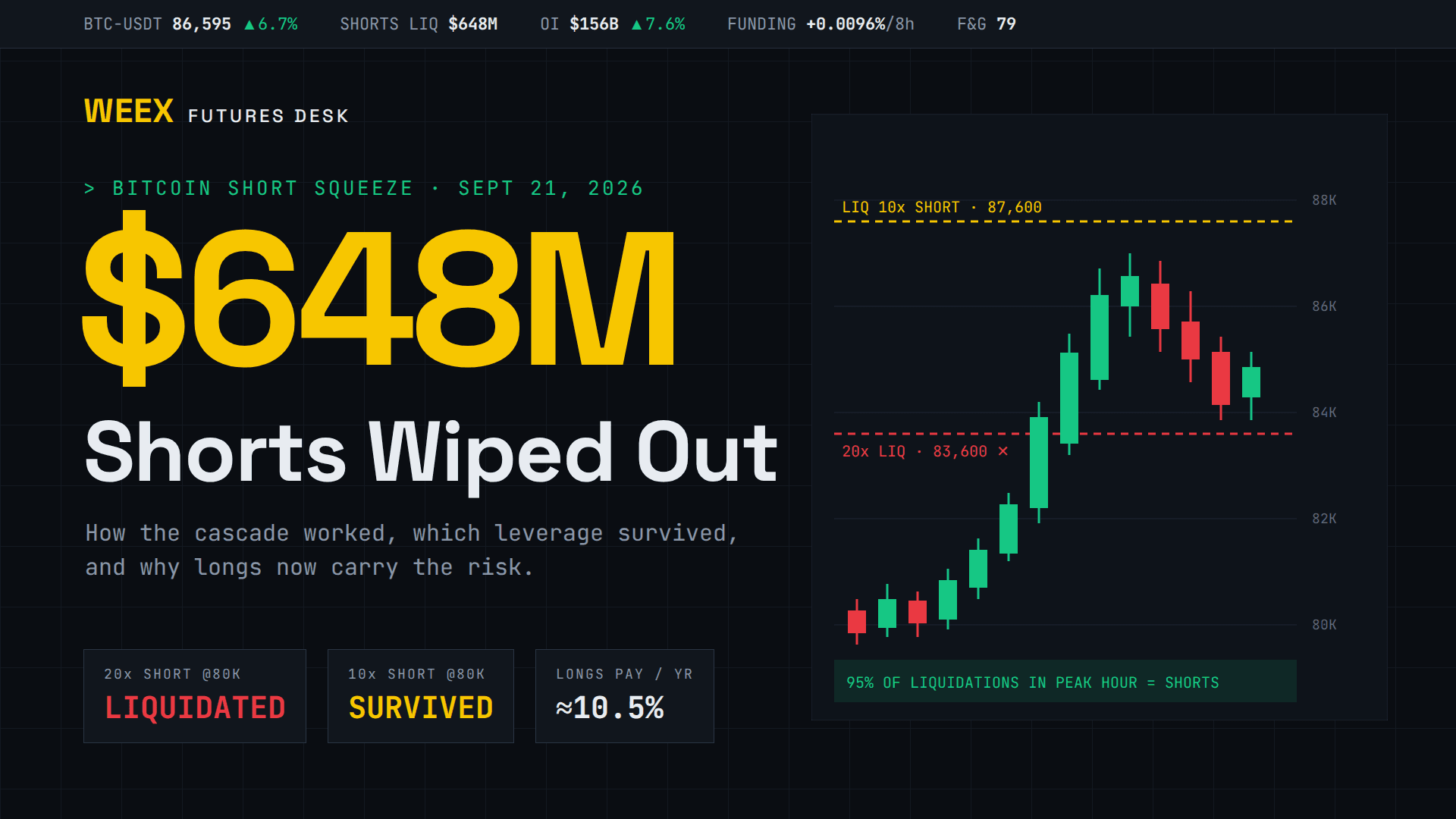
Bitcoin Short Squeeze Explained: Inside the $648M Sept 21 Wipeout
Best Crypto Cold Wallet 2026: Top Picks Matched to How You Hold
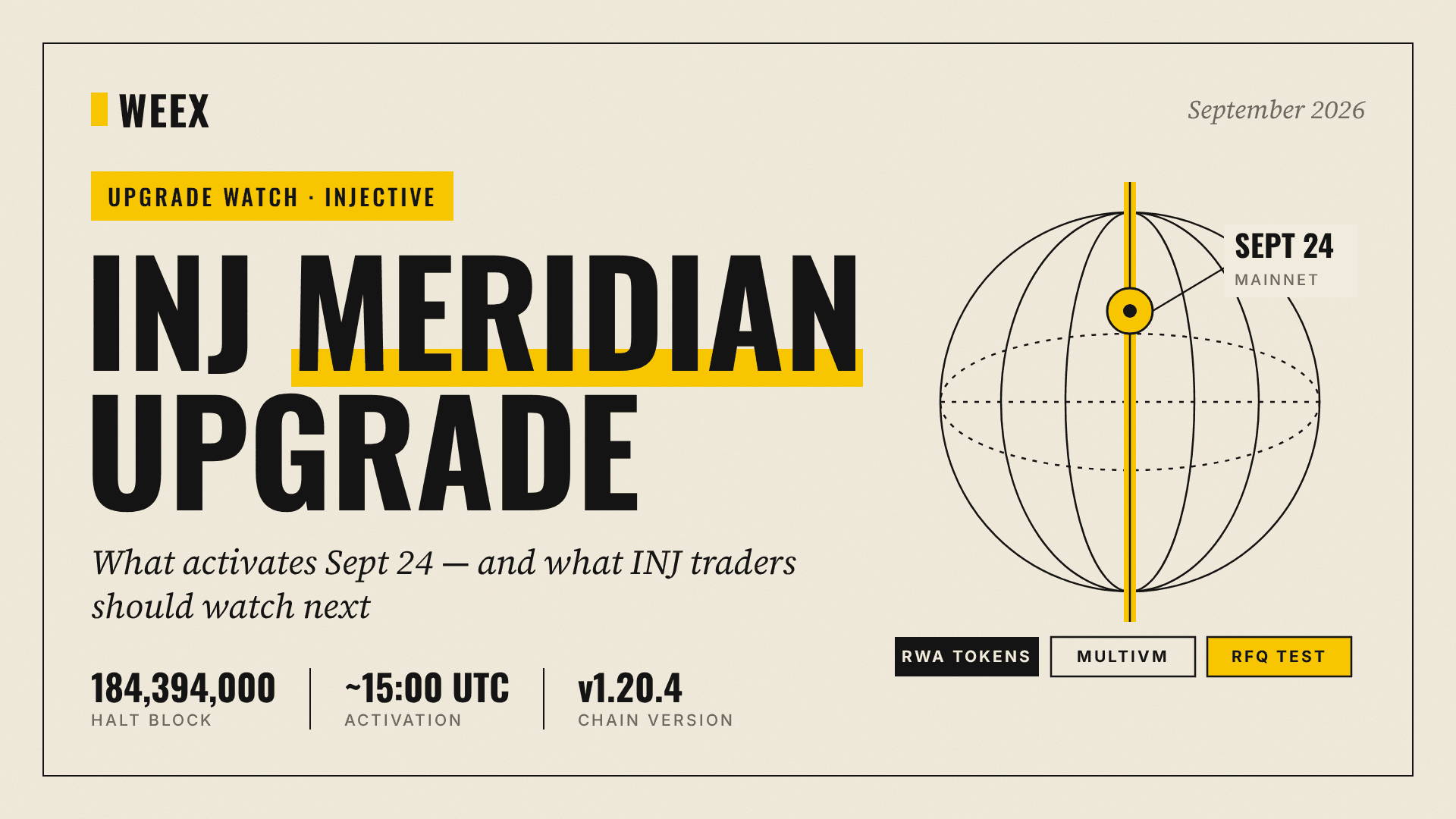
INJ Meridian Upgrade: What Activates Sept 24 and What to Watch
Phantom Wallet vs MetaMask: What's the Difference
How to Connect Phantom Wallet to a Solana DApp
How to Install and Set Up Phantom Wallet

What Is Phantom Wallet? A Complete Guide to the Solana Wallet
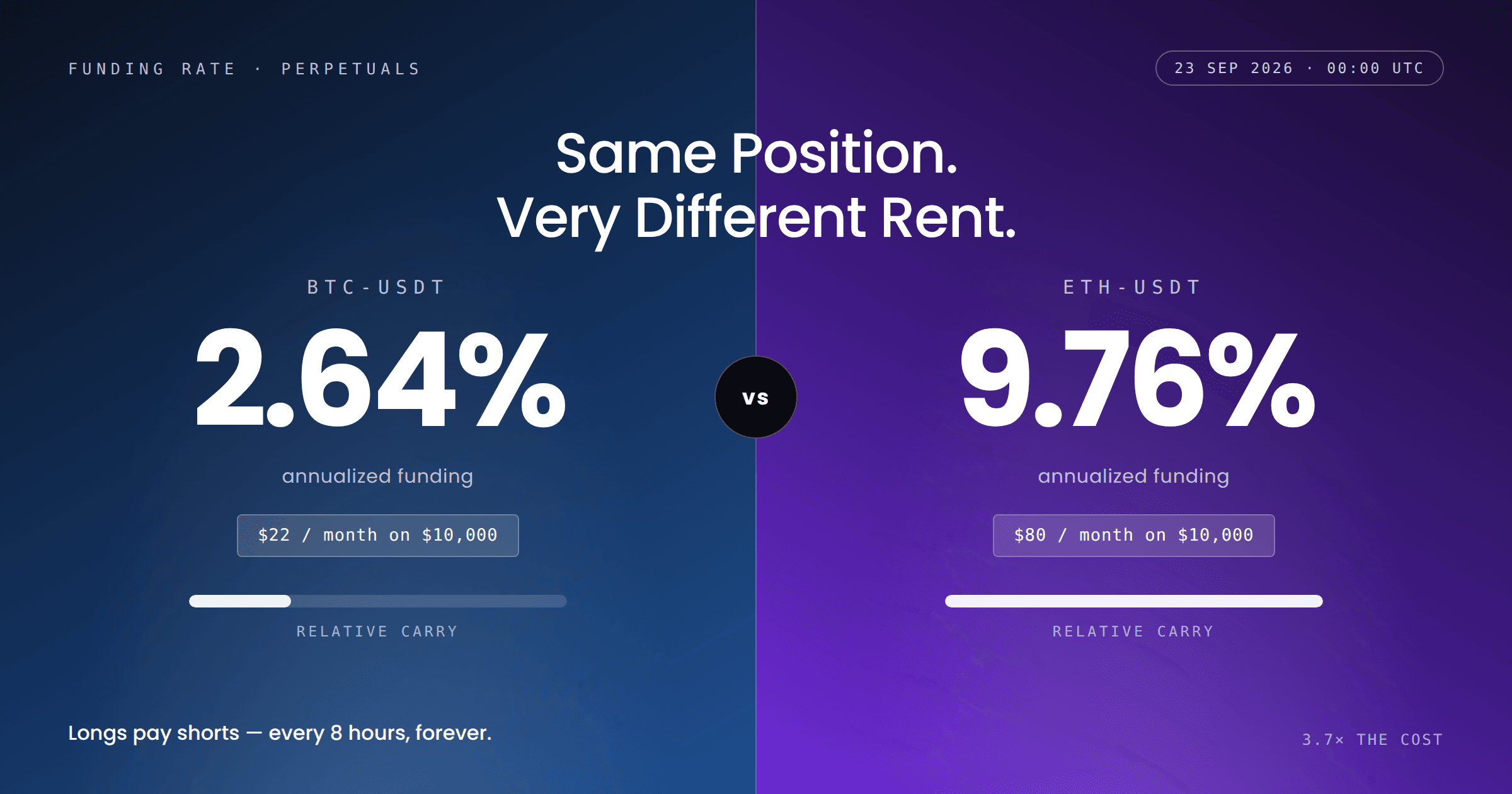
Funding Rate Crypto: What BTC and ETH Are Paying Right Now
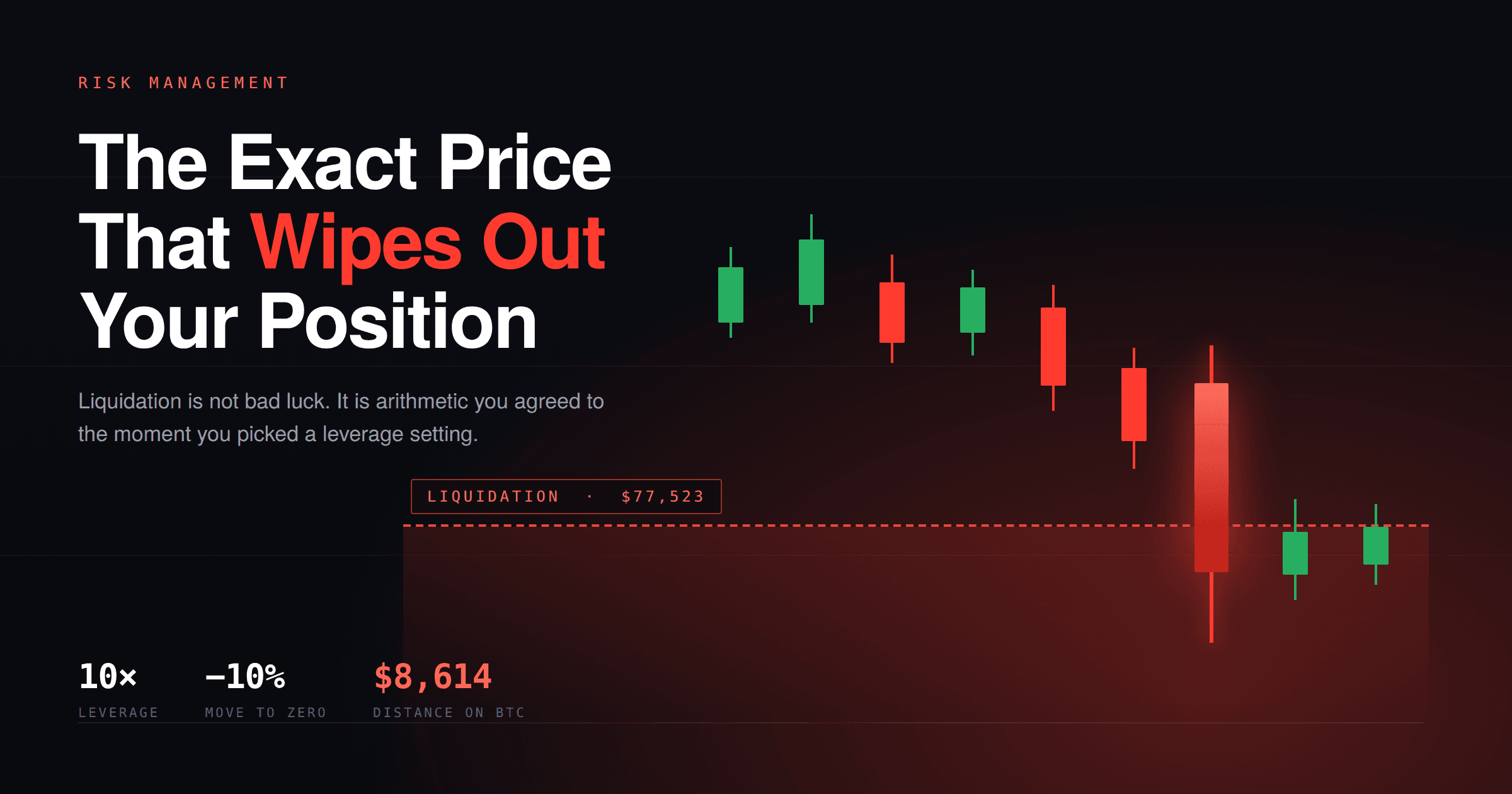
Crypto Liquidation: The Exact Price That Wipes Out Your Position
INTC Stock Surged 14%: Intel Only Has Enough Chips for Half Its Clients
Hyperliquid vs Centralized Exchanges: What's the Difference?
FreeBitco.in Has Shut Down: What Users Should Know

NEAR Futures Take-Profit and Stop-Loss: Managing a Parabolic Move
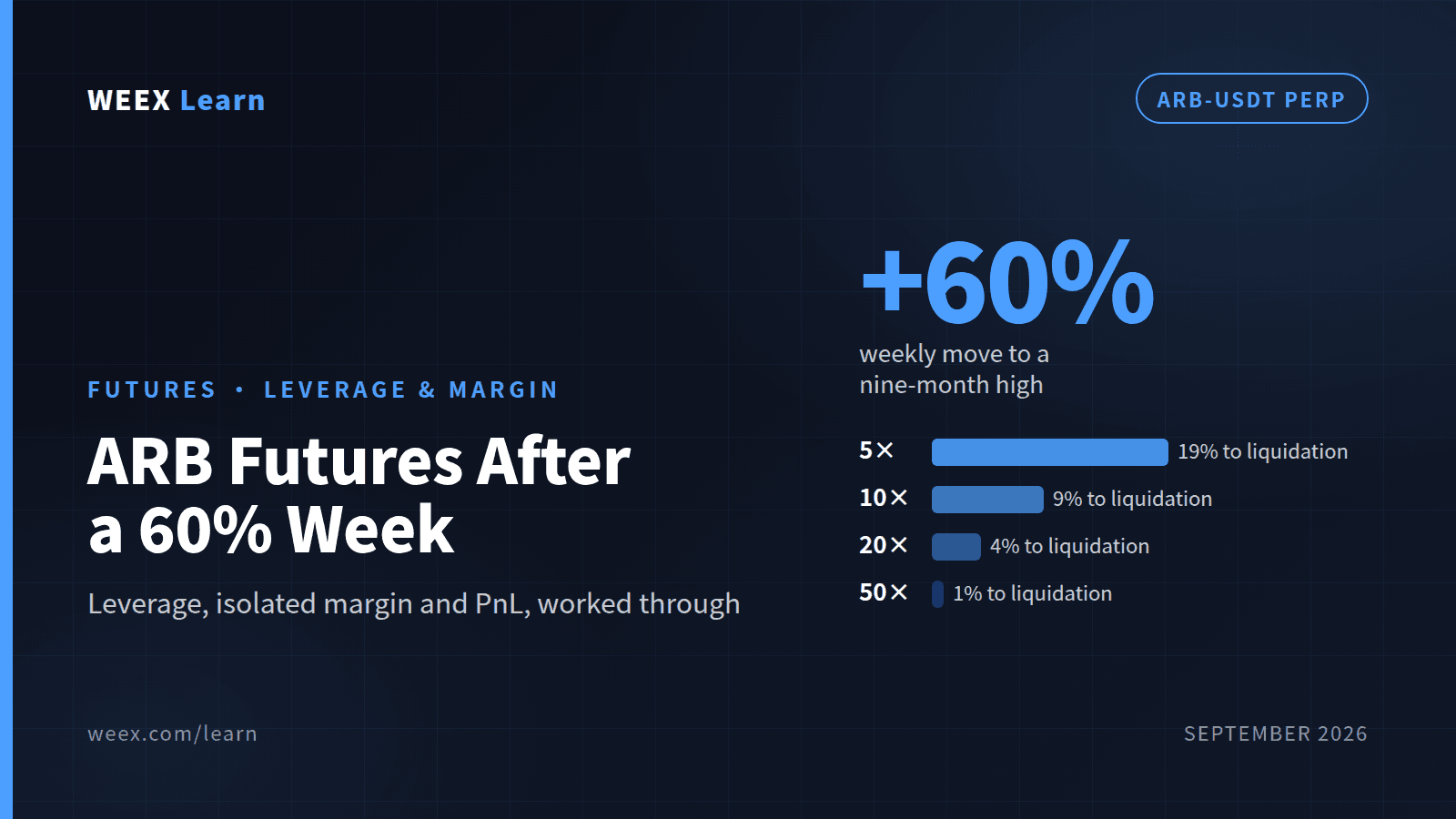
ARB Futures After a 60% Week: Leverage, Isolated Margin and PnL

Bitcoin Funding Rate After a $648M Short Squeeze: What Longs Pay

What Is Blockchain Technology? Follow One Transaction to See
Pi Network vs Other Mobile Mining Projects: What's the Difference
No KYC Crypto Wallet: 6 Picks and 5 Places Your ID Still Leaks
2Z Token Unlock on October 2: What 1.66B DoubleZero Tokens Mean
Best Decentralized Crypto Wallet for Beginners: What Self-Custody Really Asks of You
UNI Futures: How to Set Take-Profit and Stop-Loss After a 2x Run
QNT Futures: Funding Rate and Long vs Short After a 4x Rally
Which Crypto to Buy for Beginners: A Simple 3-Tier Starter Plan





