
Movement Labs Files Chapter 11 Bankruptcy as Co-Founder Claims Top Unsecured Debt

 Prefer us on Google


Key Takeaways
- Movement Labs, the original core development company behind Movement blockchain, filed for Chapter 11 bankruptcy on July 15.
- Court documents show reported assets of $100,001 to $500,000 and liabilities of up to $10 million.
- The company listed as many as 299 creditors in its Delaware bankruptcy filing.
- The largest unsecured claim exceeds $1.6 million and belongs to co-founder Rushikesh “Rushi” Manche.
- The filing follows earlier controversy around selling pressure after the MOVE token launch and a later business restructuring.
Movement Labs Bankruptcy: What Happened
Movement Labs filed for Chapter 11 bankruptcy protection in the U.S. Bankruptcy Court for the District of Delaware on July 15, according to reporting cited by TechFlow and The Block. The filing covers the original core development company behind the Movement blockchain and outlines a company with limited assets, heavier liabilities, and a sizable creditor list.
The reported balance-sheet range is notable. Movement Labs declared assets of $100,001 to $500,000, while liabilities were listed at up to $10 million. The filing also states the company may have as many as 299 creditors. In bankruptcy analysis, that gap between assets and liabilities is the main signal: the company appears to be operating under acute financial stress rather than dealing with a narrow short-term cash issue.
Why the Chapter 11 Filing Matters
A Chapter 11 filing means a company is seeking court-supervised reorganization rather than immediate liquidation. For Movement Labs, this matters because it suggests the business is trying to restructure its obligations while preserving some form of operational continuity. For market participants, the filing is a legal and financial event, not just a headline about a token ecosystem.
In crypto, many users focus on token price action first, but bankruptcy filings often expose the underlying corporate structure behind a chain, protocol, or token issuer. Here, the entity involved is Movement Labs, described as the former core developer of the Movement blockchain. That distinction matters because development companies, foundations, token issuers, and on-chain networks are not always the same legal entity, even when users treat them as one brand.
Who Is the Largest Creditor in the Filing?
The largest unsecured claim in the Movement Labs case comes from co-founder Rushikesh “Rushi” Manche, with a claim exceeding $1.6 million. The filing also indicates that Manche still holds a 34.25% equity stake despite having been removed from the company. That combination makes him both a major claimant and a significant shareholder.
This detail stands out because unsecured claims rank behind secured debt in many bankruptcy processes. A co-founder holding the largest unsecured claim can become an important factor in any restructuring discussion, especially when that same individual retains more than one-third of the company’s equity. The article does not provide further detail on the origin of the claim, so the reported figure should be read strictly as a filed claim amount.
Context: MOVE Token Controversy and Restructuring
Before the bankruptcy filing, Movement Labs had already faced controversy tied to selling pressure after the MOVE token launch. The report says the company later went through business restructuring. That sequence is important because bankruptcy rarely appears in isolation; it often follows earlier governance, funding, or market-trust problems.
The source article does not add more specifics about the post-launch selling dispute, so the safe takeaway is limited: Movement Labs was already under pressure before the Chapter 11 filing. In crypto markets, token launch disputes can damage user confidence, strain internal operations, and complicate relationships with investors, employees, service providers, and other creditors.
What Readers Should Understand About the Filing
Readers should understand three core points: Movement Labs has entered Chapter 11, its liabilities substantially outweigh its disclosed assets, and the filing follows earlier MOVE token-related controversy. These facts matter because they frame the event as a broader corporate restructuring issue rather than a routine administrative update.
Just as important, the article does not claim that the Movement blockchain itself has stopped operating, nor does it provide a ruling from the court. What it gives is a snapshot from the filing date and the reported financial ranges. For anyone tracking Movement, the most relevant facts are the Delaware venue, the July 15 filing date, the asset and liability bands, the creditor count, and Manche’s $1.6 million-plus unsecured claim alongside his 34.25% stake.
FAQ
What did Movement Labs file for?
Movement Labs filed for Chapter 11 bankruptcy protection in Delaware on July 15.
How much debt did Movement Labs report?
The filing lists liabilities of up to $10 million.
How much in assets did Movement Labs report?
Court documents show reported assets between $100,001 and $500,000.
Who has the largest unsecured claim against Movement Labs?
Co-founder Rushikesh “Rushi” Manche holds the largest unsecured claim, exceeding $1.6 million.
What issue preceded the bankruptcy filing?
The company had faced controversy related to selling after the MOVE token launch and later underwent business restructuring.
Disclaimer: This content is provided for general branding and informational purposes only and doesn't constitute financial, investment, legal, or tax advice. Any events, rewards, online events, or related information mentioned herein should not be considered a recommendation, solicitation, or invitation to purchase, sell, trade, or otherwise deal in any crypto assets or to use any services. Crypto assets are highly volatile and may result in loss. WEEX services and online events may not be available in all regions and are subject to applicable laws, regulations, and eligibility requirements. You are responsible for ensuring that your use of WEEX services complies with local laws and for carefully assessing the risks before participating in any crypto-related activities.
You may also like
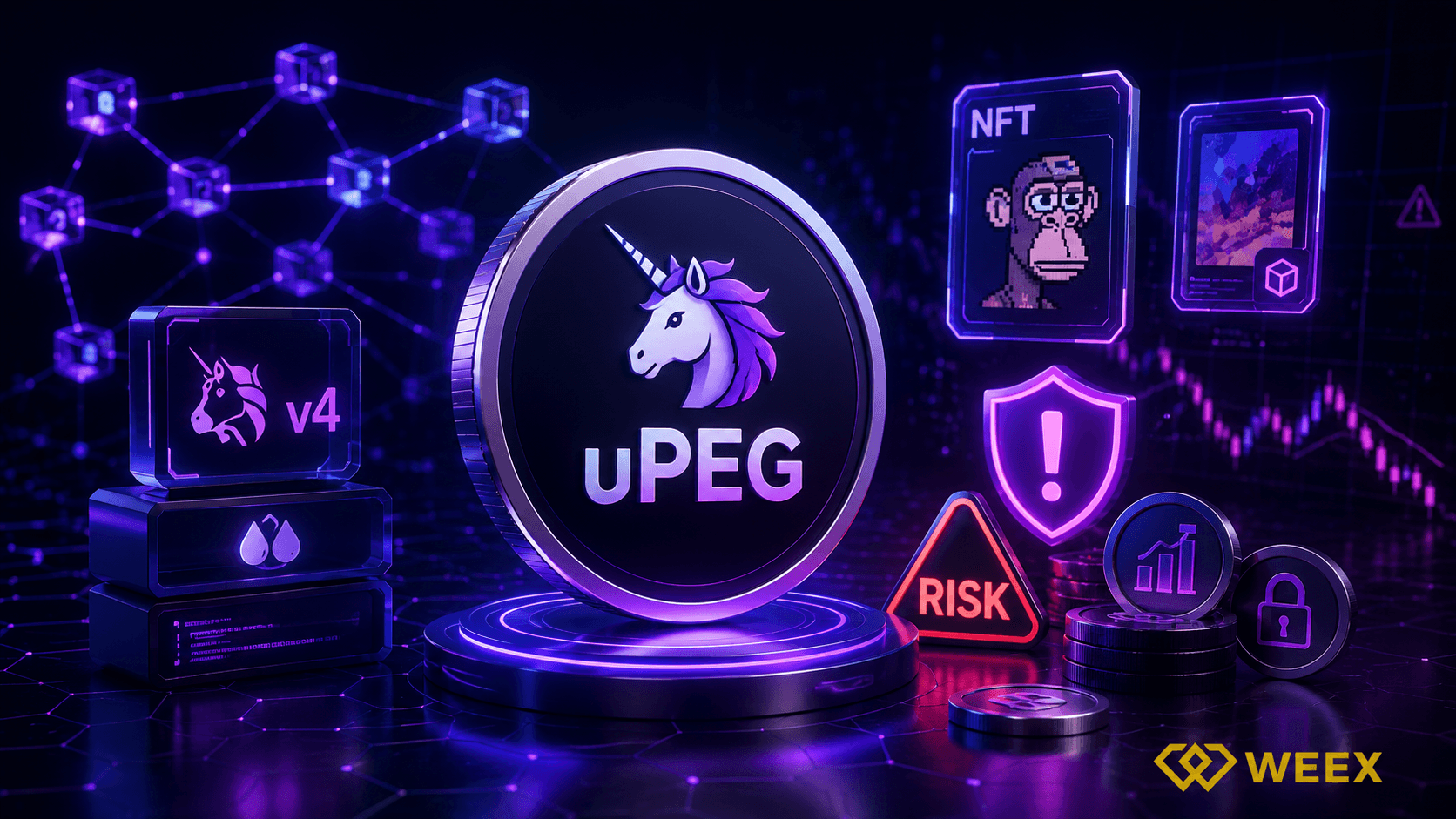
Unipeg uPEG and Uniswap v4: How Next-Generation NFTs Work
Unipeg uPEG is an experimental on-chain asset based on Uniswap v4 hooks. We break down how it works, how it differs from NFTs and ERC-404, what the risks are, and why interest in it is growing in 2026.

Can $ADA Hit $1 in 2030? $ADA Price Prediction

What is XRP (XRP) Coin? How XRP Works, Uses, and What Beginners Should Know
What Are AI Agent Wallets in Crypto? How They Work, Risks, and Use Cases
SUI Price Prediction & Forecast July 2026

How to Choose a Crypto Trading App: What Matters for Security, Fees, and Features
How Pre-IPO Perpetuals Work: Index Pricing, Funding, and Risks

ANTHROPICUSDT Explained: How WEEX's Anthropic Pre-IPO Perpetual Works and Its Risks
What Is OPENAIUSDT? WEEX's Pre-IPO OpenAI Perpetual Explained
Hitachi Stock (6501): Price, Board Talking Points and Outlook

SoftBank Corp (telecom) Stock (9434): Price, Board Talking Points and Outlook

NEC Corp Stock (6701): Price, Board Talking Points and Outlook

SoftBank Group Stock (9984): Price, Board Talking Points and Outlook
Data Section Stock (3905): Price, Board Talking Points and Outlook
Sakura Internet Stock (3778): Price, Board Talking Points and Outlook
FRONTEO Stock (2158): Price, Board Talking Points and Outlook
Fujitsu Stock (6702): Price, Board Talking Points and Outlook
Frutafruta Stock (2586): Price, Board Talking Points and Outlook
Unitika Stock (3103): Price, Board Talking Points and Outlook

Healios Stock (4593): Price, Board Talking Points and Outlook
Daiichi Sankyo Stock (4568): Price, Board Talking Points and Outlook
Sanrio Stock (8136): Price, Board Talking Points and Outlook
Nippon Steel Stock (5401): Price, Board Talking Points and Outlook

Okamoto Glass Stock (7746): Price, Board Talking Points and Outlook
Toyo Engineering Stock (6330): Price, Board Talking Points and Outlook
Mitsui O.S.K. Lines Stock (9104): Price, Board Talking Points and Outlook
Ryohin Keikaku (MUJI) Stock (7453): Price, Board Talking Points and Outlook
Cuorips Stock (4894): Price, Board Talking Points and Outlook
Oriental Land Stock (4661): Price, Board Talking Points and Outlook
Kawasaki Kisen (K Line) Stock (9107): Price, Board Talking Points and Outlook
Unipeg uPEG and Uniswap v4: How Next-Generation NFTs Work
Unipeg uPEG is an experimental on-chain asset based on Uniswap v4 hooks. We break down how it works, how it differs from NFTs and ERC-404, what the risks are, and why interest in it is growing in 2026.
Can $ADA Hit $1 in 2030? $ADA Price Prediction
What is XRP (XRP) Coin? How XRP Works, Uses, and What Beginners Should Know
What Are AI Agent Wallets in Crypto? How They Work, Risks, and Use Cases
SUI Price Prediction & Forecast July 2026
How to Choose a Crypto Trading App: What Matters for Security, Fees, and Features