
Hong Kong Monetary Authority: Three new regulatory measures for investment accounts of mainland investors, with account opening verification retroactive to January 2023

 Prefer us on Google

According to a report by the Financial Associated Press, in response to the issue of "some banks in the Hong Kong region requiring a declaration to open investment accounts," the Hong Kong Monetary Authority (HKMA) responded today that the relevant regulatory requirements were issued to all recognized institutions on May 22.
Materials provided by the HKMA indicate that registered institutions must take three additional measures when opening and managing investment accounts for mainland investors, including:
Closing investment accounts opened using suspicious or forged documents, identifying customer investment accounts that have used suspicious or forged documents since January 2023 or during any other period specified by the HKMA; relevant documents include identification documents.
Closing investment accounts with zero balance that have been inactive, specifically referring to investment accounts held by mainland investors that have had no asset balance as of May 22, 2026 (reference date), and have had no activity initiated by the customer in the 12 months prior to the reference date.
When opening new investment accounts, obtaining a written declaration from the mainland investor confirming that all funds used to support investment activities and related settlements come from legal sources outside mainland China.
Relevant documents show that the newly added additional regulatory measures apply only to investment accounts, including investment accounts within comprehensive bank accounts; non-investment functions (such as regular savings, time deposits, payments, loans, and credit cards) are not within the scope of these measures. Additionally, the applicable subjects of these additional measures are individual customers and do not apply to corporate or institutional clients.
-- Price
This content is provided for general informational purposes only and doesn't constitute financial, investment, legal, or tax advice. Any events, rewards, online promotions, or related information mentioned herein should not be considered a recommendation, solicitation, or invitation to purchase, sell, trade, or otherwise deal in any crypto assets. Crypto assets are highly volatile and may result in loss. The availability of WEEX services, products, and related events may vary by region. You are responsible for ensuring that your participation is in accordance with applicable local laws and regulations.
You may also like

25 States Sue Against U.S. Government Tariff Measures
Former Celsius CEO Permanently Banned by U.S. CFTC from Engaging in Commodity Trading Activities

The CFTC sues the state of Rhode Island to maintain exclusive jurisdiction over prediction markets
Argentina's anti-gambling bill for the first time includes cryptocurrency exchanges under regulation, with violations punishable by 2 to 4 years in prison

SEC Commissioner Peirce calls for attention to privacy-enhancing technologies and advocates for limiting government financial surveillance of ordinary citizens

DeFi has reached its most dangerous moment: the real vulnerabilities are not in the code
The Hong Kong Financial Services and the Treasury Bureau and the Securities and Futures Commission released a summary of the consultation on the regulatory framework for virtual assets
The richest chairman of the Federal Reserve in 112 years has arrived: Kevin Warsh is rewriting the rules

Vitalik talks about the future of the Ethereum Foundation: a smaller, more distinctive, yet more enduring ship

Cryptocurrencies Seek to Integrate into Finance
Introducing the Best Meme Coins on the Ripple Network: A Review of 5 Popular XRPL Tokens

Bitcoin's next Fed test comes with a hidden problem in America's inflation data
The crypto market loses altitude, patience becomes a habit – Steady Lads

Stablecoin Payments in Europe: How Do CASP, PI, and EMI Fit Together?
Why 22 Trillion-Dollar Giants Refuse to be 'Tokenized'?

Rayls Bridges Traditional Finance and Decentralized Finance
Is 24/7 Trading a Necessity? Analyzing the Real Trading Rhythm of RWA Perpetual Contracts
Cyberattack on GMO in Japan: Trading Accounts Compromised, GMO Coin Claims to be Unaffected
Elon Musk's Grand Scheme to Undermine New Cloud Providers

Google Earnings on Oct 28: Will the Fed Decision Move GOOGL Stock?
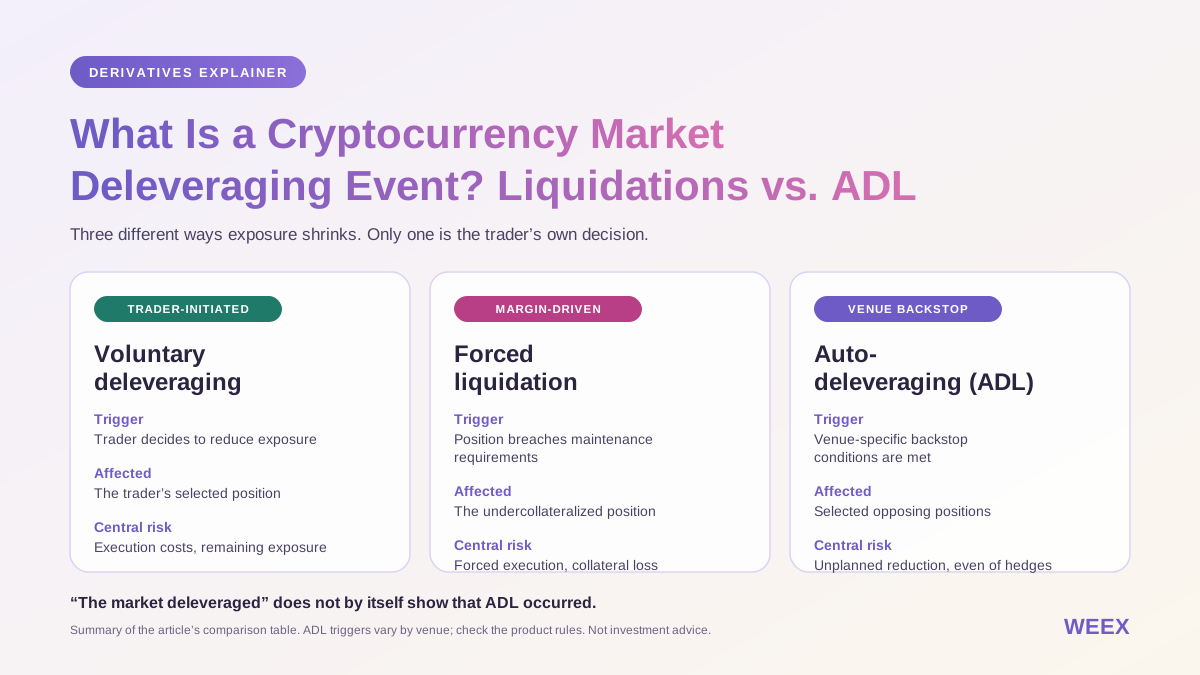
What Is a Cryptocurrency Market Deleveraging Event? Liquidations vs. ADL
Understand a cryptocurrency market deleveraging event: liquidation vs. ADL, misleading open-interest declines, hedge risks, and checks before trading.
The Week Ahead: 4 Key Moments for the Crypto Market

Do Prediction Markets Actually Bring Utility? – Tiger Research
Who Holds Tokenized Stocks? A Large Number of Retail Investors with Highly Concentrated Assets
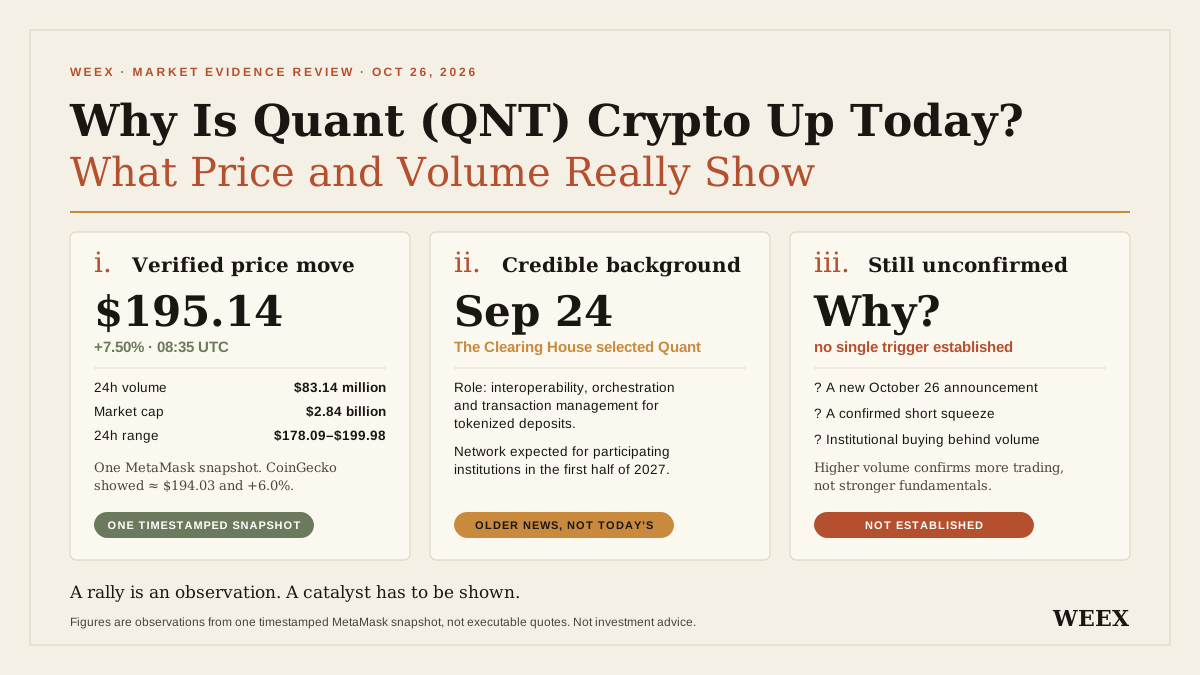
Why Is Quant (QNT) Crypto Up Today? What Price and Volume Really Show
Why is Quant (QNT) up today? Review price and volume evidence, the banking partnership timeline, token-demand assumptions, and risks before trading.
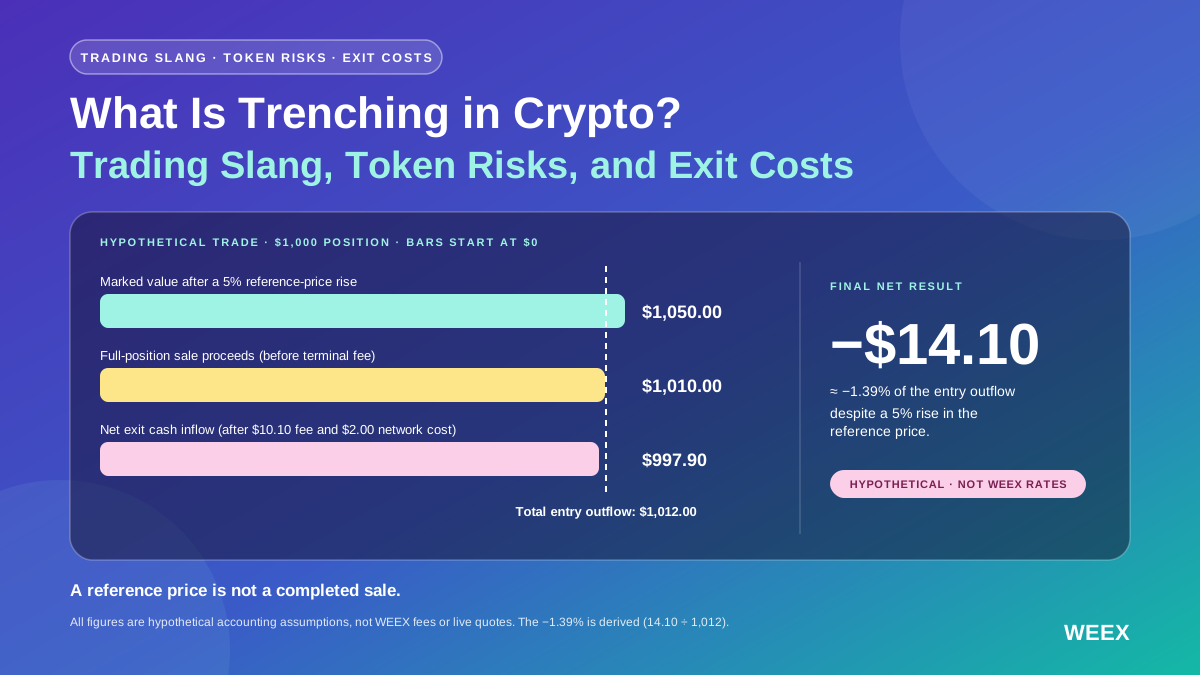
What Is Trenching in Crypto? Trading Slang, Token Risks, and Exit Costs
What is trenching in crypto? Learn the slang, token checks, liquidity risks, and how a rising token can still produce a loss after trading costs.

Flash Loans Secure Two Governance Seats: What Does the X100 Theft Teach the Industry?
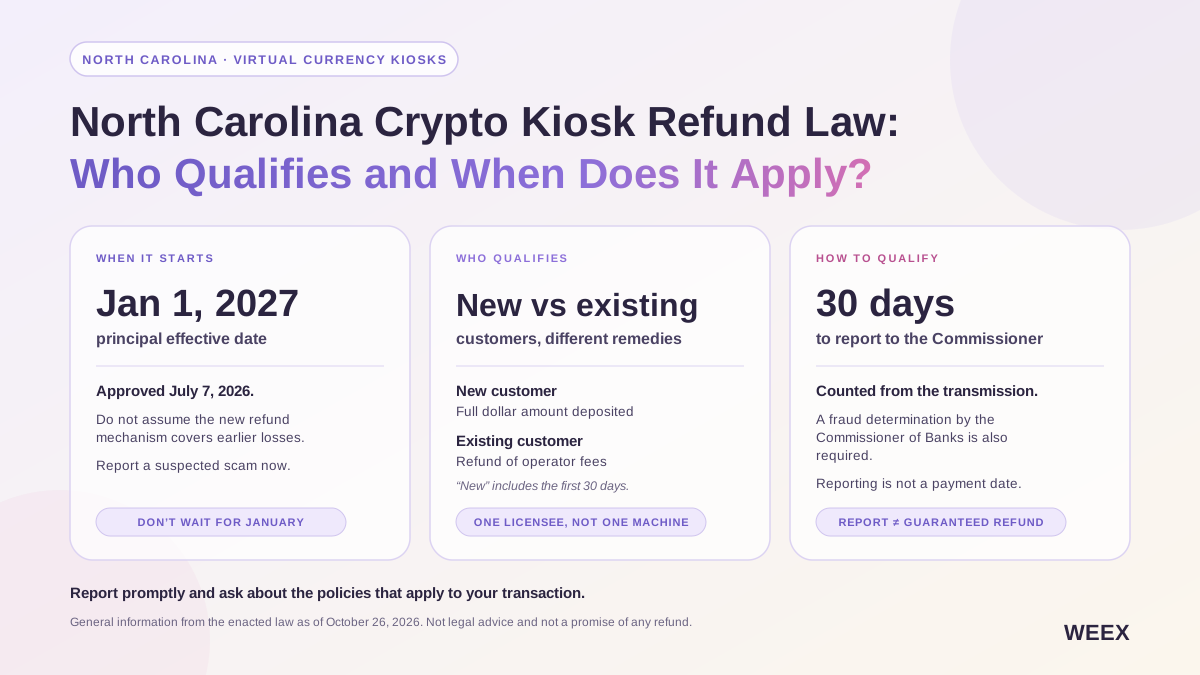
North Carolina Crypto Kiosk Refund Law: Who Qualifies and When Does It Apply?
Understand North Carolina’s crypto kiosk refund law: the January 2027 start date, who qualifies, reporting deadlines, and documents victims should keep.
AI Reduces Vulnerability Discovery Costs, Crypto Industry Divided in Response
Ethereum: Glamsterdam postponed after risks detected on 13 contracts
25 States Sue Against U.S. Government Tariff Measures
Former Celsius CEO Permanently Banned by U.S. CFTC from Engaging in Commodity Trading Activities
The CFTC sues the state of Rhode Island to maintain exclusive jurisdiction over prediction markets
Argentina's anti-gambling bill for the first time includes cryptocurrency exchanges under regulation, with violations punishable by 2 to 4 years in prison
SEC Commissioner Peirce calls for attention to privacy-enhancing technologies and advocates for limiting government financial surveillance of ordinary citizens
DeFi has reached its most dangerous moment: the real vulnerabilities are not in the code
Contents
Latest articles


Latest coin listings on WEEX


