
Cerebras Launches Fourth-Generation AI Inference System CS-4, Doubling Performance and Power Consumption

 Prefer us on Google

Cerebras has launched its fourth-generation AI inference system, the CS-4, which is based on a 5nm WSE-3 wafer. It achieves double the performance by doubling the clock frequency and power consumption. A single CS-4 cabinet houses three wafers and features a modular design with a TDP of approximately 125 to 135 kW. The CS-4 offers an inference speed of nearly 4000 tokens per second per user, about twice that of the CS-3, and supports decomposed inference with heterogeneous systems such as AMD and AWS Trainium. Cerebras claims that the CS-4 provides approximately 2000 times the on-chip memory bandwidth of NVIDIA's Rubin (43 PB/s), although the 44 GB SRAM capacity remains unchanged, necessitating multi-wafer stacking for long-context inference. For example, with DeepSeek V4 Pro (1.6T parameters), around 20 systems are needed for a 1M context window, and about 40 systems for 256 concurrent users, corresponding to a CAPEX exceeding $20 million. Cerebras is collaborating with clients like OpenAI, aiming for an annual performance improvement of about 2 times, with a target of achieving a 20-fold throughput increase by 2027. The cabinet design of the CS-4 will carry over to the next-generation Nexus platform.
-- Price
This content is provided for general informational purposes only and doesn't constitute financial, investment, legal, or tax advice. Any events, rewards, online promotions, or related information mentioned herein should not be considered a recommendation, solicitation, or invitation to purchase, sell, trade, or otherwise deal in any crypto assets. Crypto assets are highly volatile and may result in loss. The availability of WEEX services, products, and related events may vary by region. You are responsible for ensuring that your participation is in accordance with applicable local laws and regulations.
You may also like

Oracle Integrates Swift Blockchain Ledger to Support Tokenized Deposit Cross-Institution Payments

Oracle Expands Digital Assets Data Nexus Platform to Support Bank Digital Currency Payments
FinTax Completes $40 Million Seed Round Financing Led by YZi Labs

Runable Completes $21 Million Series A Funding Led by Nexus Venture Partners

Mesh by Automattic Launches on Android Platform

Morgan Stanley Leads $15 Billion AI Data Center Financing for Nexus Data Centers
UPBIT launches trading for Metaplex (MPLX) and Nexus (NEX)

Data: Ethereum treasury company FG Nexus has again reduced its holdings by 10,000 ETH, approximately 18.16 million USD
Data: ETH treasury company FG Nexus deposited 5,000 ETH into Galaxy Digital, worth 10.99 million USD

a16z crypto: Most tokenized assets are merely digitized, and true on-chain composability has yet to be unlocked

Bitcoin's next Fed test comes with a hidden problem in America's inflation data
The crypto market loses altitude, patience becomes a habit – Steady Lads

Stablecoin Payments in Europe: How Do CASP, PI, and EMI Fit Together?
Why 22 Trillion-Dollar Giants Refuse to be 'Tokenized'?

Rayls Bridges Traditional Finance and Decentralized Finance
Is 24/7 Trading a Necessity? Analyzing the Real Trading Rhythm of RWA Perpetual Contracts

Cyberattack on GMO in Japan: Trading Accounts Compromised, GMO Coin Claims to be Unaffected
Elon Musk's Grand Scheme to Undermine New Cloud Providers

Google Earnings on Oct 28: Will the Fed Decision Move GOOGL Stock?
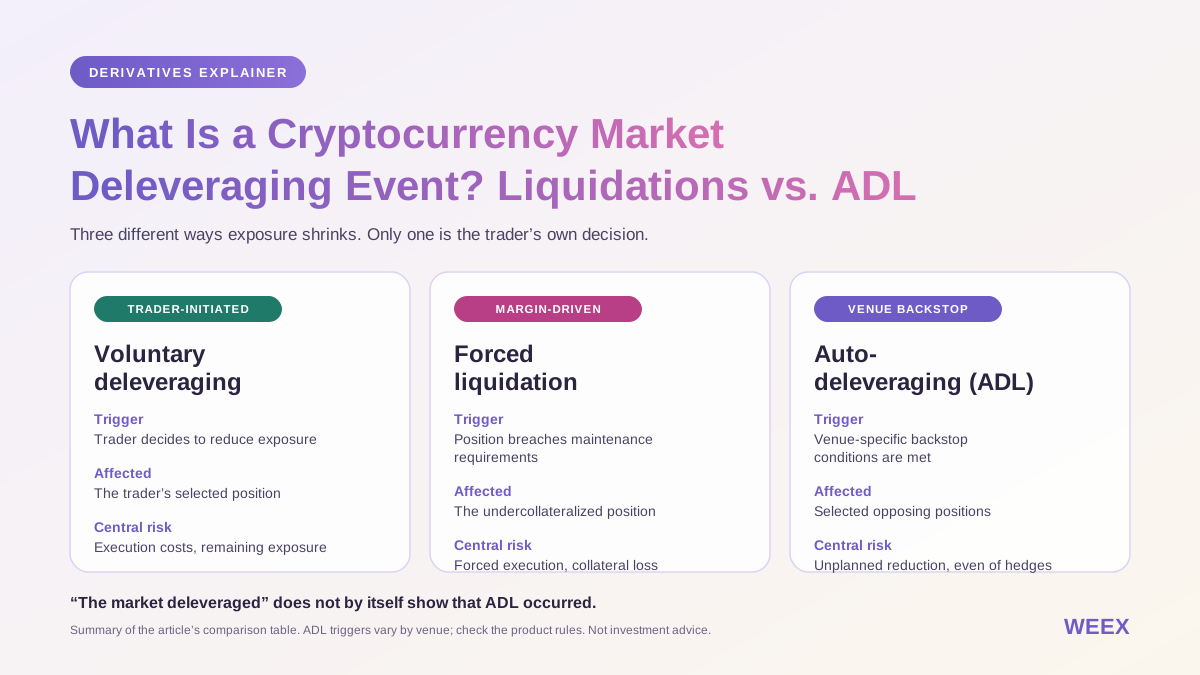
What Is a Cryptocurrency Market Deleveraging Event? Liquidations vs. ADL
Understand a cryptocurrency market deleveraging event: liquidation vs. ADL, misleading open-interest declines, hedge risks, and checks before trading.
The Week Ahead: 4 Key Moments for the Crypto Market
Do Prediction Markets Actually Bring Utility? – Tiger Research

Who Holds Tokenized Stocks? A Large Number of Retail Investors with Highly Concentrated Assets
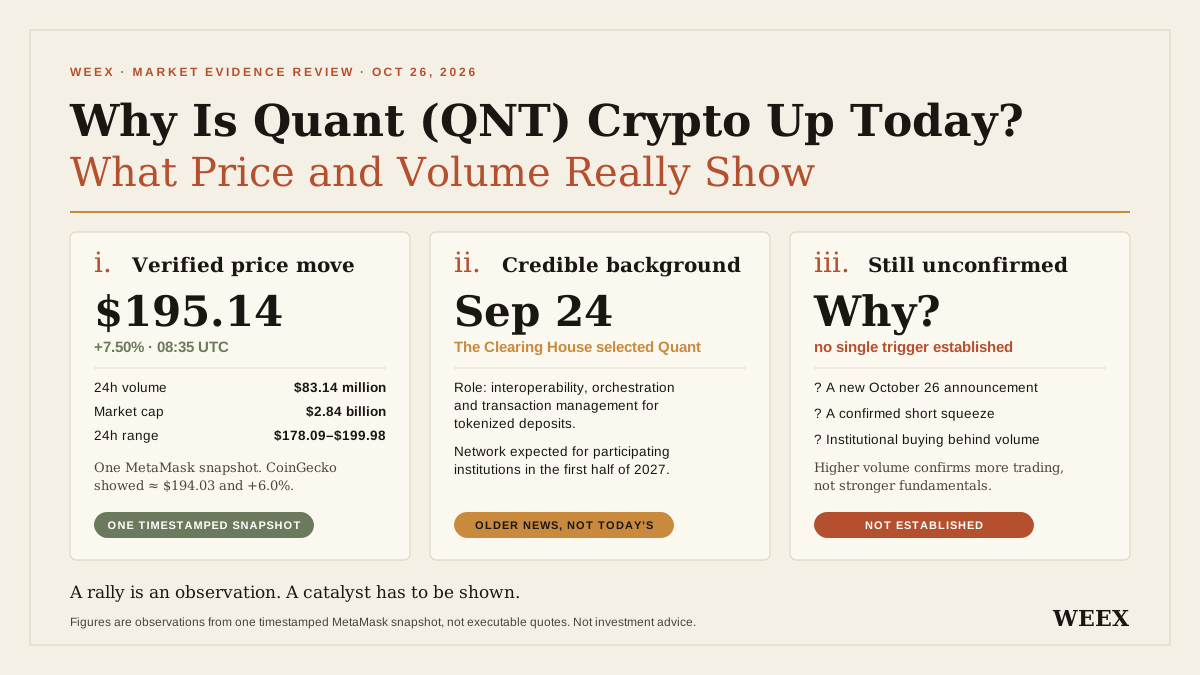
Why Is Quant (QNT) Crypto Up Today? What Price and Volume Really Show
Why is Quant (QNT) up today? Review price and volume evidence, the banking partnership timeline, token-demand assumptions, and risks before trading.
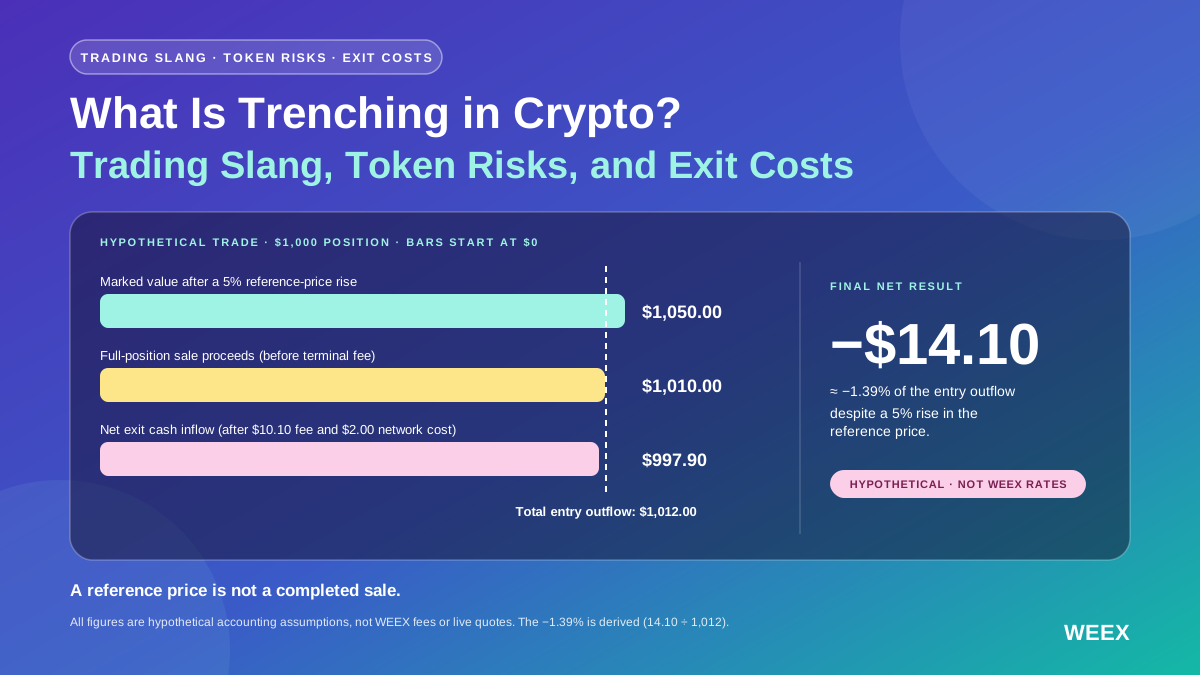
What Is Trenching in Crypto? Trading Slang, Token Risks, and Exit Costs
What is trenching in crypto? Learn the slang, token checks, liquidity risks, and how a rising token can still produce a loss after trading costs.

Flash Loans Secure Two Governance Seats: What Does the X100 Theft Teach the Industry?
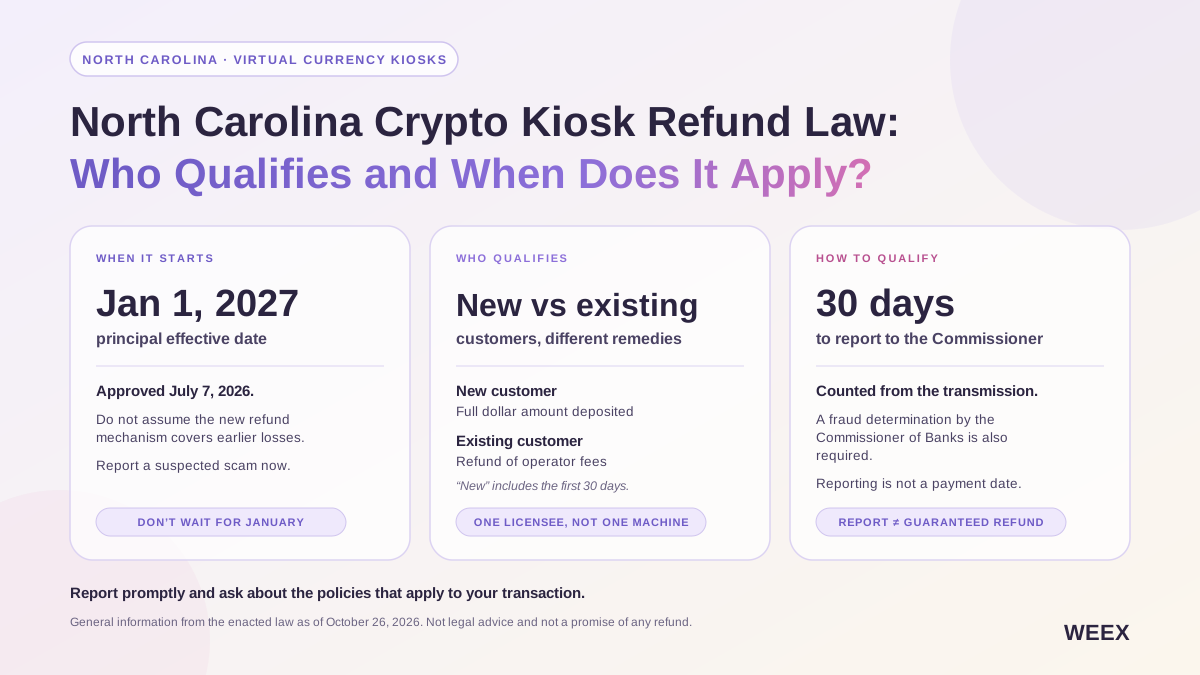
North Carolina Crypto Kiosk Refund Law: Who Qualifies and When Does It Apply?
Understand North Carolina’s crypto kiosk refund law: the January 2027 start date, who qualifies, reporting deadlines, and documents victims should keep.

AI Reduces Vulnerability Discovery Costs, Crypto Industry Divided in Response
Ethereum: Glamsterdam postponed after risks detected on 13 contracts

Who is Making Money from Digital Dollars? Profit Sharing Among Stablecoin Issuers, Distributors, and Payment Providers
Oracle Integrates Swift Blockchain Ledger to Support Tokenized Deposit Cross-Institution Payments
Oracle Expands Digital Assets Data Nexus Platform to Support Bank Digital Currency Payments
FinTax Completes $40 Million Seed Round Financing Led by YZi Labs
Runable Completes $21 Million Series A Funding Led by Nexus Venture Partners
Mesh by Automattic Launches on Android Platform
Morgan Stanley Leads $15 Billion AI Data Center Financing for Nexus Data Centers


