
Why Satoshis are Essential in Bitcoin’s Economy?

 Prefer us on Google

Imagine a world where there was only one currency in one denomination: 5-dollar bills. That wouldn’t be a problem if you’re buying something worth $50—you could simply use ten 5-dollar bills. But what if you want to buy something that costs less than $5? For example, an apple, which on average costs around $1.3—you’d end up overpaying by $3.7 just for a simple snack.
This is why currencies need to be divisible—and that’s exactly what satoshis do for Bitcoin.
What is a Satoshi?
Much like cents to the dollar, satoshis make Bitcoin divisible. A satoshi is the smallest unit of Bitcoin—there are 100 million satoshis in one BTC (or precisely 0.00000001 BTC).
Named after Bitcoin’s creator, Satoshi Nakamoto, satoshis (often shortened to “sats”) enable microtransactions with Bitcoin. At current prices, a single Bitcoin is worth tens of thousands of dollars—making it impractical for small, everyday purchases. Satoshis allow you to buy a cup of coffee, an apple, or any other low-cost item without needing to spend thousands.
What is a Satoshi Worth?
You can calculate the value of one satoshi in US dollars using this simple formula: (Current Bitcoin Price) ÷ 100,000,000
For instance, if 1 BTC is trading at $29,901.39, then one satoshi would be worth approximately $0.000299.
Can You Buy a Fraction of a Bitcoin?
Yes—thanks to satoshis, you don’t need to buy a whole Bitcoin to get started. You can begin investing with just a few dollars, making Bitcoin accessible to everyone regardless of budget.
This approach also offers a low-risk way to learn how Bitcoin trading works before committing larger amounts. And when you decide to sell, the same principle applies—you can sell a portion of your Bitcoin. Just remember to account for a small amount of extra satoshis to cover transaction fees.
-- Price
Can You Send Satoshis to Others?
Absolutely. You can send any amount of Bitcoin, down to the satoshi level, to another person’s wallet. While traditional on-chain transactions work fine, many users prefer the Lightning Network —a layer-2 solution built on Bitcoin—for faster and cheaper microtransactions.
What is a Satoshi in Bitcoin?
To recap, a satoshi is the atomic unit of Bitcoin, representing 0.00000001 BTC. It’s the foundation that makes Bitcoin divisible, practical, and inclusive for everyday use.
Get Started with Bitcoin Today
If you’ve been curious about Bitcoin but unsure where to begin, remember that you don’t need a lot of money to start. With just a few dollars, you can buy your first satoshis and join the global Bitcoin economy. Explore trusted exchanges and peer-to-peer platforms to find a method that works best for you—and take your first step into the world of Bitcoin! Ready to begin? Visit WEEX today and easily buy your first Bitcoin with confidence!
Further Reading
- Bitcoin Volatility: What Causes BTC Price Swings?
- Who Owns the Most Bitcoin in 2025?
- How to Trade Bitcoin Futures on WEEX?
- What Is Bitcoin and How Does It Work?
Disclaimer: The opinions expressed in this article are for informational purposes only. This article does not constitute an endorsement of any of the products and services discussed or investment, financial, or trading advice. Qualified professionals should be consulted prior to making financial decisions.
This content is provided for general informational purposes only and doesn't constitute financial, investment, legal, or tax advice. Any events, rewards, online promotions, or related information mentioned herein should not be considered a recommendation, solicitation, or invitation to purchase, sell, trade, or otherwise deal in any crypto assets. Crypto assets are highly volatile and may result in loss. The availability of WEEX services, products, and related events may vary by region. You are responsible for ensuring that your participation is in accordance with applicable local laws and regulations.
You may also like
Exchange Convert vs DEX Swap: What’s the Difference? Try Convert Crypto On WEEX!
Is XTruth Oil (XTO) a Stock or Crypto? How Its Oil Rewards Actually Work
What Is Pearl (PRL) Crypto and How Does Its Mining Work?
Stake ETH or Hold USDT on WEEX? The Price Move That Decides It
How Transparent Is a Crypto Exchange? Checking Proof of Reserves and Protection Funds
What Is Leverage Trading in Crypto? A Beginner’s Guide With Simple Examples
Is RSI a Good Indicator? How the Relative Strength Index Works, Its Limits and How Traders Use It
CRWV Stock Swings From -9.5% to +5.9%: Why CoreWeave Reversed
Walrus (WAL) Jumps 30%: Sui Storage Token Rallies on AI Data
CoreWeave Stock Plunges 15%: Why a Bond Yield Spooked CRWV
Best Crypto Miner for Beginners: What to Check on Cost, Power, Hashprice and Profit Before You Buy
MU Stock Falls Below $1,000: Is the CXMT Threat Real or Just an Excuse to Take Profits?
Stop Limit Order: How It Works and Why It Can Fail to Fill

Best Crypto Podcasts for Beginners: A 4-Week Listening Plan
Conflux (CFX) Price Jumps on China's National Blockchain Network Plan: Does the Policy Actually Name CFX?

What Is Plume (PLUME)? Why the RWA Token Stays 93% Below Its High Even After the Layer 2 Rally

Who Is David Ellison? Skydance’s Strategy, Media Consolidation, and the Investment Case
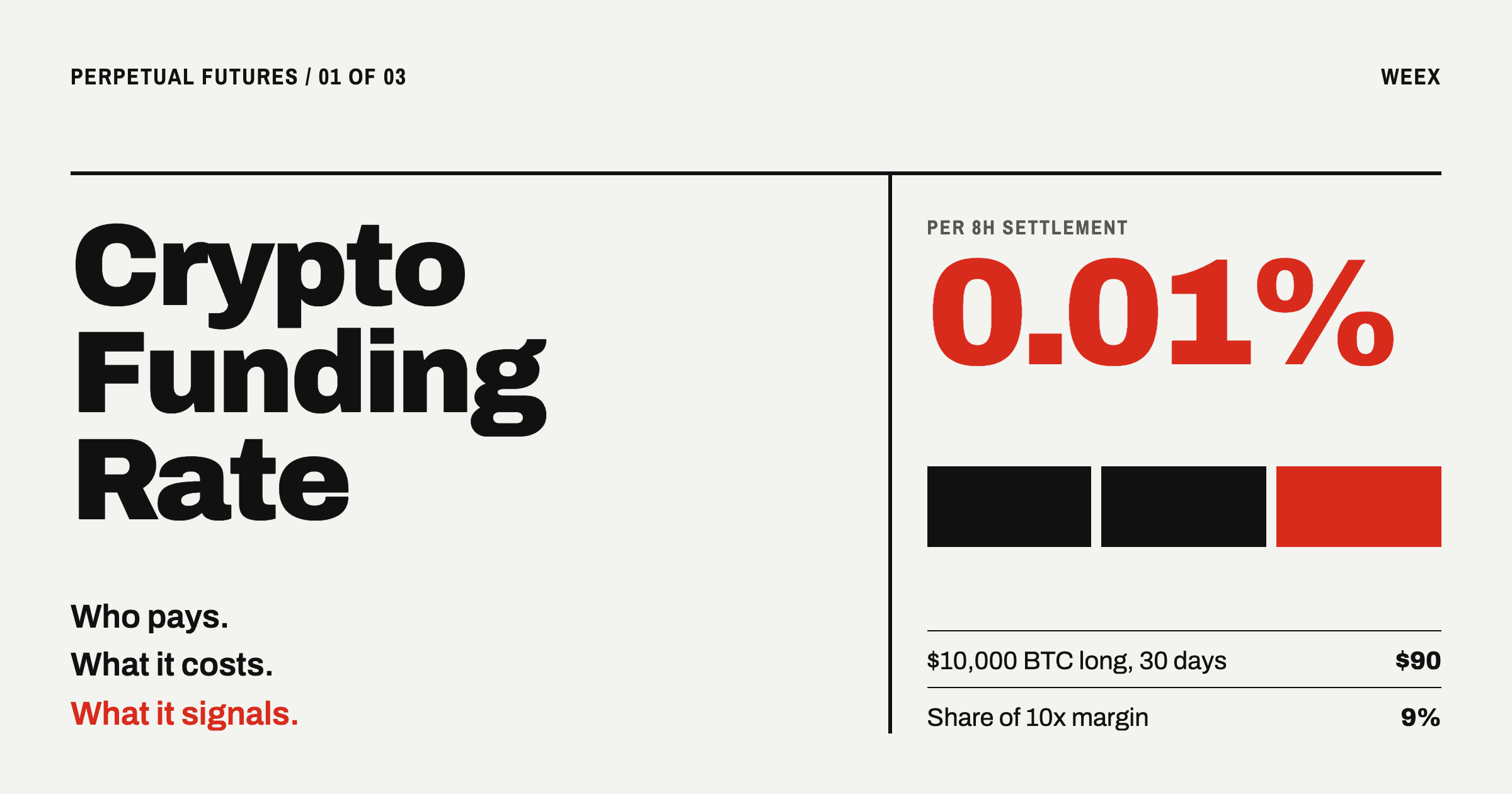
Crypto Funding Rate: Who Pays, What It Costs, What It Signals
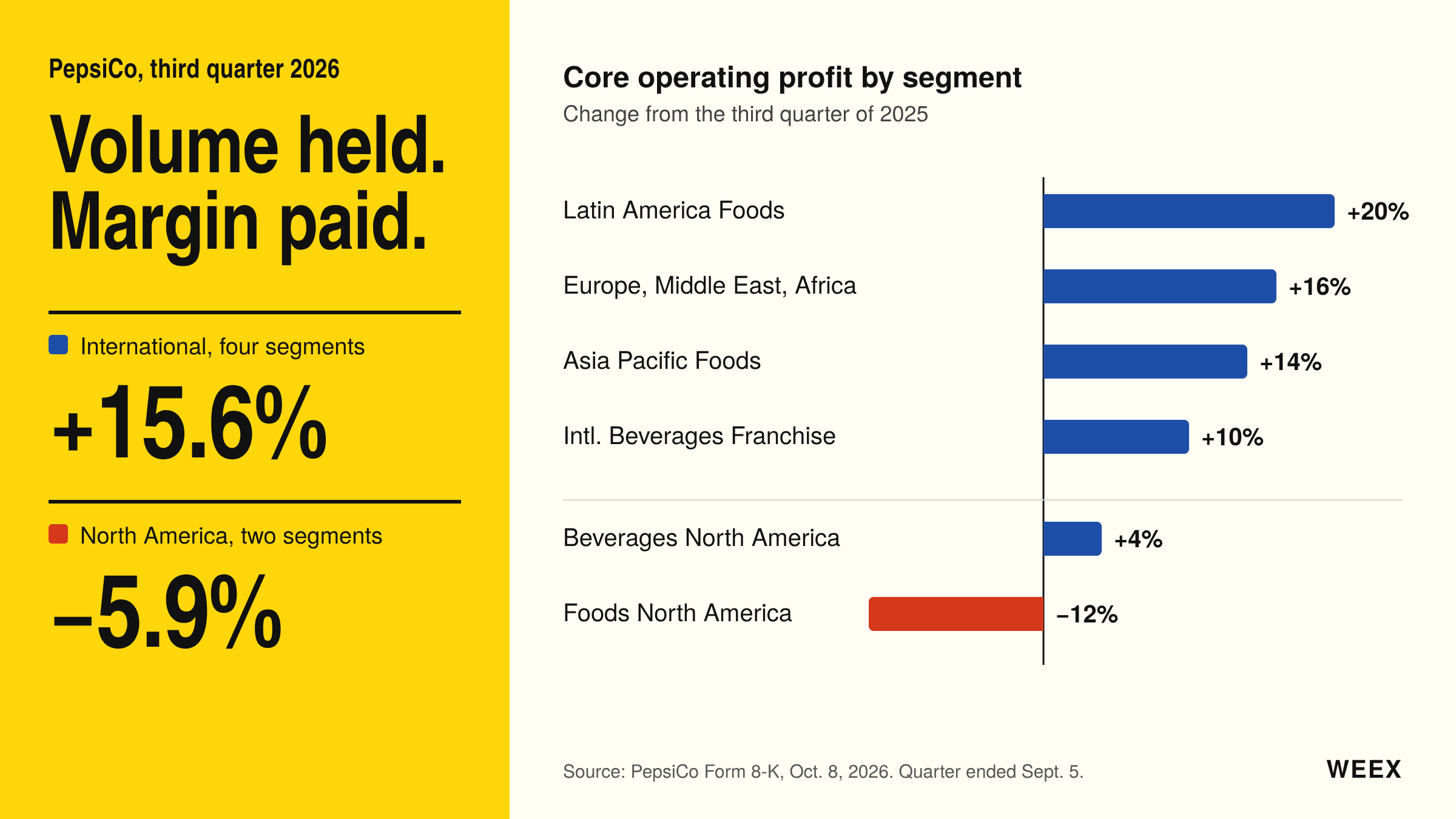
PEP Earnings: PepsiCo Beats Q3, Cuts Guidance on North America
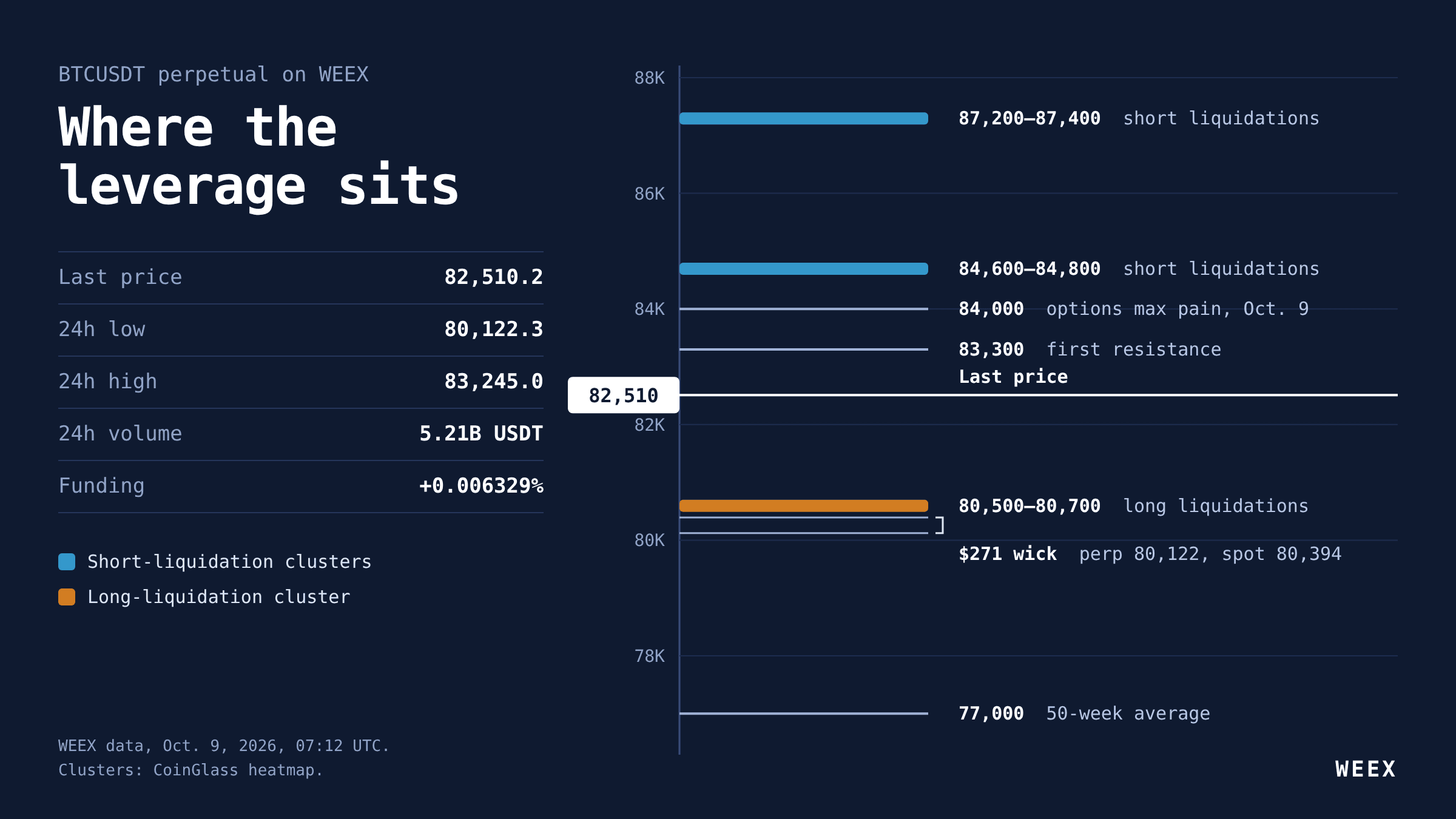
BTC Futures Analysis: $80K Held, but Longs Are Still Paying Up
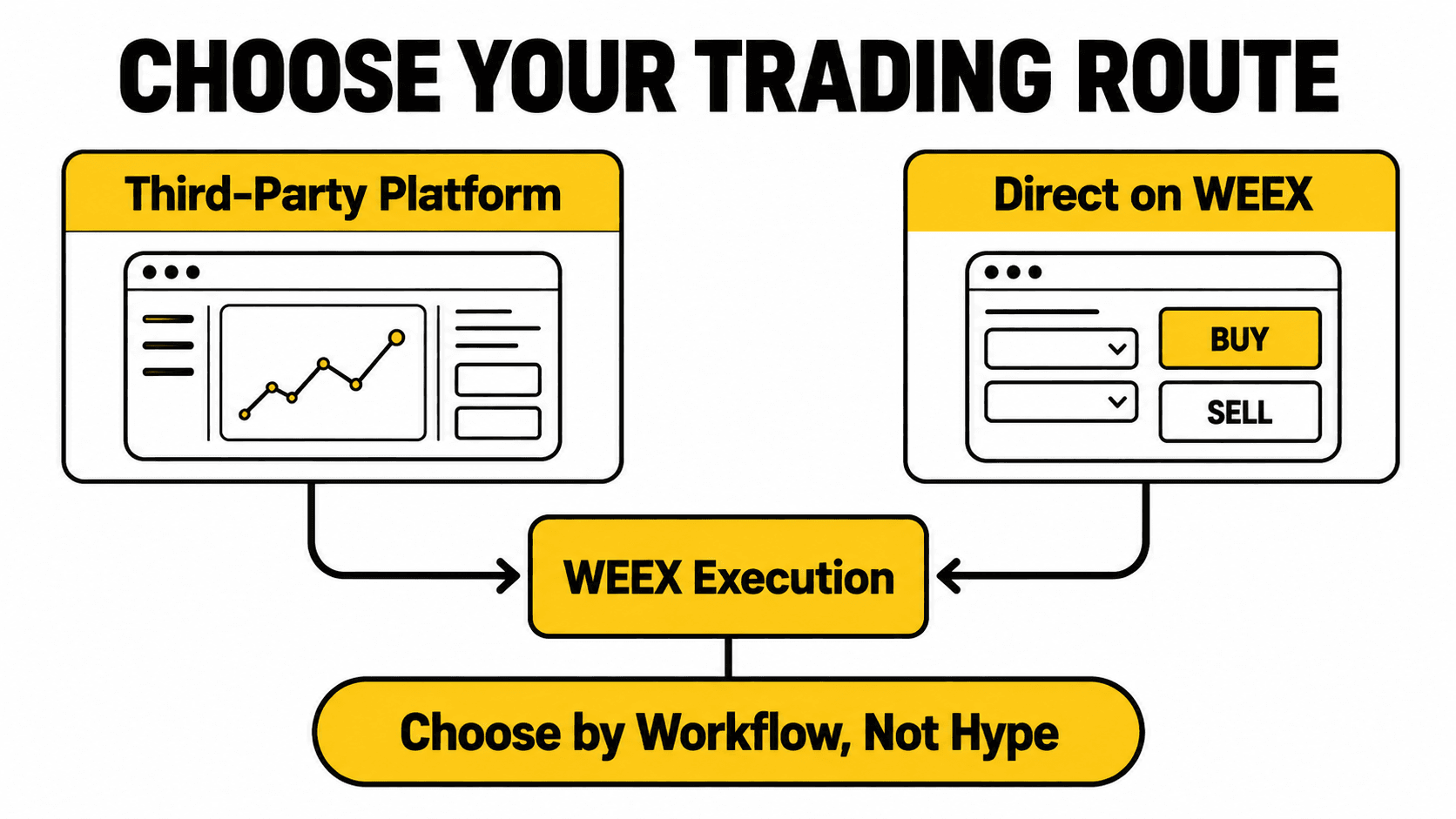
Third-Party Trading Platforms vs Direct WEEX Trading: Fees, Liquidity, Security, and Control
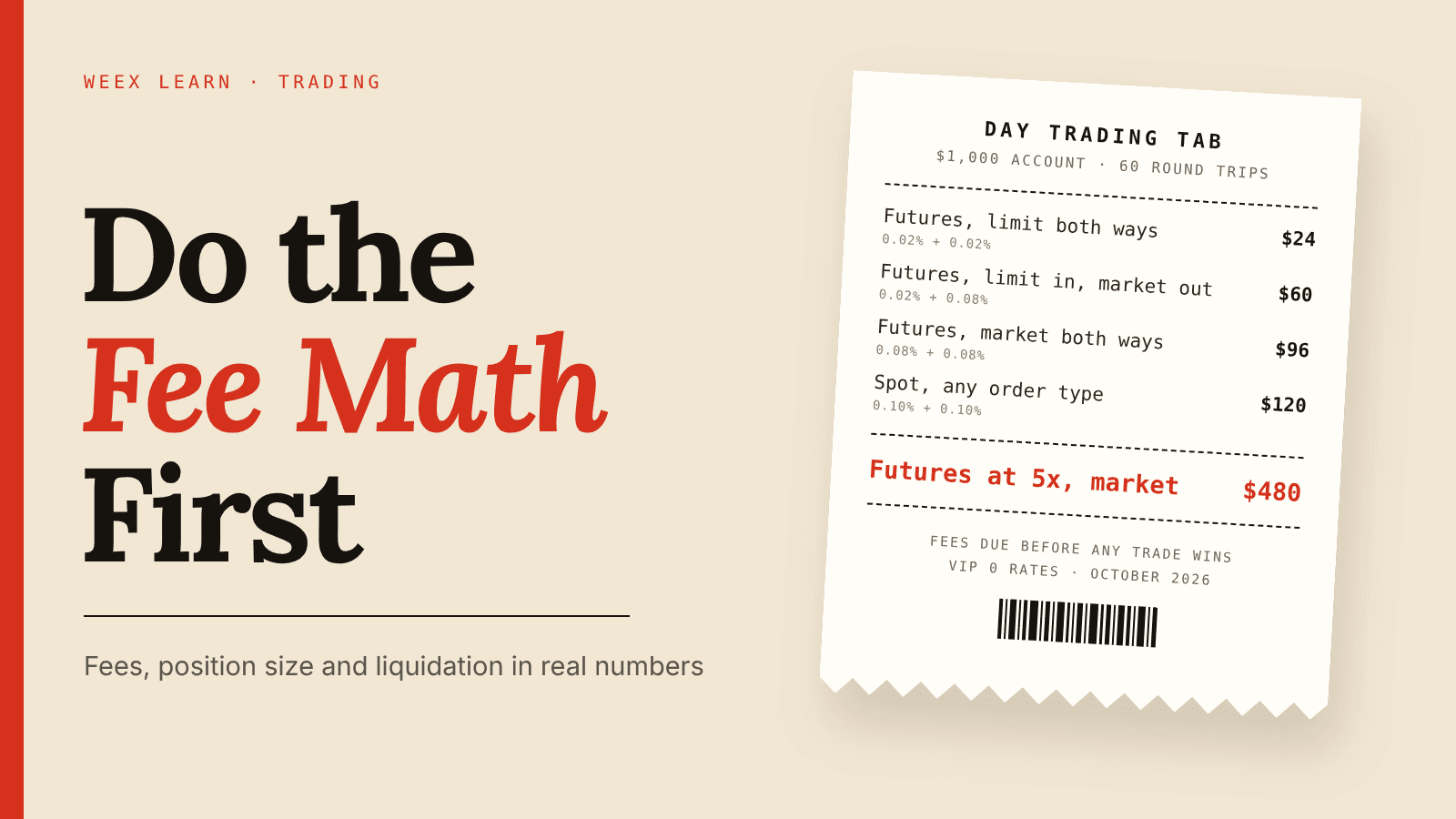
How to Day Trade Crypto for Beginners: Do the Fee Math First
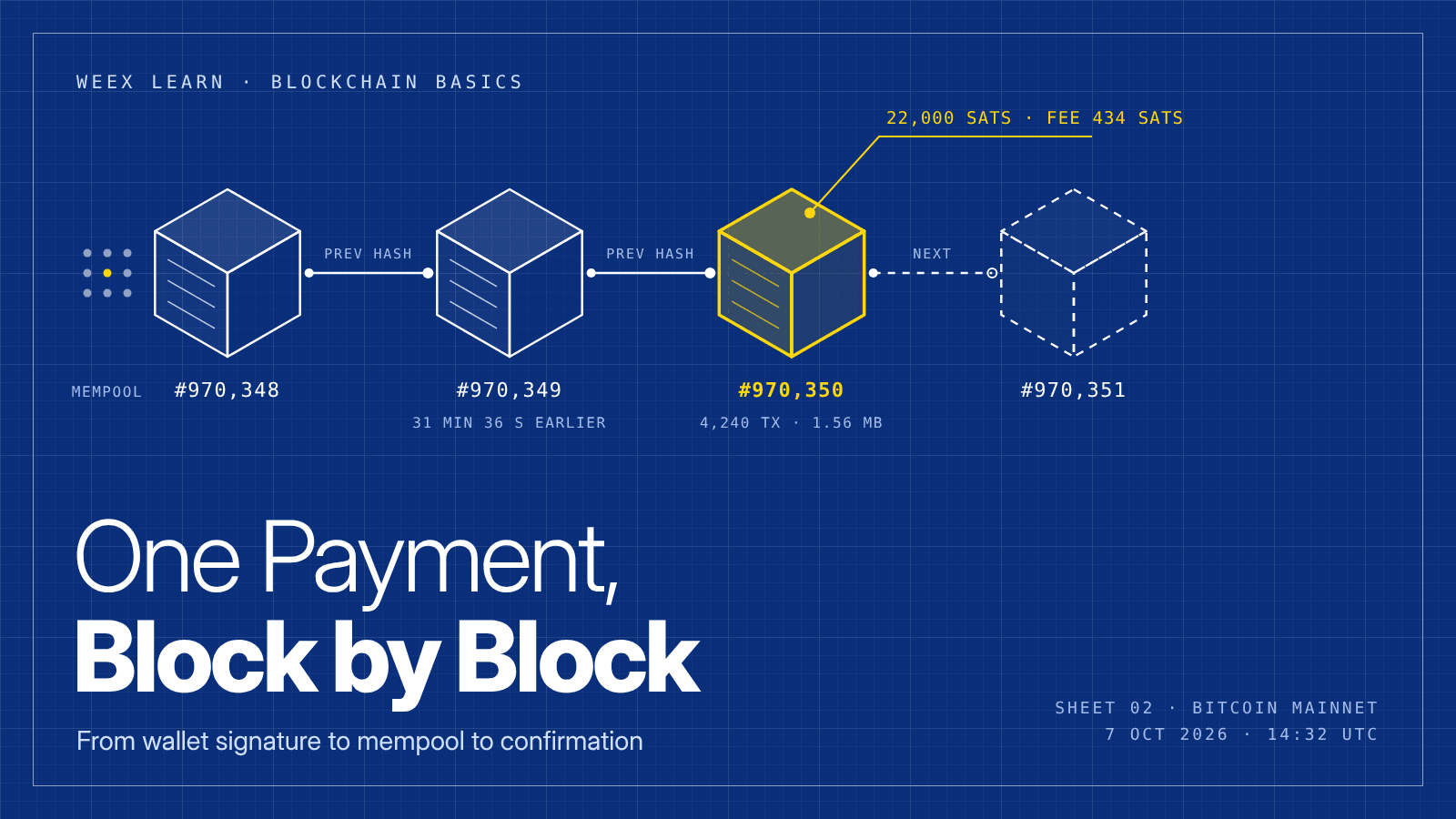
What Is Blockchain and How Does It Work? One Real Payment Traced
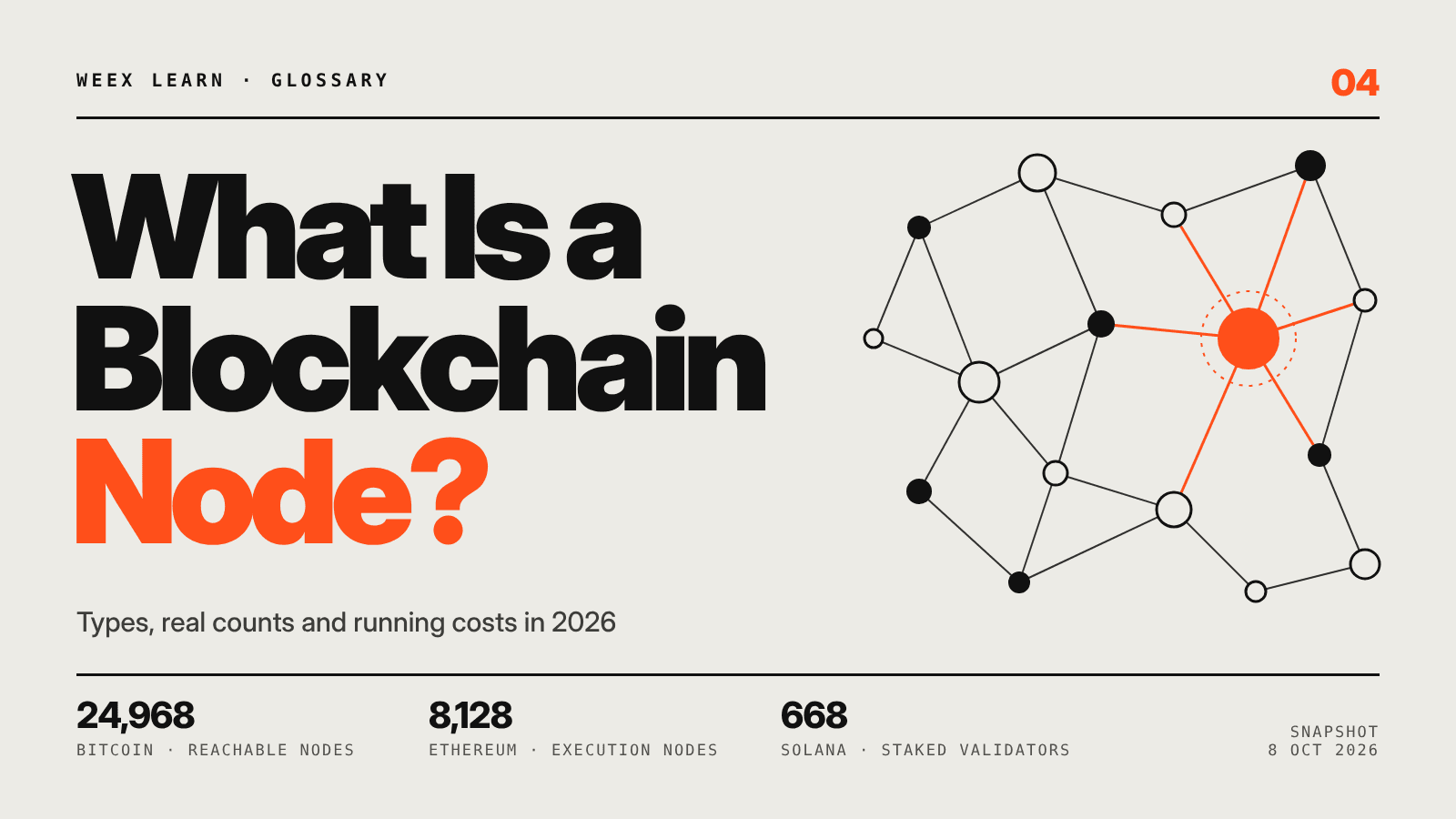
What Is a Blockchain Node? Types, 2026 Counts, and Real Costs
TSMC Stock Outlook Ahead of Q3 Earnings: Can AI Demand Push Shares Higher?
Taiwan Stock Market Nears 50,000: Can the TAIEX Break the Milestone After the Holiday?
How to Buy USDT in Thailand: Payment Methods, Fees and Transfer Checks
What Is RLC Crypto? How iExec (RLC) Powers Confidential Computing
Best Crypto Trading Strategies for Beginners: What to Know Before You Trade
PUMP Price Rally: Can Pump.fun Buybacks Outrun Monthly Unlocks?
Exchange Convert vs DEX Swap: What’s the Difference? Try Convert Crypto On WEEX!
Is XTruth Oil (XTO) a Stock or Crypto? How Its Oil Rewards Actually Work
What Is Pearl (PRL) Crypto and How Does Its Mining Work?
Stake ETH or Hold USDT on WEEX? The Price Move That Decides It
How Transparent Is a Crypto Exchange? Checking Proof of Reserves and Protection Funds
What Is Leverage Trading in Crypto? A Beginner’s Guide With Simple Examples


