
Ethereum 2030 Roadmap: Vitalik's Cryptographic World Computer

 Prefer us on Google


Vitalik Buterin's Ethereum 2030 roadmap, laid out in a September 27, 2026 essay titled "The cryptographic world computer," describes a network that no longer asks every computer to re-run every transaction. Instead, specialised machines would do the heavy work and publish short cryptographic proofs that anyone, down to a phone wallet, could check. Ethereum would still have a blockchain at its core, but it would be one part of a hybrid system built around proofs, data sampling and privacy. This explainer covers what the vision actually proposes, what would change for everyday users, which parts remain hard, and which nearer-term upgrades come first, with one caveat up front: this is Buterin's personal technical vision, not an upgrade specification approved by Ethereum's client teams.
What Vitalik Means by a "Cryptographic World Computer"
Ethereum has called itself a "world computer" since 2015. Today, that computer works by duplication: every full node downloads each block and re-executes every transaction to confirm the result. That is what makes Ethereum trustworthy, and it is also what caps how much it can do, because the network can only process what an ordinary node can re-run.
Buterin's essay argues that modern cryptography breaks that trade-off. A powerful machine can execute a large batch of transactions and produce a compact proof, a SNARK or STARK, showing it followed the rules. Checking that proof takes a tiny fraction of the work of redoing the computation. If data availability can also be verified by sampling small pieces rather than downloading everything, verification stops scaling with how much the network does.
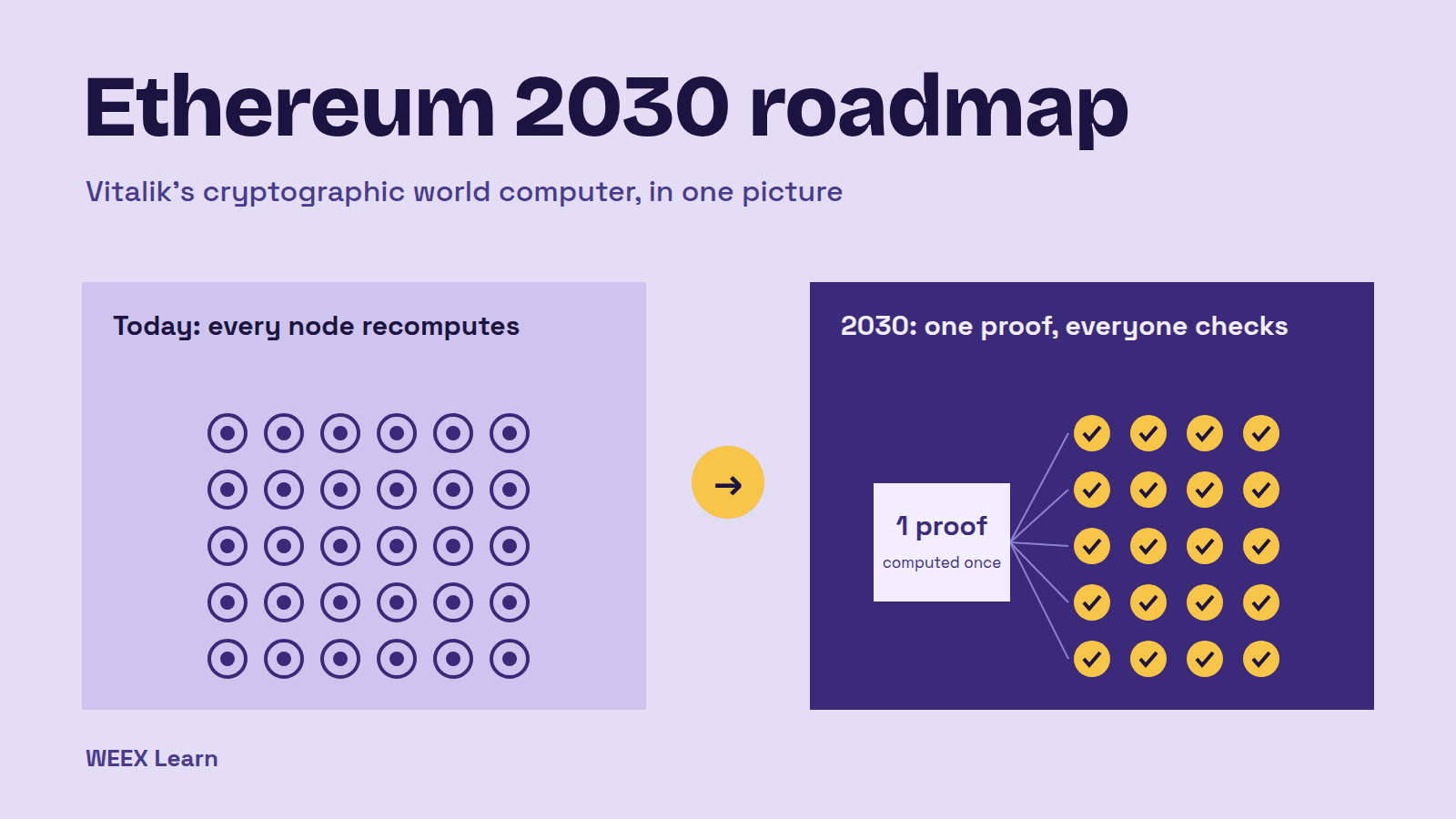
His resulting picture has three layers working together: blockchain consensus as the anchor, cryptographic privacy and verification as the glue, and powerful decentralized components running off the base chain whose output is only accepted if its proofs check out. The "world computer" stays, but the way you trust it changes from "everyone recomputes" to "everyone verifies."
Ethereum Today vs. the 2030 Vision
The clearest way to read the essay is as a set of before-and-after shifts:
- Verifying the chain. Today, full verification means re-executing everything, which in practice pushes most users toward trusting RPC providers. In 2030, nodes and even light wallets would check execution proofs and sample data, making independent verification cheap.
- Data. Today, PeerDAS, live since the Fusaka upgrade in December 2025, already lets nodes check blob data by sampling rather than downloading it all. The 2030 vision extends data-availability sampling into a central design principle.
- Computation. Today, rollups carry most scaling and post their own proofs or fraud-proof windows. In 2030, proofs of Ethereum's own base-layer execution would join them, using recursive STARKs so many proofs can be folded into one.
- Privacy. Today, Ethereum transfers are fully public by default. The roadmap points toward shielded ETH and ERC-20 transfers, private proving and research into computing over encrypted data.
- Security horizon. Buterin lists quantum-safe cryptography, automated formal verification, optimized proof-of-stake consensus and multi-party block construction as defining parts of the post-2027 environment.
For users, the practical translation is: cheaper verification, more capacity without higher hardware demands, privacy as a built-in option, and faster finality as a stated goal. None of it requires holders to move, swap or migrate ETH.
What Comes Before 2030: Glamsterdam and Hegotá
The 2030 vision sits at the end of a sequence of named upgrades, and the nearer ones are more useful for anyone watching Ethereum now.
- Glamsterdam is the next major upgrade in the pipeline and is scheduled for a Sepolia testnet run on October 6, 2026. Developers have flagged risks around its builder-auction changes, so treat any mainnet date as provisional.
- Hegotá, planned for 2027, is the fork Buterin frames as Ethereum's last "regular" upgrade. After it, he expects the roadmap to be defined less by conventional hard forks and more by deploying the cryptographic tools described above.
The ordering matters. The 2030 architecture depends on proof systems, data sampling and consensus changes landing one by one, and each step goes through the usual testnet cycles, client implementations and community debate. Ethereum Foundation roadmap materials describe these timelines as targets, not guarantees.
-- Price
What's Still Unsolved in the 2030 Roadmap
Buterin is explicit that the vision is hard, and the open problems are worth knowing because they decide whether it lands on time.
- Proof generation. Producing proofs quickly and safely for Ethereum-scale execution is still difficult and expensive. If only a few operators can afford to run provers, trust concentrates in them.
- State management. Buterin names managing and parallelising access to very large state, the growing record of every account and contract, as possibly the harder system-level problem. Proofs do not make that state smaller.
- Centralized sequencers. Most rollups still rely on a single sequencer to order transactions. A proof can show a batch was executed correctly, but not that it was ordered fairly.
- Who verifies the verifiers. Several analysts have raised the same question: "Ethereum verifies proofs" only helps if the proof systems are correct and enough independent parties check them. That is why formal verification sits on Buterin's list.
The better reading is that the essay is a map of where current work is heading, not a delivery schedule. Several of its pieces already exist in early form; the integration is the hard part.
What the Ethereum 2030 Roadmap Means for ETH Holders
For holders, the roadmap is a long-term narrative, not a near-term catalyst. ETH opened around $2,688 on September 28, 2026, still roughly 45% below its all-time high of $4,953.73 from August 24, 2025, and the essay produced no meaningful price reaction. Roadmap essays tend to shape sentiment over years, while prices over weeks are driven by flows, macro data and risk appetite.
Three practical points follow:
- Nothing to do. There is no token swap, migration or claim connected to this vision. Any site offering an "ETH 2030 upgrade" or asking for your seed phrase is a scam.
- Wallets are where you will notice it. If light verification arrives as described, your wallet could check the chain itself instead of trusting a remote server. Choosing a well-maintained wallet matters more over time; see our best crypto wallet 2026 guide for how current options compare.
- Separate thesis from timing. Believing in the long-term architecture is a different decision from buying ahead of an upgrade. Upgrade dates slip, and "sell the news" reactions around forks are common.
Ethereum 2030: A Direction, Not a Deadline
The Ethereum 2030 roadmap reframes what Ethereum is trying to be: a system where trust comes from checkable proofs rather than universal repetition. That could mean more capacity, cheaper self-verification and native privacy without raising the bar for running a node. It also leaves hard problems open, from prover concentration to state growth, and it rests on a chain of upgrades starting with Glamsterdam and Hegotá. Read it as the clearest statement yet of Ethereum's direction, and watch the near-term forks for evidence that the direction is holding.
FAQ
1. What is the "cryptographic world computer"?
It is Vitalik Buterin's term, from a September 27, 2026 essay, for an Ethereum where powerful machines do heavy computation and publish compact proofs, and everyone else verifies those proofs instead of re-running every transaction.
2. Is the Ethereum 2030 roadmap an official upgrade?
No. It is Buterin's personal technical vision. Individual upgrades still need to be specified, implemented by client teams and agreed through Ethereum's normal governance process.
3. What is the Hegotá upgrade?
Hegotá is an Ethereum upgrade planned for 2027. Buterin describes it as possibly the last "regular" hard fork before the roadmap shifts toward deploying proof-based verification and related cryptography.
4. Do ETH holders need to do anything?
No. Nothing in the roadmap requires moving, swapping or migrating ETH. Treat any message offering an upgrade-related token swap or asking for your recovery phrase as a scam.
Risk Warning
Crypto assets are highly volatile and may result in partial or total loss. Long-term protocol roadmaps are subject to change, delay or abandonment, and technical upgrades can introduce bugs or temporary instability. Price reactions to upgrades are unpredictable, and trading ahead of expected upgrade dates carries timing risk. New cryptographic systems, including zero-knowledge proof systems, may contain undiscovered flaws. Beware of scams that exploit upgrade news. This article reflects public information as of September 29, 2026 and is not financial advice.
This content is provided for general informational purposes only and doesn't constitute financial, investment, legal, or tax advice. Any events, rewards, online promotions, or related information mentioned herein should not be considered a recommendation, solicitation, or invitation to purchase, sell, trade, or otherwise deal in any crypto assets. Crypto assets are highly volatile and may result in loss. The availability of WEEX services, products, and related events may vary by region. You are responsible for ensuring that your participation is in accordance with applicable local laws and regulations.
You may also like

WEEX Strategy Trading: 4 Ways to Automate Your Crypto Trades
What Is Pons Crypto (PONS), and How to Trade PONS on WEEX?
Pi Network vs Other Mobile Mining Projects: What's the Difference
Donald Trump Oil Stock Investments: 9 Names, 6 Tradable Now
Stealth XST Coin: The $1,806 Daily Volume Behind a $2.3M Cap
What Happened to Raini Studios Token? RST After the Game Shutdown
Why Is Raini Studios Token (RST) Up Today Despite Low Trading Volume?
Before You Buy CyberLeek: You Should Know CYBERLEEK Token Risks First
Crude Oil Price Holds Its Iran Premium as Hormuz Stays Shut
犇犇 Coin Explained: How Unitree Robot Dog Meme Is Going Viral
Eiffage Stock (FGR): The Two Engines, the Motorway Concession End Dates and the 26 August 2026 Half-Year Results
SPCX Stock Price and the $116 Billion Lockup Expiry Tomorrow: What Actually Happens on August 6
South Korea Apologizes for SK Hynix Leveraged ETFs: What It Means for SKHA SKHN Holders
GOOG Stock After Q2 Earnings: Why a Record EPS Sank 7%

STABLE Crypto Airdrop Guide: How to Claim 50,000 USDT Rewards on WEEX
USDC Use Cases Explained: Payments, DeFi, Cross-Border Transfers, and Key Risks
What Is a Bagholder?
2Z Token Unlock on October 2: What 1.66B DoubleZero Tokens Mean

Solana Alpenglow Mainnet Date: Why Sept 28 Wasn't Launch Day
UNI Futures: How to Set Take-Profit and Stop-Loss After a 2x Run
QNT Futures: Funding Rate and Long vs Short After a 4x Rally
BlackRock and Ondo's Tokenized Portfolios vs Traditional ETFs: What Actually Changes
WEEX Grid Trading: When a Grid Strategy Works and When It Fails
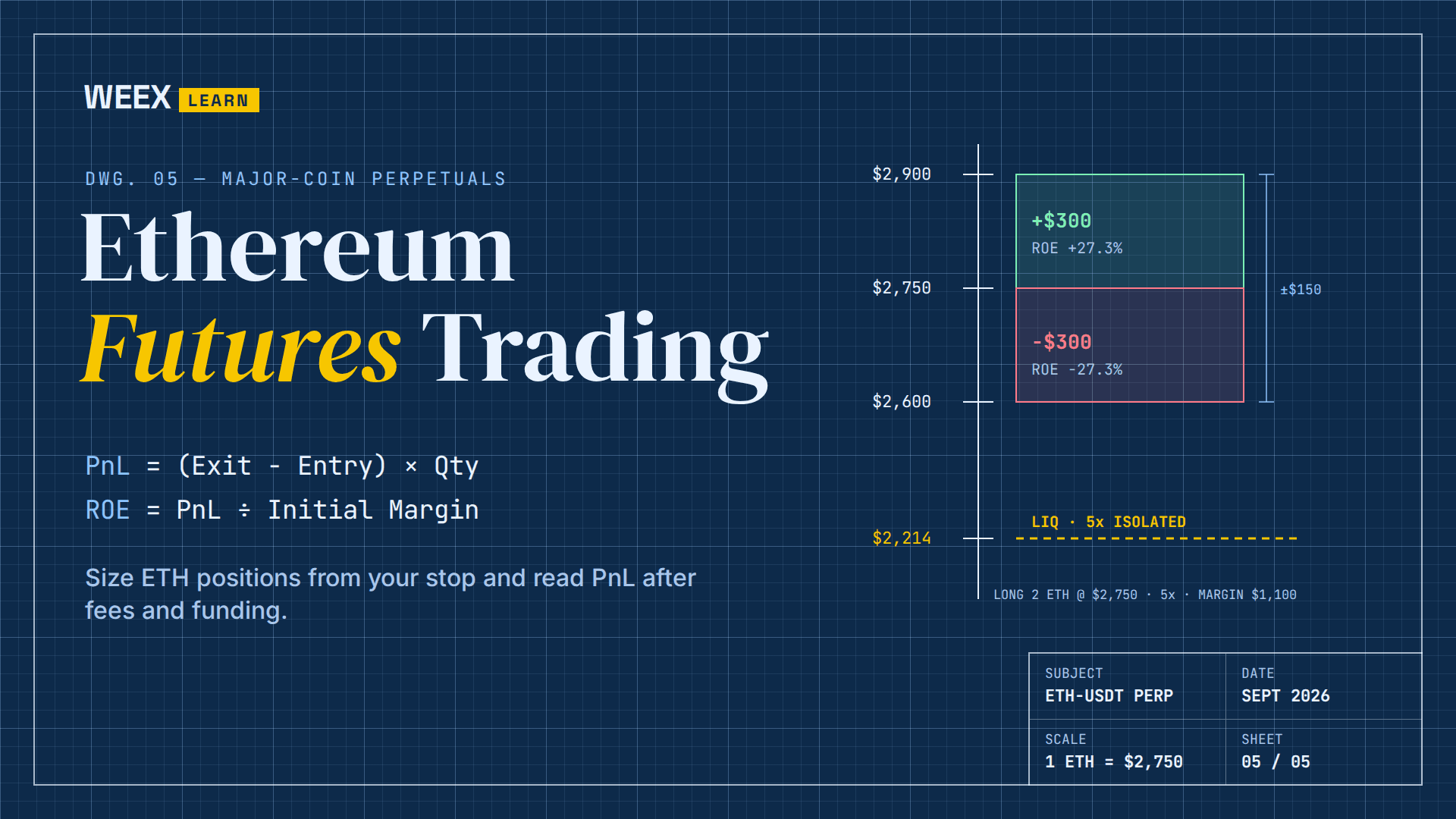
Ethereum Futures Trading: How to Size ETH Positions and Read PnL
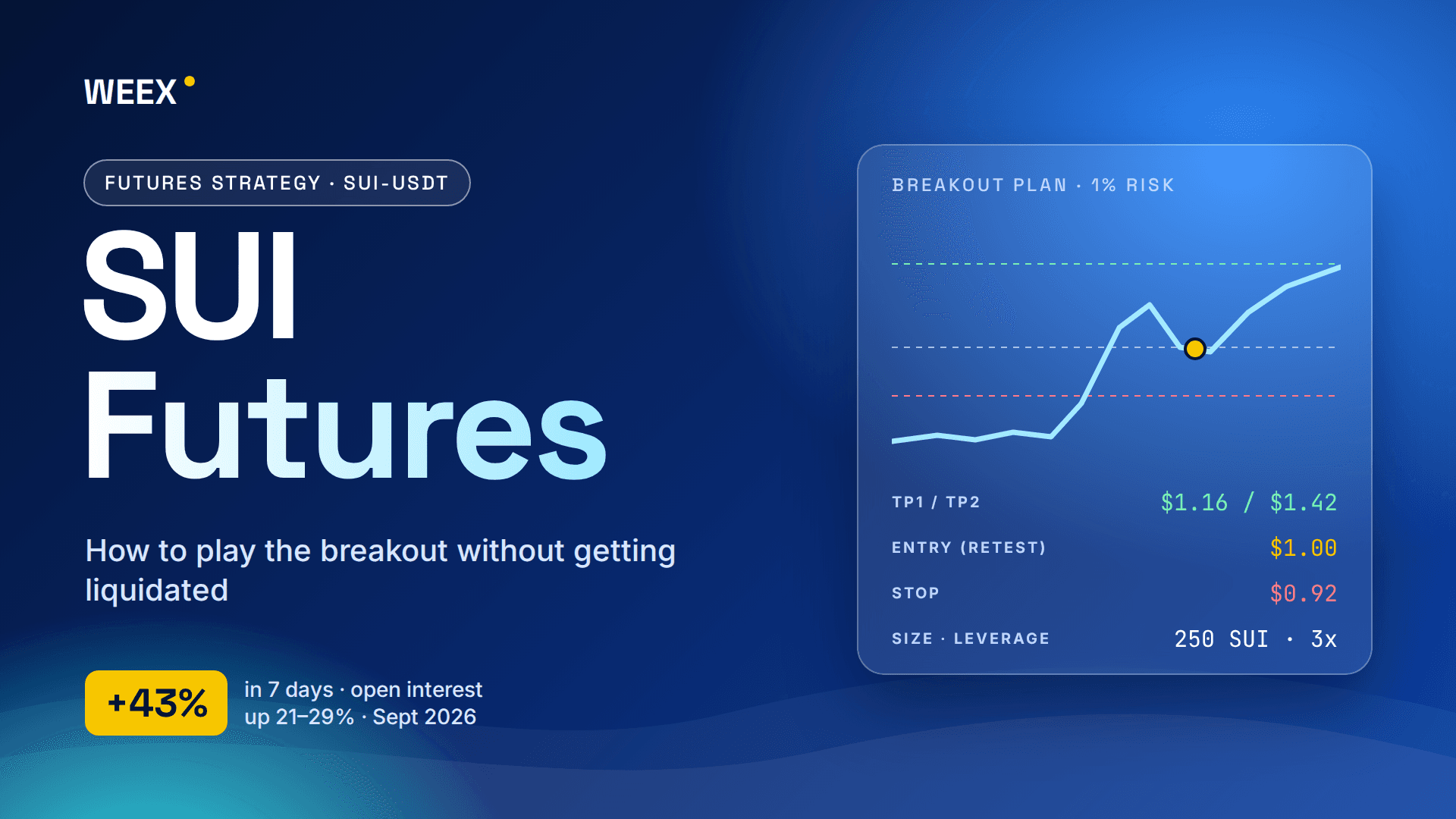
SUI Futures Trading: How to Play the Breakout Without Liquidation
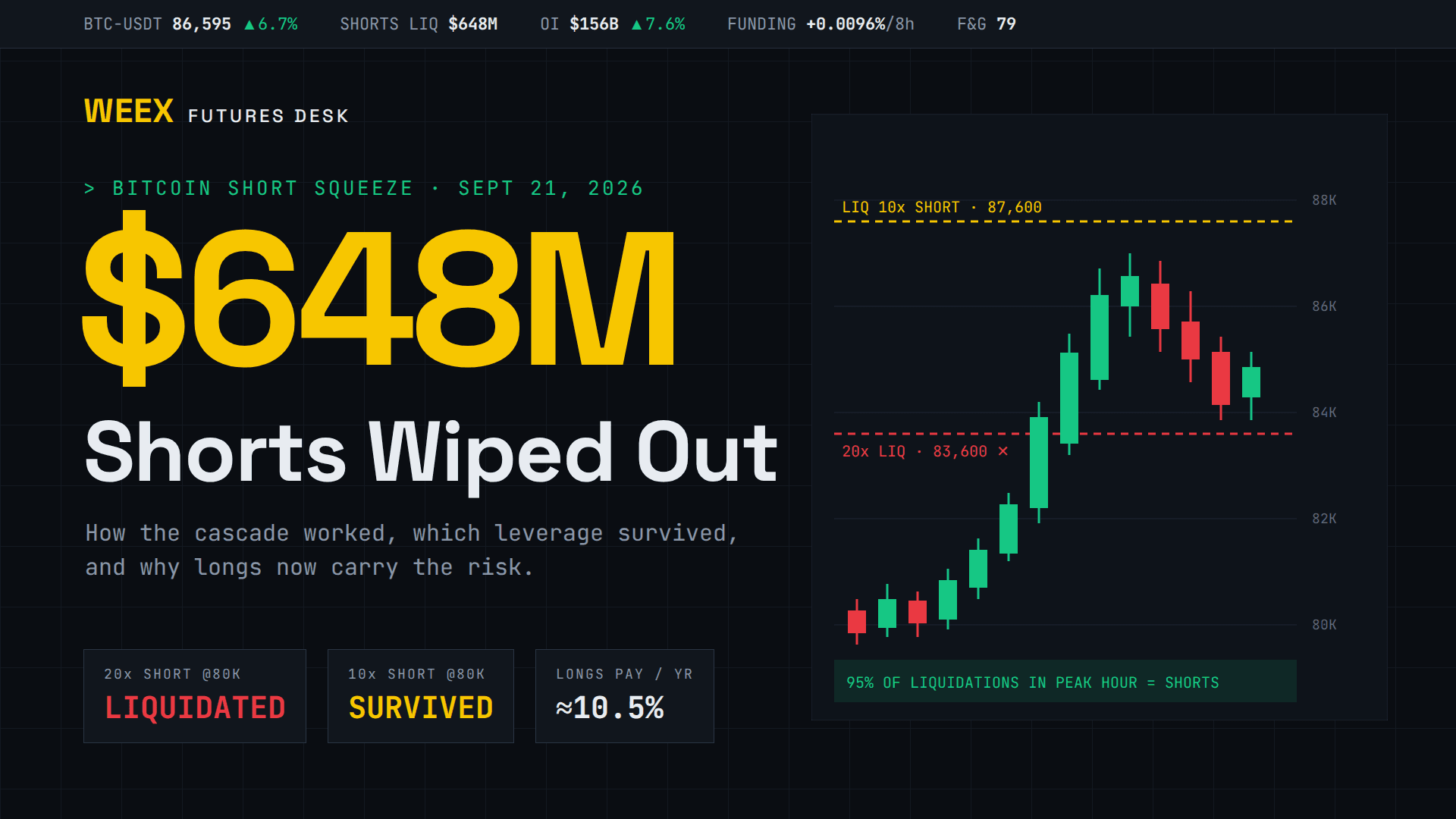
Bitcoin Short Squeeze Explained: Inside the $648M Sept 21 Wipeout
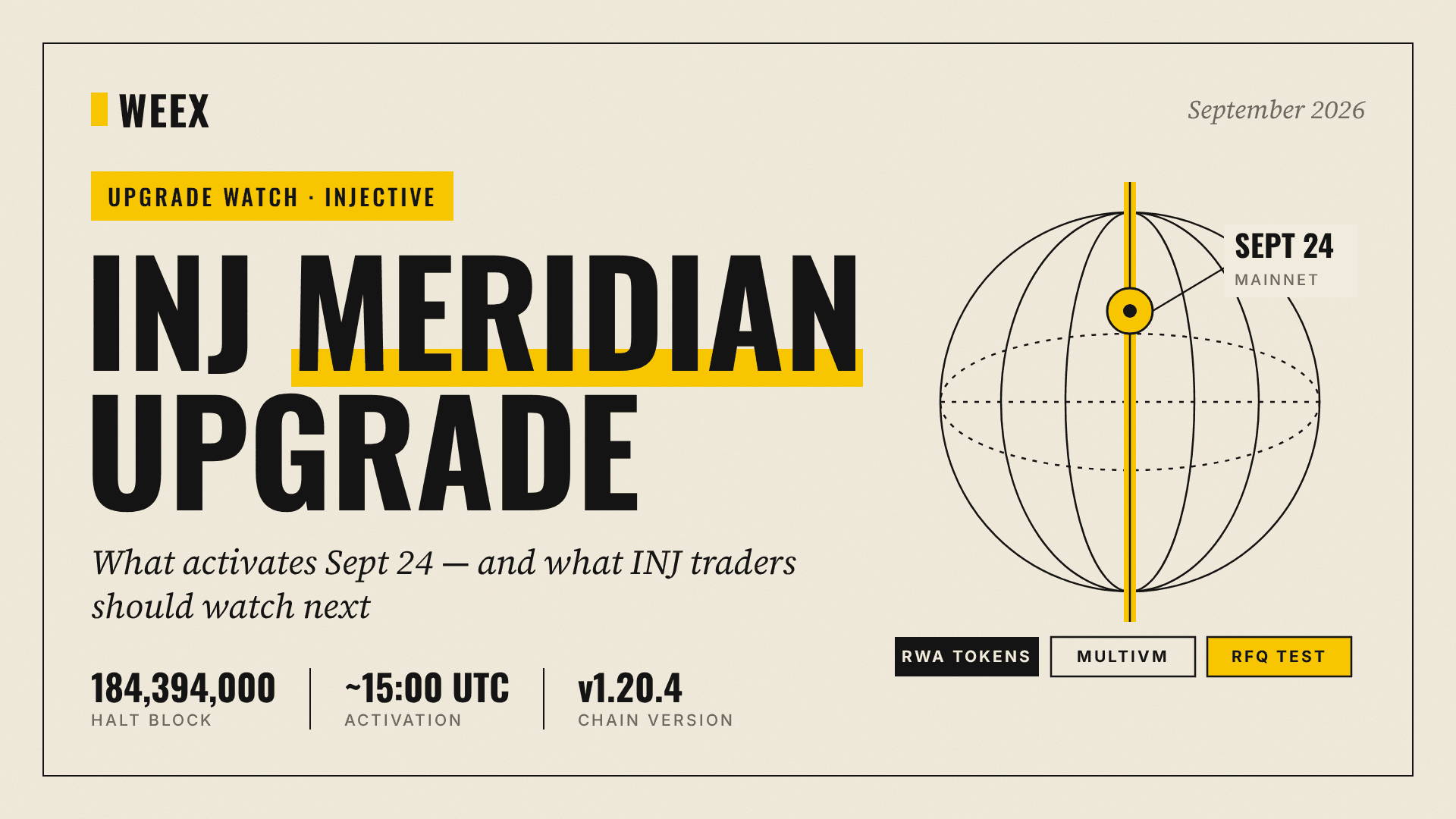
INJ Meridian Upgrade: What Activates Sept 24 and What to Watch
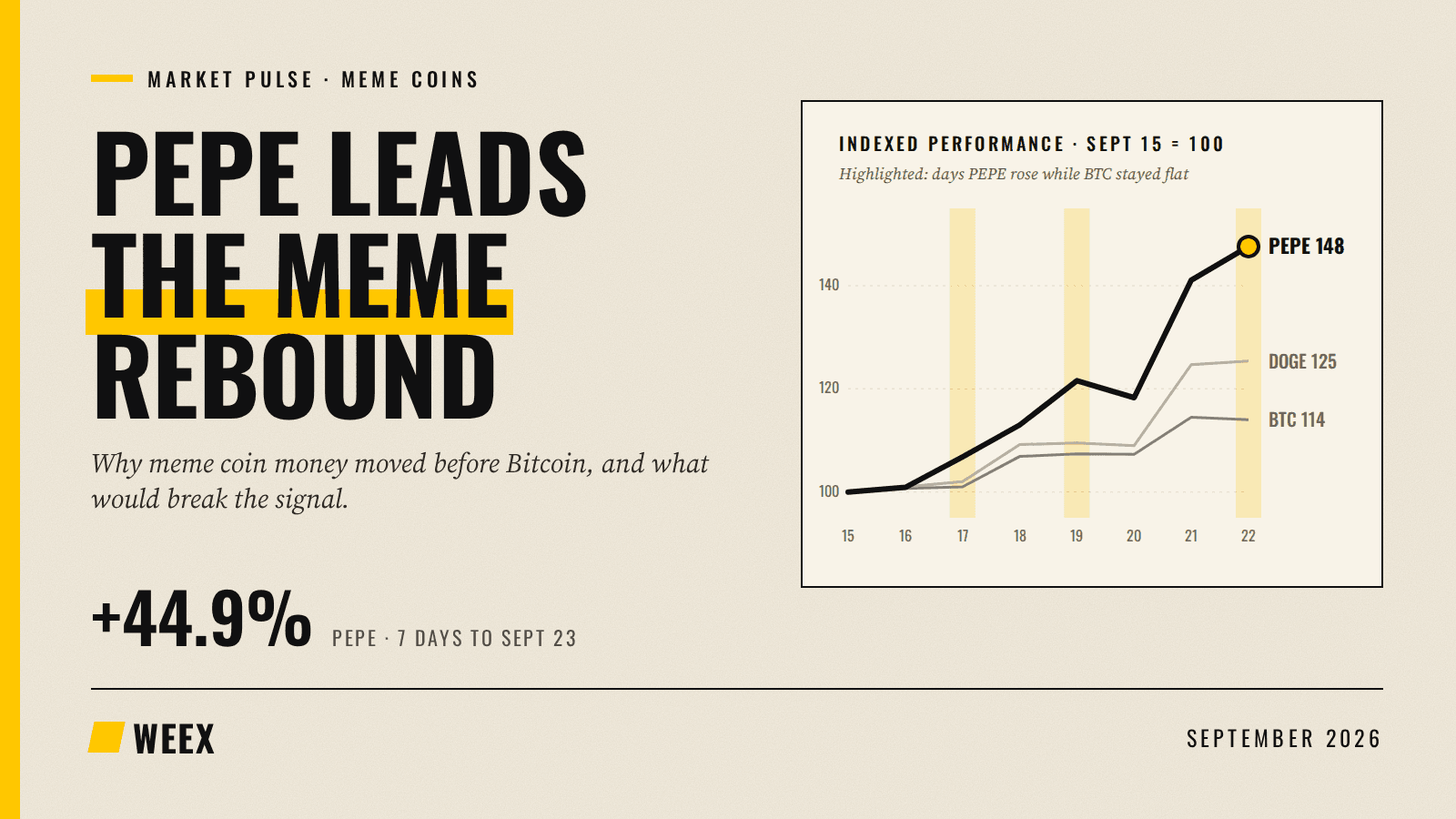
Why Is PEPE Up Today? The Meme Coin Liquidity Signal Explained
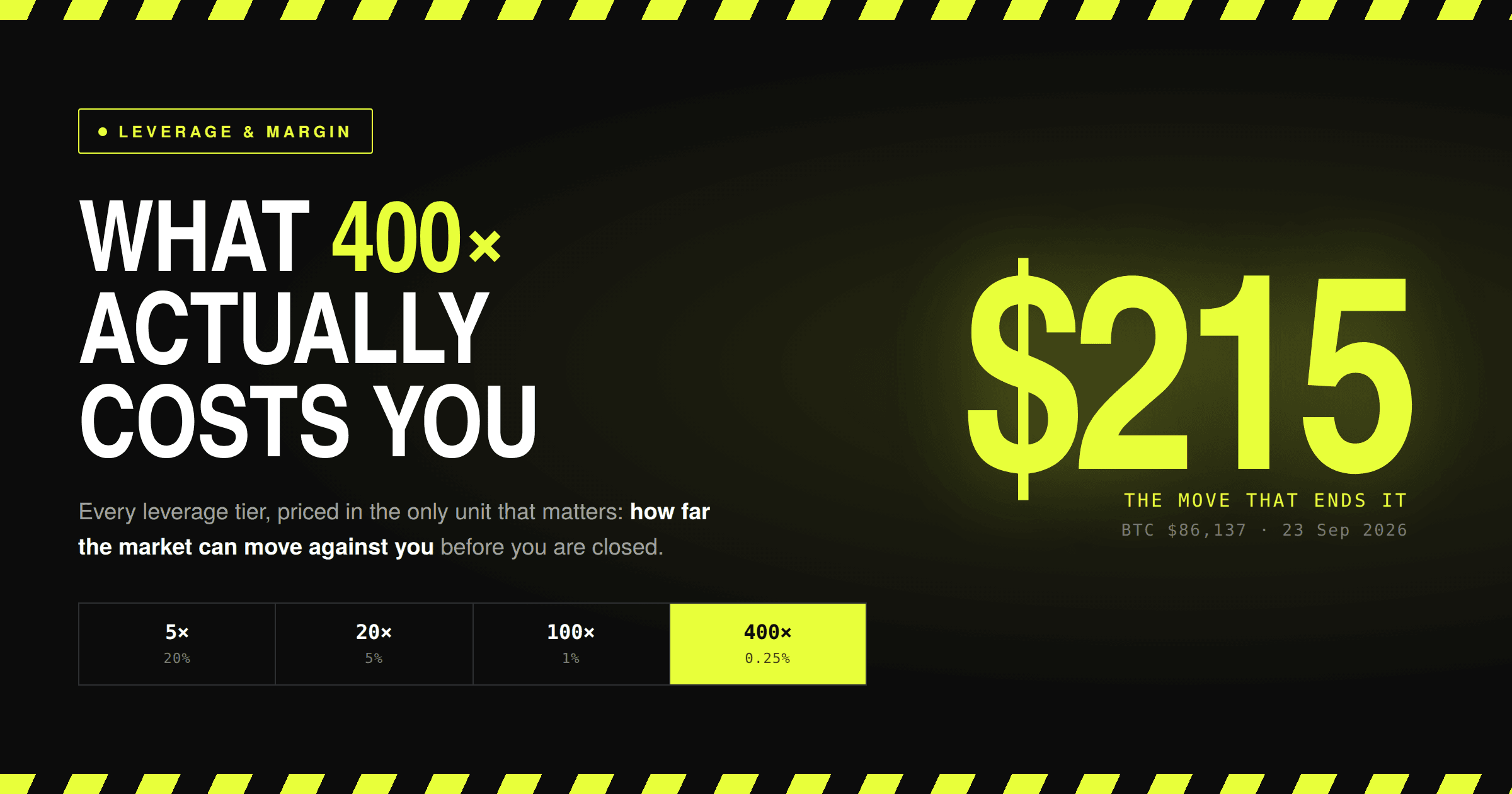
Crypto Leverage Trading: What 400x Leverage Actually Costs You
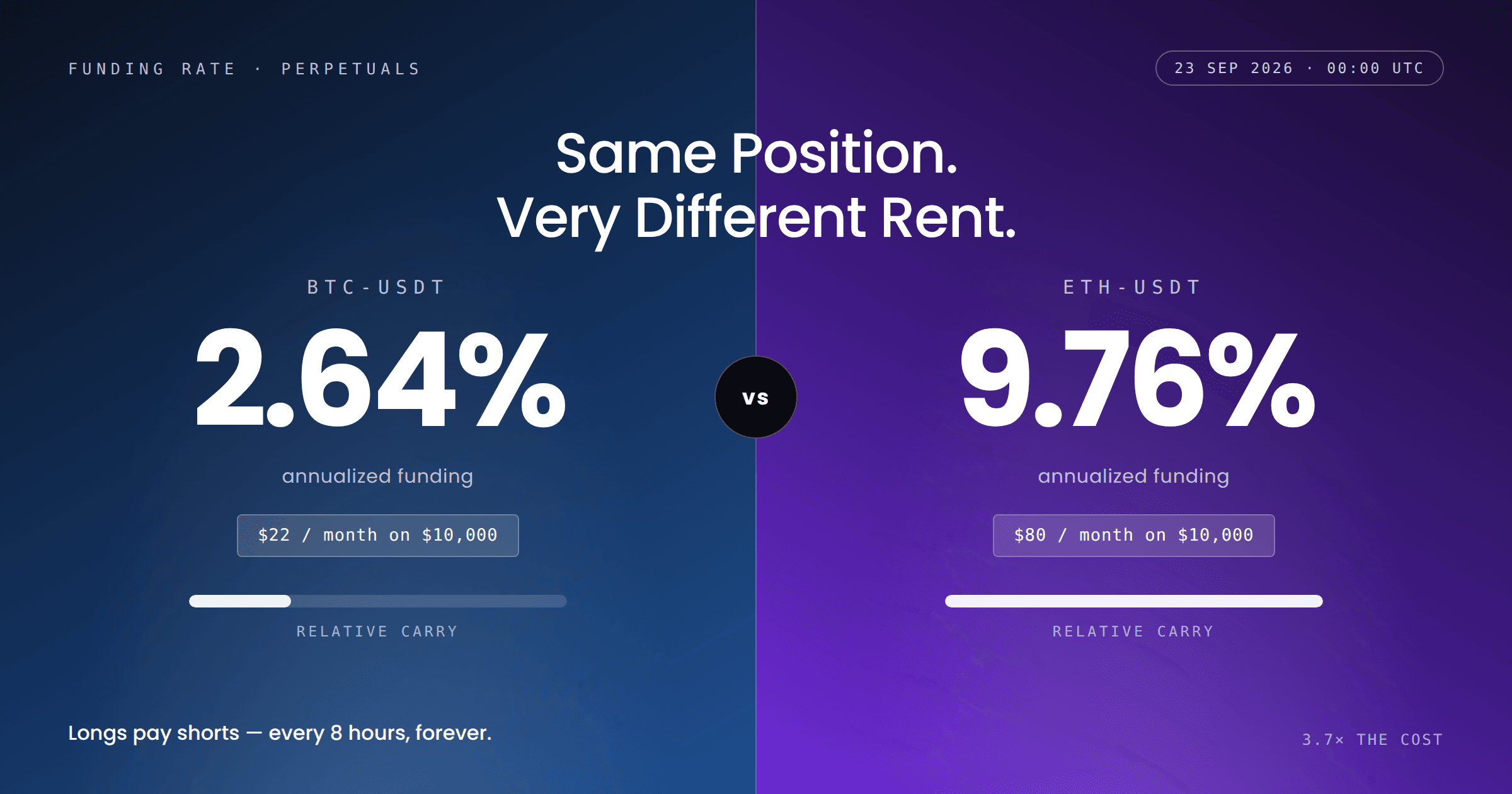
Funding Rate Crypto: What BTC and ETH Are Paying Right Now
WEEX Strategy Trading: 4 Ways to Automate Your Crypto Trades
What Is Pons Crypto (PONS), and How to Trade PONS on WEEX?
Pi Network vs Other Mobile Mining Projects: What's the Difference
Donald Trump Oil Stock Investments: 9 Names, 6 Tradable Now
Stealth XST Coin: The $1,806 Daily Volume Behind a $2.3M Cap
What Happened to Raini Studios Token? RST After the Game Shutdown
Contents
Popular coins
Latest articles




